
Cape Canaveral Air Force Station
A major U.S. launch site on Florida’s Atlantic coast, historically known as Cape Canaveral Air Force Station and now part of U.S. Space Force operations for military, scientific and commercial launches.
Overview
The Cape Canaveral Air Force Station (CCAFS) is the historic name for the United States launch complex located on the Atlantic coast of Florida. In recent years the installation’s mission and organization have been transferred to the U.S. military space service and commonly referenced as Cape Canaveral Space Force Station. The facility sits on the Cape Canaveral peninsula and shares a coastal launch corridor with nearby facilities; it is adjacent to the Kennedy Space Center on Merritt Island. The site supports a mix of military, civil and commercial launch activity and includes long runways, telemetry sites and multiple launch complexes to serve different rocket types. For official information about the station’s service and structure see U.S. Space Force.
Image gallery
10 Images



Facilities and layout
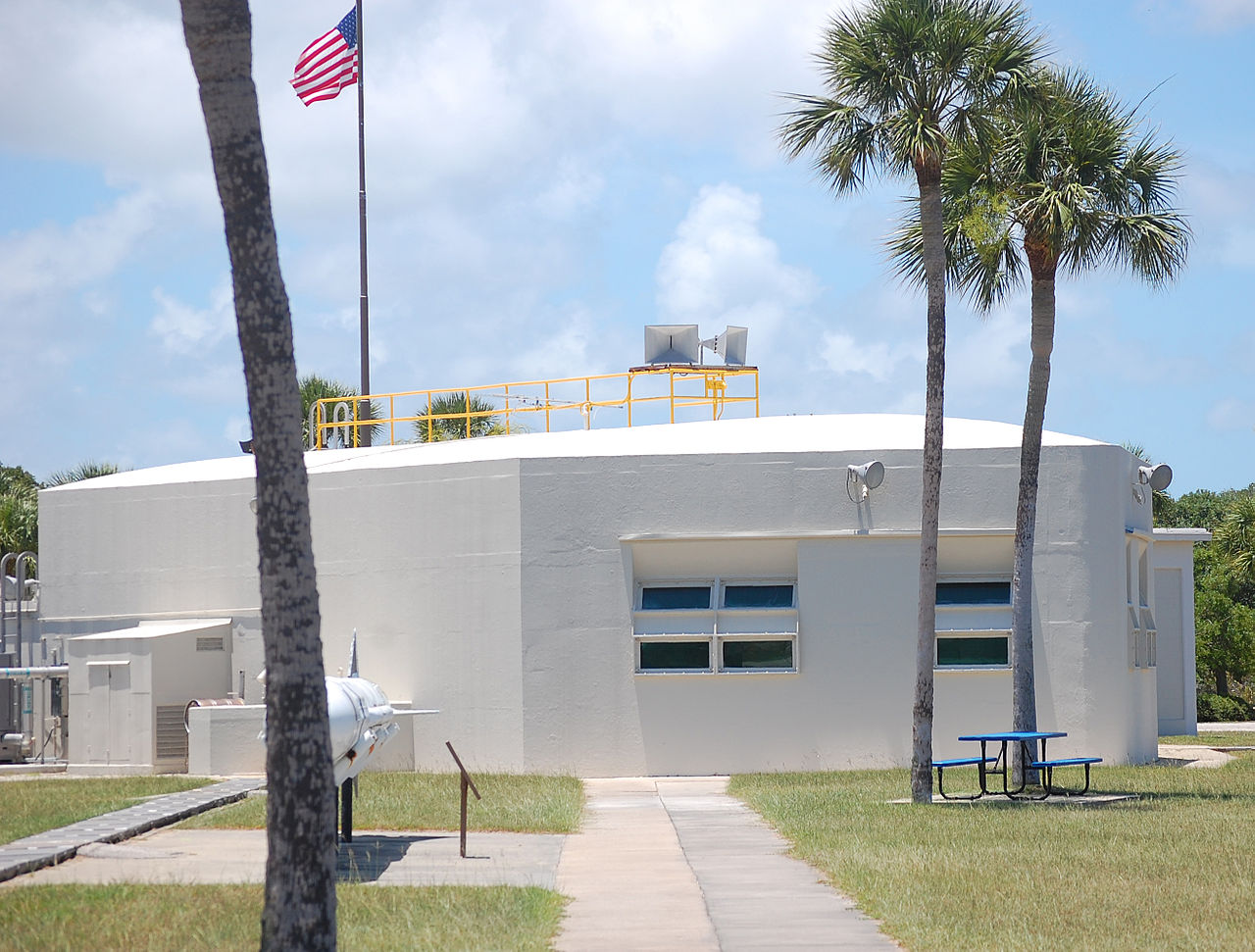
Cape Canaveral comprises a cluster of launch pads, vehicle integration and fueling areas, tracking and telemetry installations, and a hardened runway for large military transport aircraft. The runway, often called the Cape Canaveral Skid Strip, accommodates outsized cargo and special operations traffic arriving by air. Launch complexes vary by era and purpose: some pads are optimized for vertical takeoff vehicles, others for mobile launchers and some retain historical pad structures from early missile testing. Support facilities include range safety, ground systems, and propellant storage, all oriented to take advantage of the wide downrange safety corridor over the Atlantic.
History and development
The cape’s role as a launch site dates from the early Cold War when the U.S. military established coastal ranges for testing rockets and ballistic missiles. Over the decades it evolved from a missile test range into a primary launch hub for the American space program. Throughout the space age the site hosted early satellite and missile launches, suborbital and orbital test flights, and many unmanned science and reconnaissance missions. Its proximity to the equator-friendly Atlantic trajectory and to Florida’s east coast made it a preferred location for missions that require eastward launches over open water.
Launches, programs and examples
Cape Canaveral has supported a wide spectrum of missions, from sounding rockets and military test flights to commercial satellite deliveries and interplanetary probes. Examples of the types of activity that have used the station include:
- Early ballistic missile testing and development programs that founded the U.S. launch capability.
- Unmanned scientific and communications satellite launches serving civilian and military needs.
- Crewed-space-era operations where some early human spaceflights used Cape Canaveral launch complexes while larger crewed programs later used Kennedy Space Center facilities across the lagoon.
- Modern commercial launches operated by private launch providers that lease and refurbish historic pads for new vehicles.
Administration and operations
Historically the installation was operated by the U.S. Air Force and managed through regional space wings and range units. After the creation of a dedicated U.S. space military service, command and unit designations were reorganized to reflect new responsibilities while preserving the station’s range services and launch support functions. The geographic closeness of the Cape to the Kennedy Space Center encourages coordination between military, civil and commercial operators for scheduling, range safety and shared infrastructure.
Significance and notable facts
Cape Canaveral remains one of the United States’ most important and enduring launch sites. It is notable for its long operational history, diverse mix of active and historic launch complexes, and for being part of the eastern Florida space corridor that includes Kennedy Space Center. The station’s coastal location in Cape Canaveral, Florida provides the necessary downrange safety area for routine eastward orbital launches, which is a key reason the site continues to be used for military, scientific and commercial missions.
Related articles
Author
AlegsaOnline.com Cape Canaveral Air Force Station Leandro Alegsa
URL: https://en.alegsaonline.com/art/16695
Sources
- nrhp.focus.nps.gov : "National Register Information System"
- patrick.af.mil : "Patrick Air Force Base – FAQ Topic" · web.archive.org
- flheritage.com : "Cape Canaveral Air Force Station"
- tps.cr.nps.gov : Cape Canaveral Air Force Station · web.archive.org
- tps.cr.nps.gov : National Historic Landmarks Program