
Canet gun: late 19th‑century artillery by Gustave Canet
Overview of the Canet gun family by Gustave Canet for Schneider et Cie: design features, roles in naval and coastal defence, international marketing and their place in late 19th‑century artillery development.
Overview
The Canet guns were a family of breech‑loading, rifled artillery pieces designed in the late 19th century by French engineer Gustave Canet (1846–1913) for the industrial firm Schneider et Cie. They formed part of the transition from older muzzle‑loading ordnance to modern steel, rifled, breech mechanisms and more effective mountings. Produced in a range of sizes and intended for naval, fortress and coastal use, Canet designs were widely marketed during a period of rapid naval rearmament and coastal fortification.
Image gallery
10 Images




Design and characteristics
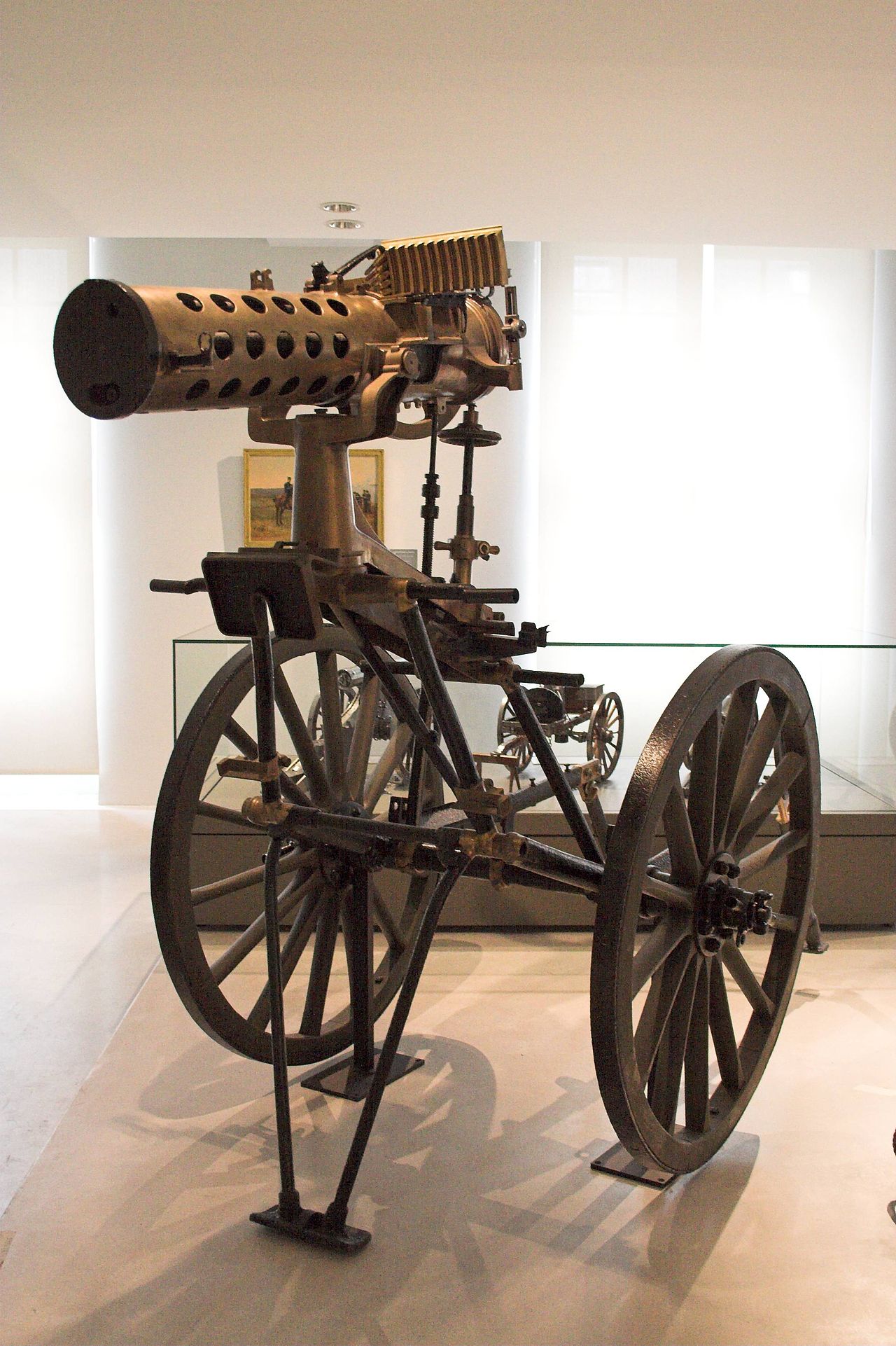
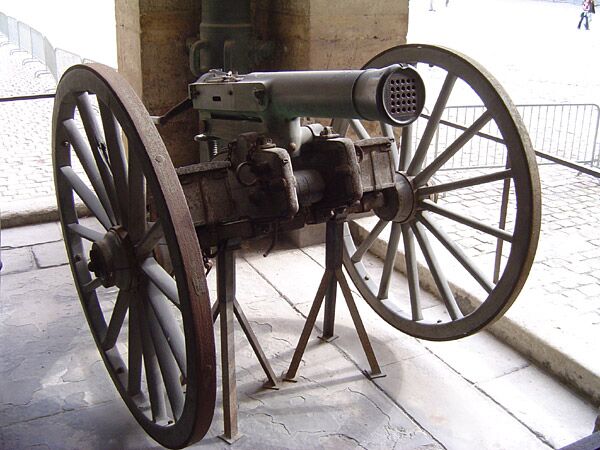
Canet guns employed the contemporary advances in metallurgy and machining: forged or built‑up steel barrels, rifled bores and screw or interrupted‑screw breechblocks rather than muzzleloaders. Ammunition types of the era — including explosive shells and shell‑cartridge propellants — were compatible with these weapons. The designer and his firm offered variants from light quick‑firing calibres suitable for small warships and torpedo‑boat defence up to heavier pieces intended for cruiser or coastal battery use.
Mountings and firing mechanisms
Mounting arrangements varied according to role. Shipboard installations used casemate, barbette or turret mountings while shore emplacements used fixed mounts and traversing carriages. Recoil arrangements evolved during the period; earlier mounts relied on simple friction or sliding systems while later quick‑fire adaptations incorporated improved recoil absorption that helped increase sustained rates of fire and accuracy by returning the barrel to battery more rapidly.
Production, export and service
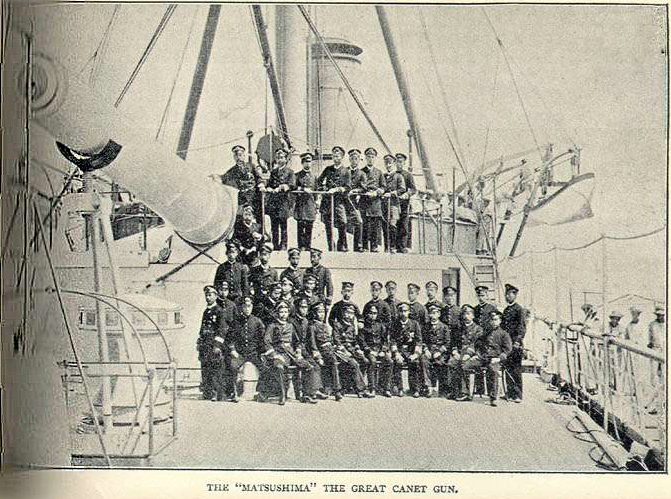
Schneider et Cie actively marketed Canet designs abroad, offering complete weapon systems — barrels, mountings and associated hardware — to governments modernising their fleets and coastal defences. As with other major European suppliers of the time, Canet guns were exported to a number of states and fitted to new warships, cruisers and fortifications built in the closing decades of the 1800s. Records and period photographs show a variety of configurations and installations reflecting customers' requirements.
Legacy and preservation
Canet guns illustrate the transitional stage in artillery technology between mid‑19th‑century muzzle loaders and the quick‑firing steel guns that dominated the early 20th century. Gustave Canet's designs contributed to Schneider's international standing as an arms manufacturer. Surviving examples, fragments and archival documentation are mainly preserved in specialist military collections, museums and repositories that study late‑Victorian and Belle Époque naval and coastal armaments.
Further notes
- Terminology: contemporary sources may refer to weapons by calibre or by the ship or battery in which they were installed rather than by designer name alone.
- Research resources: museum catalogues, period ordnance manuals and Schneider company records are primary sources for more detailed technical data and production lists.
Related articles
Author
AlegsaOnline.com Canet gun: late 19th‑century artillery by Gustave Canet Leandro Alegsa
URL: https://en.alegsaonline.com/art/16546
Sources
- navweaps.com : "Japanese 12.6"/38 (32 cm) Canet"