
Canada Elections Act
Primary federal statute that governs the conduct, financing and administration of elections to Canada’s House of Commons, including rules on voting, advertising, nominations and enforcement.
Overview
The Canada Elections Act is the principal federal law that governs how members are chosen for the House of Commons of Canada. It sets rules for voter eligibility, candidate nomination, campaign finance, advertising, vote counting and the roles of election officials. The Act is a statute of the Parliament of Canada and is commonly referred to by its French name, Loi électorale du Canada. It functions as the legislative framework for administering democratic contests and protecting the integrity of federal elections and related processes; it is enacted as a law of the country (statute) and arises from decisions and actions taken by the federal legislature (Parliament).
Image gallery
1 Image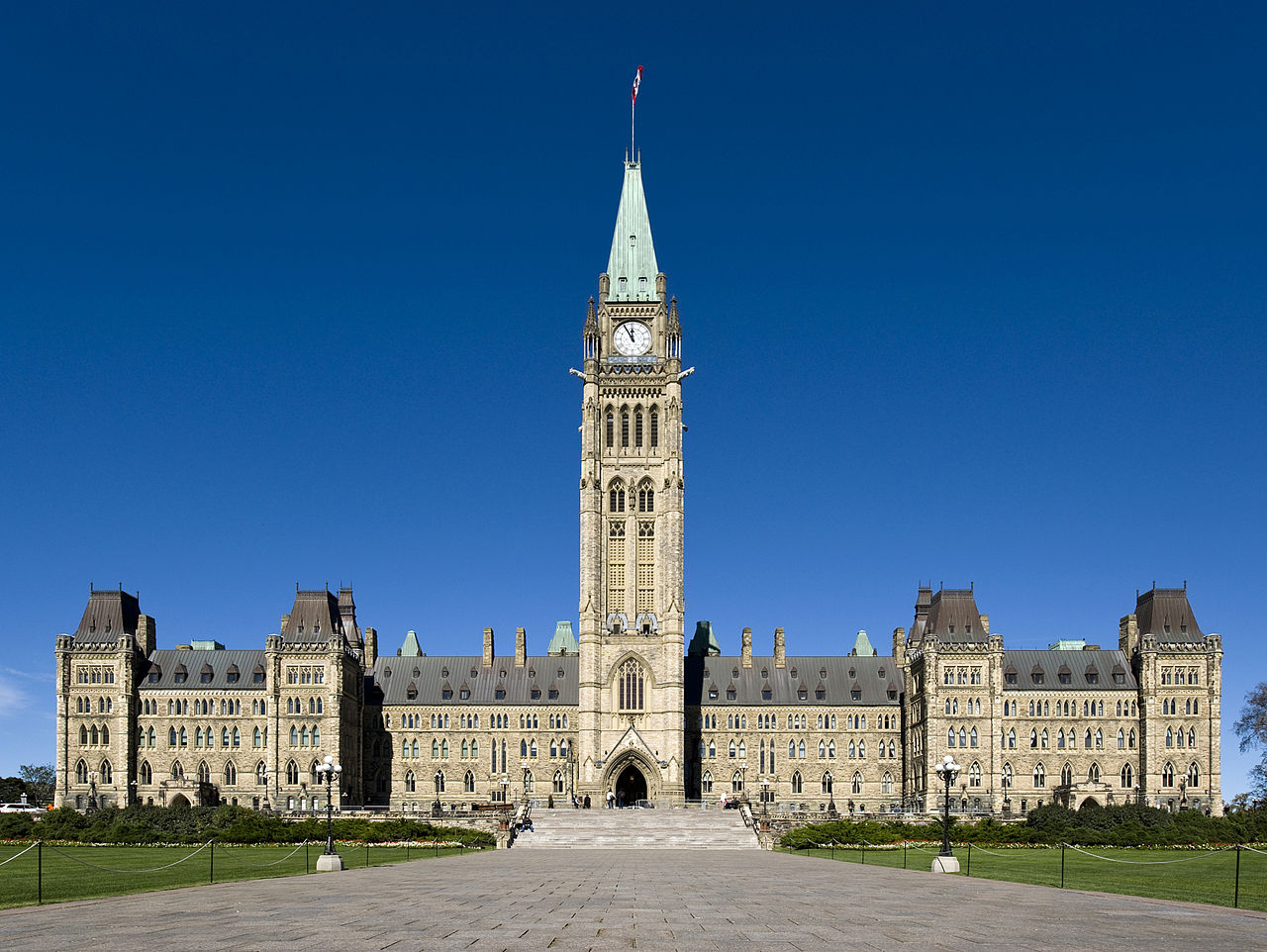
Key provisions
The Act covers the practical steps of holding an election (election) for Members of Parliament (MPs) to the House of Commons (House of Commons). Major subject areas include:
- Voter registration and identification procedures.
- Candidate nomination rules, deposit requirements and eligibility.
- Campaign finance: contribution limits, disclosure obligations and spending caps.
- Rules governing election advertising, third-party communications, and the timing of publications and broadcasts (election advertising).
- Advance polls, special ballots, recounts and judicial review mechanisms.
History and major amendments
The Act has been amended frequently to reflect technological change, court decisions and political reform. In 2003 Parliament extended parts of the Act to deal with internal nomination contests of registered political parties (party nominations), bringing certain nomination activities under federal rules. A notable amendment in 2007 introduced a fixed-date election regime to set regular federal election timing while preserving the constitutional power of the Prime Minister to request dissolution (fixed election dates).
Enforcement, court rulings and controversies
Enforcement is carried out by election administrators and statutory officers. The Act authorizes investigation, administrative penalties and criminal sanctions for serious breaches. Provisions limiting third-party spending and advertising have been tested in the courts; in a prominent decision the Supreme Court of Canada upheld limits on third-party election advertising as a permissible restriction to protect fair electoral competition. Successive reforms have prompted debates about voter access, the role of money in politics and the balance between regulation and free expression.
Importance and distinctions
The Canada Elections Act is distinct from other federal or provincial statutes that touch on democracy (for example, electoral boundary laws or provincial election statutes). It is the cornerstone of federal election law, relied upon by election administrators, political parties, civil society and courts. Understanding its provisions is essential for candidates, campaign workers, third parties and voters who participate in the federal democratic process.
Further reading
For official explanations, procedural guidance and updated texts consult the resources published by election authorities and government departments. Authoritative commentary and case law provide context on how the Act operates in practice and how reforms have shaped contemporary federal elections.
French name | Legal status | Parliamentary source | What is an election? | Members of Parliament | House of Commons | Advertising rules | Nomination rules | Fixed-date amendment
Related articles
Author
AlegsaOnline.com Canada Elections Act Leandro Alegsa
URL: https://en.alegsaonline.com/art/16435