
Air Force One: U.S. Presidential Aircraft and Call Sign
Air Force One is the official air traffic call sign for any U.S. Air Force aircraft carrying the president. The term also refers to the specially modified Boeing jets, their capabilities, history and protocols.
Overview
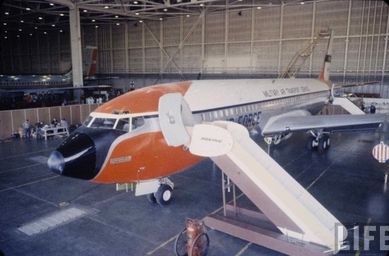
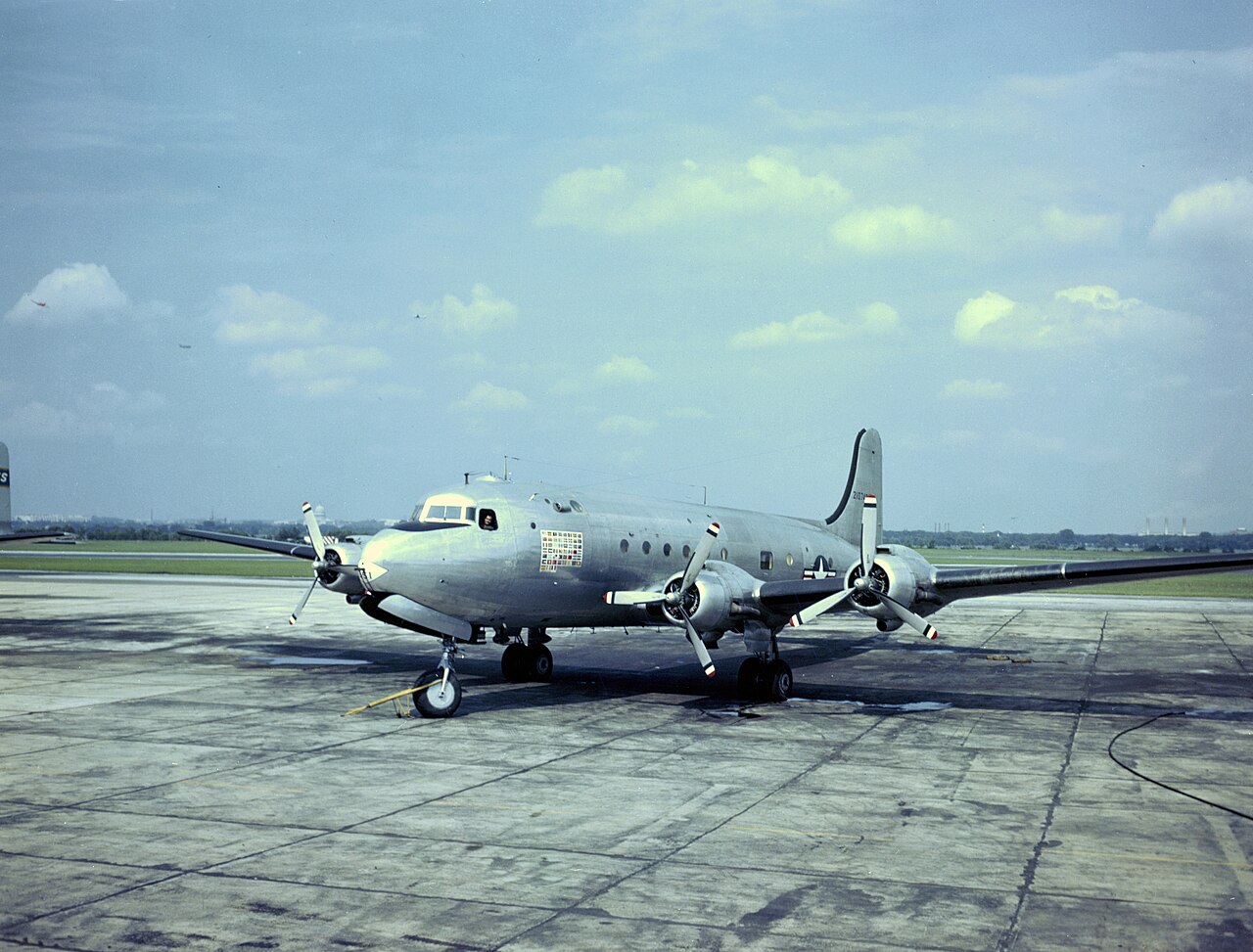
"Air Force One" is the radio call sign assigned to any United States Air Force aircraft while the president of the United States is aboard. The name describes a procedural identifier rather than a specific airplane, and it is part of the broader system that ensures safe, secure and coordinated presidential air travel. The U.S. Air Force maintains specially configured airplanes for this purpose; these aircraft are often referred to in popular usage as Air Force One even when the president is not on board.
Image gallery
10 Images




Design, equipment and capabilities
The presidential fleet is built from large, long-range transport airliners that have been extensively modified for security, communications and comfort. Typical modifications include advanced secure communications suites so the president can remain in contact with civilian and military leaders, defensive countermeasures to reduce vulnerability, and accommodations for an on-board staff and medical facilities. The planes are refueled in flight when necessary to extend range and maintain continuity of operations during crisis. These features are installed on United States Air Force platforms selected to serve as presidential aircraft, maintained and operated by dedicated Air Force units such as Air Mobility Command and assigned support personnel U.S. Air Force aircraft.
History and notable developments
Presidential air travel has evolved from ad hoc arrangements using military transports to a permanent program of customized jets. Since the mid-20th century the president has commonly used large Boeing jets modified for the role, which have become visible symbols of the office. The name "Air Force One" itself came into regular use after a midair radio confusion incident prompted clearer identification procedures. One of the most cited historical anecdotes involves President Richard Nixon: when he left Washington after resigning in Richard Nixon’s 1974 resignation, he boarded the presidential aircraft bound for California, but at the moment Gerald Ford became president the call sign for that flight changed because the president had changed.
Call sign, protocols and related terms
Because "Air Force One" is a call sign, any USAF airplane carrying the president assumes it only for the duration of the flight while the president is physically present on board. When the president is not aboard, the same airframe is flown under its standard mission or tail number and sometimes under designations such as Special Air Mission (SAM). Vice-presidential flights use a different call sign—commonly known as "Air Force Two"—and the White House also uses helicopters and other aircraft with their own designations (for example, the presidential helicopter is typically called Marine One when the president is aboard).
Usage, examples and public role
Air Force One transports the president for domestic and international travel, carrying staff, security personnel and equipment needed to govern while airborne. Its visibility makes it a powerful symbol of the presidency and an element of national protocol during state visits, emergency responses and high-profile trips. For historians and the public, individual presidential flights sometimes become notable—either for the technology they introduced or the events that occurred during them.
Where to learn more
- Presidential mobility and communications
- Boeing 747 and modified presidential variants
- United States transport and logistics
- Historical presidential flights and transitions
For official technical specifications, operational history and museum exhibits related to presidential aircraft, consult authoritative sources maintained by government and aviation institutions. Images and archival materials are often held by national museums and the Air Force, and can illustrate how the role of Air Force One has changed alongside advances in aviation and communications technologies.
Additional links: U.S. Air Force, aircraft, president, Boeing 747, United States, on board, Richard Nixon, 1974, California.
Related articles
Author
AlegsaOnline.com Air Force One: U.S. Presidential Aircraft and Call Sign Leandro Alegsa
URL: https://en.alegsaonline.com/art/1617