
Ancient Egyptian Royal Titles: The Fivefold Titulary and Its Role
Summary of the royal titulary used by ancient Egyptian rulers: its components, development, religious and political functions, and how it was displayed in inscriptions.
Overview
Ancient Egyptian rulers—commonly called pharaohs in modern usage—used a formal set of royal names and titles to express authority, divine sanction, and political program. These names combined religious symbolism and political claims: they identified the king with particular gods, asserted his dominion over Upper and Lower Egypt, and recorded a personal identity used in legal, ritual and monumental contexts. Titles could change over a ruler's career, reflecting new achievements, religious roles or shifts in ideology.
Image gallery
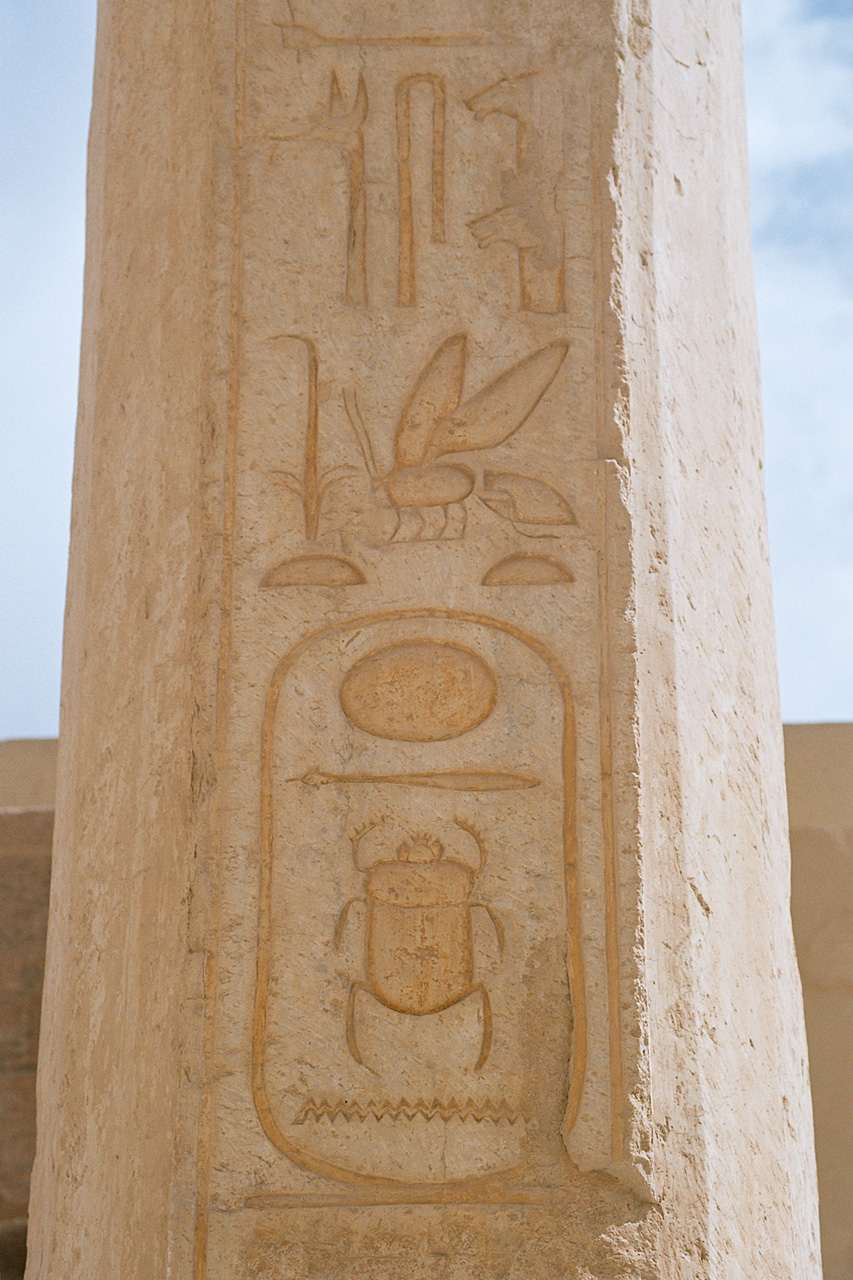
4 Images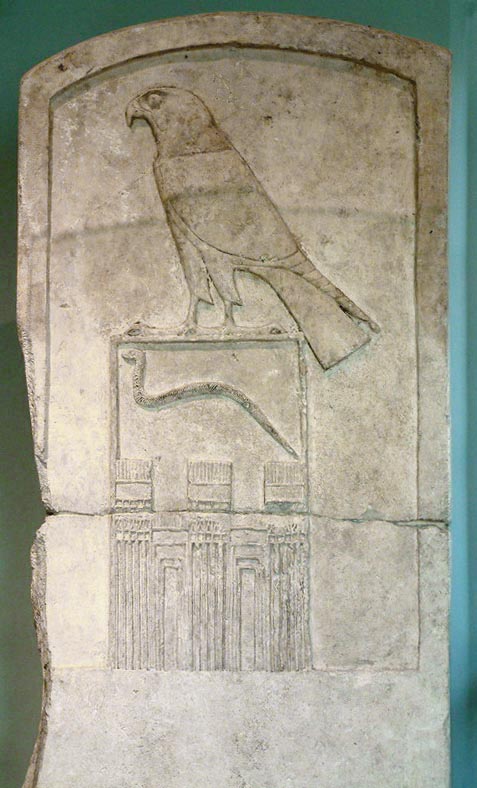


Components of the titulary
By the Middle Kingdom the royal titulary had settled into a conventional fivefold form. Egyptologists usually list these five names and their primary emphases:
- Horus name — Often enclosed by a serekh in early periods, this name associated the king with the falcon god Horus and emphasized kingship as divine protection and succession.
- Nebty or "Two Ladies" name — Linked to the goddesses of Upper and Lower Egypt (the "Two Ladies"), this title expressed the king's role in unifying and protecting both lands.
- Golden Horus name — A more uncertain element in meaning, traditionally tied to victory, eternity, or divine splendor; its precise interpretation is debated but it is a distinctive part of the sequence.
- Prenomen (throne name) — The throne name was the regnal name adopted on accession and typically written inside a cartouche with the epithet "King of Upper and Lower Egypt" (nswt-bity), signaling sovereign rule.
- Nomen (birth name) — The personal or birth name, also placed in a cartouche and often introduced by the epithet "Son of Ra" (sa-ra), linking the king to the solar god.
History and development
Early rulers used the serekh—a rectangular emblem combining palace facade and Horus falcon—to display a Horus-name. Over time the cartouche became the common frame for the prenomen and nomen. The fivefold arrangement became standard in the Middle Kingdom and continued, in various forms, through later dynasties and into periods of foreign rule, remaining a key element of royal representation even under the Ptolemies and Romans. Names sometimes changed during reigns to mark jubilees, military victories, religious reforms, or new roles; female rulers who assumed full kingly power often adopted the full titulary.
Functions, display and examples
Royal titles served multiple functions: religious (expressing divine association and ritual role), political (asserting legitimacy and territorial rule), administrative (appearing on official documents, seals and decrees), and propagandistic (inscriptions on temples, obelisks and tombs). The titulary appears on monuments, stelae, coins and scarabs and helps modern scholars identify and date rulers. For more on how titles conveyed a king's aims or "mission statement," see this discussion.
Notable facts and distinctions
- The titulary combined theology and statecraft: linking the monarch to gods such as Horus and Ra reinforced the king's unique status.
- Frames mattered: the serekh is an early royal device; the cartouche later enclosed the regnal names and became a strong visual cue of kingship.
- Although the five-name scheme is conventional, variations existed regionally and chronologically; some kings used alternative epithets or omitted elements on certain objects.
- For a concise chronology of the titulary's standardization and usage, consult sources on the Middle Kingdom and later developments here.
Taken together, the ancient Egyptian royal titles form a compact system that communicated authority, divine favor and political intent. Their study illuminates how rulers presented themselves to subjects and gods, and provides a durable record for reconstructing Egypt's political and religious history.
Questions and answers
Q: What were the Ancient Egyptian royal titles for?
A: The Ancient Egyptian royal titles were a standard way of naming the pharaohs, the kings of Ancient Egypt, and showed their worldly and religious powers.
Q: Did the names and titles of pharaohs change during their reign?
A: Yes, names and titles sometimes changed during the reign of pharaohs.
Q: What set of titles did pharaohs use during the Middle Kingdom?
A: By the Middle Kingdom, the pharaohs used a set of five titles.
Q: What is the titulary?
A: The titulary is the full set of titles using the five names that became the standard for naming Ancient Egyptian pharaohs.
Q: Were the Ancient Egyptian royal titles only used during Ancient Egypt's reign?
A: No, the Ancient Egyptian royal titles were still in use as late as the Roman Empire.
Q: Did the Ancient Egyptian royal titles provide any statement for the king?
A: Yes, the names could provide a sort of mission statement for the king.
Q: What did the Ancient Egyptian royal titles represent?
A: The Ancient Egyptian royal titles represented the king's religious and worldly powers.
Related articles
Author
AlegsaOnline.com Ancient Egyptian Royal Titles: The Fivefold Titulary and Its Role Leandro Alegsa
URL: https://en.alegsaonline.com/art/3841
Sources
- books.google.com : Creation Stories of the Middle East