
Buzen Province
Buzen Province was an historical province in northeastern Kyūshū, covering parts of modern Fukuoka and Ōita prefectures. It played a role in Japan's classical and feudal administration and left local cultural legacies.
Buzen Province (豊前国, Buzen no kuni) was an administrative province of historical Japan, located on the northeastern shore of the island of Kyūshū. Its territory corresponds to parts of present-day Fukuoka Prefecture and Ōita Prefecture. Alongside its eastern neighbor Bungo Province, Buzen was sometimes grouped under the alternative name Hōshū (豊州).
Image gallery
7 Images


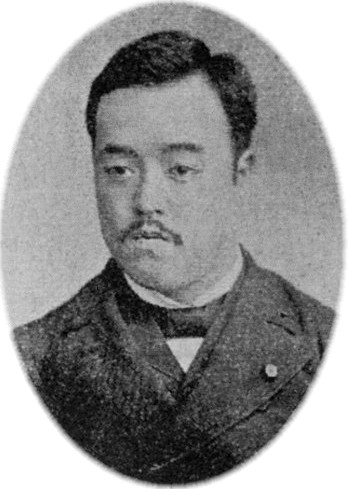
Geography and borders
Buzen occupied a stretch of coastline and adjoining inland hills. It shared borders with the provinces of Bungo to the east and Chikuzen Province to the west. The provincial capital (kokufu) and administrative center in ancient times was situated near Toyotsu, Fukuoka. The mix of coastal plain and upland terrain shaped local settlement patterns, agriculture, and fishing communities.
History and administration
Buzen emerged as a recognized province under Japan’s ritsuryō system of the 7th–8th centuries, when the country was divided into provinces for taxation and governance. Like other provinces, Buzen retained a distinct identity through the Heian, Kamakura, Muromachi and Edo periods as local warrior families and regional officials exercised control over land and resources. The Meiji government abolished the traditional provincial and feudal domains in the 1870s, replacing them with the modern prefectural system that placed Buzen’s territory within new administrative boundaries.
Economy, culture and legacy
The province’s economy historically relied on rice cultivation in its plains, coastal fisheries, and local crafts tied to rural communities. Place names, shrine and temple histories, archaeological remains of the provincial capital, and the continuing use of “Buzen” in local toponyms preserve its legacy. Modern municipalities that occupy lands of the old province include towns and cities in eastern Fukuoka and northern Ōita.
- Also known collectively with Bungo as Hōshū, reflecting regional connections.
- Ancient capital site near Toyotsu retains archaeological and historical interest.
- Territorial identity transitioned into the Meiji prefectural system.
Today Buzen is studied as a regional example of Japan’s provincial system and as a geographical unit that influenced local history, settlement, and cultural continuity from antiquity into the modern era.
Related articles
Author
AlegsaOnline.com Buzen Province Leandro Alegsa
URL: https://en.alegsaonline.com/art/15717
Sources
- books.google.com : "Buzen"
- books.google.com : A Concise Dictionary of the Principal Roads, Chief Towns and Villages of Japan, p. 177
- books.google.com : "Provinces and prefectures"
- eos.kokugakuin.ac.jp : "Nationwide List of Ichinomiya," p. 3