
Cabañas Department, El Salvador: overview, geography, history and society
Cabañas is a department in El Salvador with capital Sensuntepeque. Created in 1873 and named for General José Trinidad Cabañas, it is known for upland terrain, agricultural communities and local cultural traditions.
Overview
Cabañas is one of the departments of El Salvador, with Sensuntepeque as its departmental capital. Established in February 1873, the division is a primarily rural territory characterized by small towns, farming communities and a network of secondary roads that connect it to larger urban centers.
Image gallery
1 Image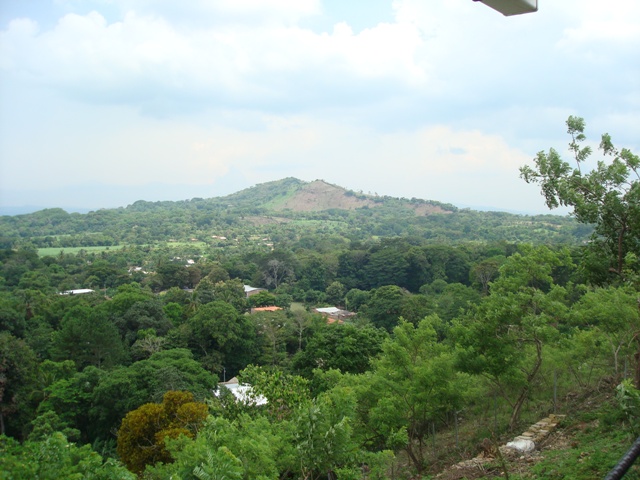
Geography and environment
The department occupies upland terrain of the country's interior, with ranges of hills and volcanic highlands that give it a milder climate than coastal lowlands. Its landscape includes mixed farmland, pockets of remaining forest and river valleys. Soils and slopes shape settlement patterns and agricultural use; like much of El Salvador, parts of the department face pressures from erosion, deforestation and competing land uses.
Economy and daily life
Economic activity in Cabañas is dominated by smallholder agriculture and livestock, supplemented by commerce in market towns and remittances from family members working abroad. Local farms typically grow staple crops and coffee at higher elevations, and residents rely on town centers such as Sensuntepeque for services, education and municipal administration. Community life centers on local festivals, religious observances and municipal markets.
History and name
The department was created in 1873 and takes its name from General José Trinidad Cabañas, a 19th-century Central American military and political leader who later served as a minister in El Salvador. The naming reflects the common 19th-century practice in the region of honoring figures associated with independence and liberal reforms.
Administration, culture and notable features
Cabañas is administered through a set of municipalities and local councils that manage services and infrastructure. Sensuntepeque functions as the administrative hub. The department is known for its rural cultural traditions, community festivals and craft activities that reflect mestizo and regional influences. Visitors and researchers may find interest in its landscapes, agricultural rhythms and efforts at local development and conservation.
Typical activities and points of interest
- Agriculture: small-scale coffee, grains and livestock.
- Local markets and fairs centered on the departmental capital.
- Community festivals and religious observances reflecting local identity.
Related articles
Author
AlegsaOnline.com Cabañas Department, El Salvador: overview, geography, history and society Leandro Alegsa
URL: https://en.alegsaonline.com/art/15833
Sources
- elheraldo.hn : "José Trinidad Cabañas, Soldado de la Patria"