
Bug spray: uses, types, active ingredients, and safety
Overview of bug spray (insecticides and repellents), common active ingredients, application methods, safety guidance, environmental effects, and differences between repellents and killers.
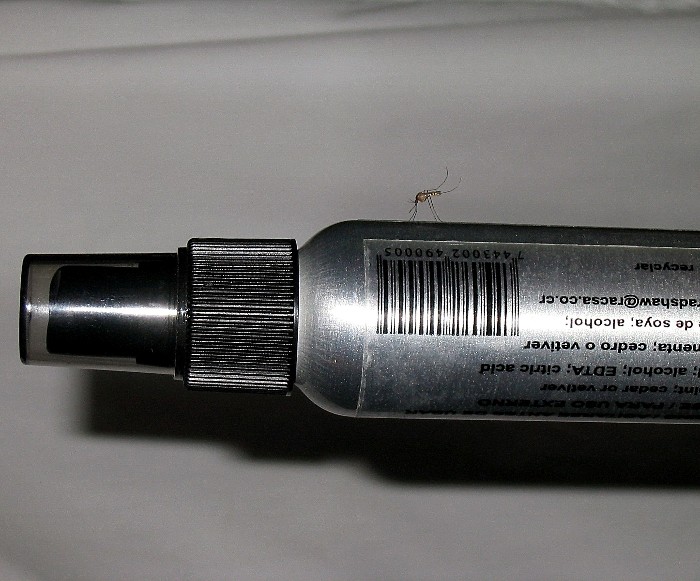
Bug spray is a general term for aerosol or pump products formulated to repel, incapacitate or kill insects. Consumers encounter sprays marketed for different purposes: personal repellents to deter mosquitoes from biting, indoor sprays to eliminate household pests, and outdoor/structural products for lawns or buildings. Product labels and manufacturer instructions should always be followed; for product specifications consult the manufacturer or regulatory guidance here.
Image gallery
4 Images

Common types and active ingredients
Sprays vary by formulation and target use. Common categories include:
- Personal repellents (contain DEET, picaridin, or oil of lemon eucalyptus) designed to be applied to skin or clothing.
- Contact insecticides (often pyrethrins or pyrethroids) that kill on direct contact with insects.
- Residual sprays for surfaces (longer-lasting pyrethroids or organophosphate alternatives in some professional products).
- Permethrin treatments for clothing and gear (not for direct skin application).
Uses and examples
Bug sprays are used to reduce disease vectors (like mosquitoes that carry dengue or malaria), to control nuisance pests indoors (ants, roaches), and to protect outdoor spaces. Homeowners may use pump sprays for spot treatments or foggers for larger infestations; professionals use specific formulations and equipment depending on the site and pest.
Safety, environmental effects, and distinctions
Safety considerations are central: read labels, avoid inhalation and contact with eyes, and keep products away from children and pets. Disposal and storage should follow local regulations because many insecticides are toxic to aquatic life and pollinators. Note the distinction between repellents (which deter biting) and insecticides (which kill or incapacitate insects); some products combine actions but have different application instructions. For regulatory, safety or testing information see additional resources.
Resistance can develop in pest populations after repeated use of the same active ingredient, so integrated pest management—combining sanitation, exclusion, and targeted chemical use—is recommended for long-term control.
Related articles
Author
AlegsaOnline.com Bug spray: uses, types, active ingredients, and safety Leandro Alegsa
URL: https://en.alegsaonline.com/art/15151