
Bruno Brun (1910–1978): Yugoslav Clarinetist and Pedagogue
Overview of Bruno Brun, a leading Yugoslav clarinet soloist and long-serving professor at the Belgrade Music Academy, his education, career, teaching legacy and notable students.
Overview
Bruno Brun (1910–1978) was a prominent Yugoslavian musician best known as a clarinet soloist and as a teacher. He combined an active performance career with a long tenure as a professor at the conservatory in Belgrade, shaping several generations of wind players in the former Yugoslavia and the wider region.
Image gallery
1 Image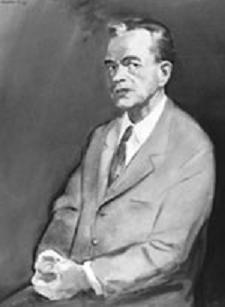
Education and professional career
Brun completed his formal studies at the Belgrade conservatory, graduating in 1945. He subsequently pursued further study in Paris, a common path for Central and Eastern European instrumentalists seeking exposure to Western European musical traditions, where he deepened his technique and interpretive approach while engaging with contemporary repertoire (Paris).
Performance and repertoire
As a soloist, Brun performed widely across Yugoslavia and appeared in international concerts. His repertoire ranged from standard Classical and Romantic clarinet works to 20th-century compositions, reflecting the era's expanding literature for the instrument. Critics and colleagues noted his attention to tonal clarity, phrasing and ensemble balance.
Teaching, influence and contributions
For many years Bruno Brun taught at the Music Academy in Belgrade (the academy), where he became a central figure in clarinet pedagogy. He was among the founders of the Association of Musical Artists of Serbia, an organization intended to support professional musicians and promote musical life. His teaching emphasized solid technique, musical sensitivity and a disciplined approach to rehearsal and performance, and he is widely credited with helping establish a distinctive regional school of clarinet playing.
Notable students
- Milenko Stefanovic
- Mihailo Zivanovic
- Ernest Ackun
- Ante Grgin
- Nikola Srdic
Several of Brun's pupils went on to become leading performers and teachers, continuing his pedagogical lineage and contributing to orchestral and solo traditions in Serbia and beyond.
Legacy and significance
Bruno Brun is remembered both for his concert work and for the institutional legacy he helped build through teaching and professional organization. Though primarily associated with mid‑20th century Yugoslav musical life, his influence persists in modern conservatory curricula and in the careers of his students. For further reading and archival materials, consult conservatory histories and specialized studies of wind playing in Southeastern Europe.
More on his national context • Clarinet traditions • Teaching philosophy • Belgrade Music Academy • Graduation year • Studies in Paris
Related articles
Author
AlegsaOnline.com Bruno Brun (1910–1978): Yugoslav Clarinetist and Pedagogue Leandro Alegsa
URL: https://en.alegsaonline.com/art/14890