
Wile E. Coyote and the Road Runner: cartoon duo and cultural icons
Overview of the Wile E. Coyote and Road Runner cartoons: characters, recurring gags, origins in late-1940s animation, style, legacy and appearances across media.
Overview
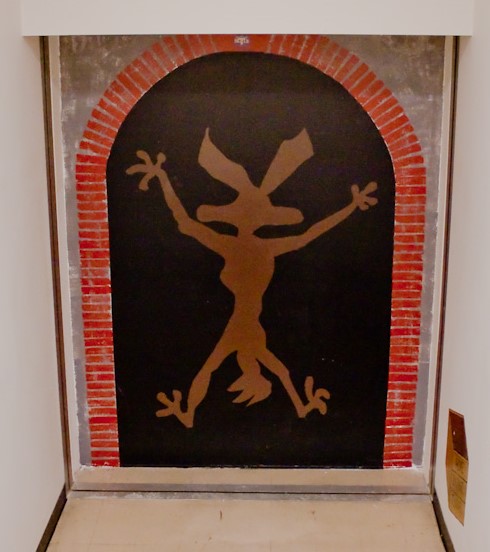
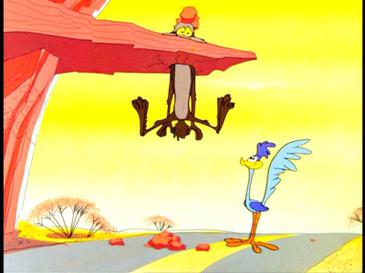
The duo known as Wile E. Coyote and the Road Runner are animated characters created for the American theatrical cartoon tradition. They appeared as a recurring pairing in the Looney Tunes and Merrie Melodies series and are celebrated for their simple premise: a perpetually hungry coyote pursues an impossibly fast bird across a stylized desert landscape, and the chase invariably ends with comic failure.
Image gallery
4 Images

Characters and visual style
Rather than relying on spoken dialogue, the shorts emphasize physical comedy, timing, and inventive visual gags. The Road Runner communicates with a two-note call and speedy motion, while the coyote, commonly called Wile E. Coyote, depends on elaborate devices and schemes instead of predatory instinct. The shorts often substitute signs, pantomime and sound effects for speech, giving the series a largely silent, slapstick quality that highlights animation craft.
Recurring gags and props
Certain motifs repeat across episodes and define the pair's comic identity. Prominent elements include:
- Mail-order gadgets and improbably labeled products from the fictional ACME company, which the coyote purchases to aid his schemes.
- Physics-defying mishaps such as falling from cliffs, explosive backfires, rockets, and traps that misfire or rebound on their maker.
- Wordless reactions, extended pauses, and visual punchlines that make the failure itself the joke.
Origins and creative team
The concept emerged in the late 1940s and was developed by a small creative team led by writer Michael Maltese and director Chuck Jones. Produced for the Warner Bros. cartoon unit, the shorts were conceived as a playful response to and exaggeration of chase-based cartoons of the era. They deliberately pared back dialogue and characterization to explore pure visual gag construction and timing, a stylistic choice that set the series apart from contemporaries such as Tom and Jerry, which emphasized different dynamics between cat and mouse.
Distribution and adaptations
Over decades the characters moved beyond theatrical shorts into television packages, comic books, advertising cameos, and interactive media. They have appeared in licensed video games and on home consoles, including releases tied to platforms like the Nintendo Entertainment System and later systems such as the PlayStation. The pair also show up in compilation programs and retrospective collections, keeping the material accessible to new audiences.
Legacy and notable facts
Wile E. Coyote and the Road Runner are often cited in discussions of comic timing, cartoon physics, and minimalist storytelling. Their influence can be seen in later animated work that prioritizes visual gags and economy of premise. While each short repeats a similar narrative arc, variation in devices, pacing, and staging keeps the cartoons inventive. The series also provides a lasting example of how a simple idea, executed with careful timing and design, can become an enduring cultural touchstone.
For further context on the characters and their place in animation history, consult archival and scholarly sources that examine mid-20th-century American cartoons and the creative teams responsible for them.
animal study, parody context and formal analyses remain available in film and media studies collections for readers who wish to explore the cartoons' techniques and cultural impact.
Author
AlegsaOnline.com Wile E. Coyote and the Road Runner: cartoon duo and cultural icons Leandro Alegsa
URL: https://en.alegsaonline.com/art/147826