
Tom and Jerry — American slapstick cartoon series and franchise
Tom and Jerry is a long-running American slapstick animated series created by William Hanna and Joseph Barbera, centered on the comic rivalry between a cat (Tom) and a mouse (Jerry).
Overview
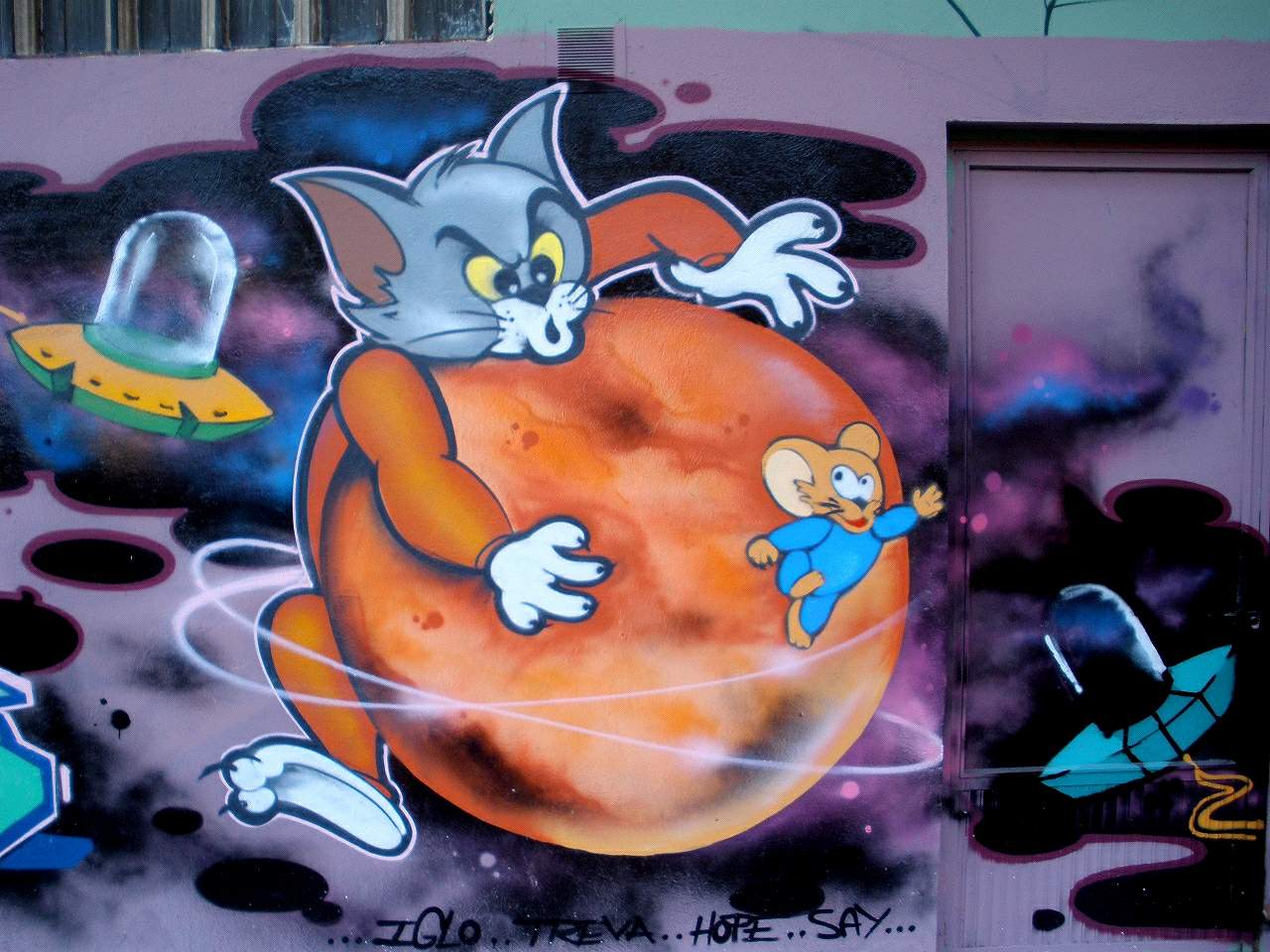
Tom and Jerry is an iconic American slapstick comedy franchise built around short-form animated shorts that pit a cat against a mouse in exaggerated, physical comedy. Conceived in 1940 by William Hanna and Joseph Barbera, the series is named after its two central figures: a blue-grey cat often called Tom and a small brown house mouse known as Jerry. Episodes typically emphasize visual gags, timing, and musical pacing rather than extended spoken dialogue.
Image gallery
7 Images



Characters and stylistic features
The core appeal of Tom and Jerry lies in its simple premise: relentless pursuit, clever escapes, and comic retaliation. Recurring supporting characters include a bulldog (Spike) and his pup (Tyke), alley cat rivals, and occasionally domestic humans. Music and sound effects play a central role in setting rhythm and accenting action; the earliest theatrical shorts used orchestral scores to synchronize on-screen movement. The series is known for fast editorial timing, inventive mechanical traps, and a temperament that frequently flips — sometimes Tom is the aggressor, sometimes the victim.
History and production
The original theatrical run began at the Metro-Goldwyn-Mayer cartoon studio, where a substantial body of shorts was produced during the 1940s and 1950s by MGM’s animation unit. Over the decades the franchise passed through several creative teams and production homes: following the MGM era, a set of shorts was produced in Europe by Gene Deitch, and later a series was made by animator Chuck Jones. Subsequent television series, made-for-TV shorts and feature projects expanded the franchise and introduced Tom and Jerry to new generations. The series won multiple industry awards during its classic period, including seven Academy Award wins for Animated Short Film, a tally often compared with earlier studio anthologies such as the Walt Disney Silly Symphonies.
Notable episodes, awards and controversies
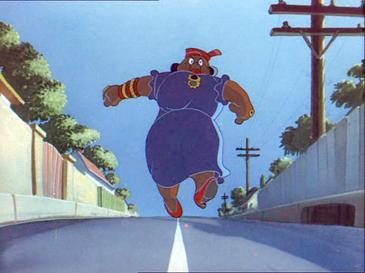
Many of the early shorts are celebrated for their craftsmanship, timing and musicality; a handful remain especially well known for clever setups and finales. At the same time, some vintage entries contain period-specific caricatures and ethnic stereotypes that later broadcasters edited or restricted. The series has therefore been subject to both celebration for its influence on visual comedy and critical reassessment for dated content.
Uses, adaptations and cultural impact
Beyond theatrical cartoons, Tom and Jerry has been adapted into television series, feature films, comic books, video games and merchandise. The characters appear in crossover projects and new series that reinterpret the chase in contemporary settings, while preserving the essential comic dynamic that defined the originals. The franchise has served as a training ground and showcase for animators, directors and composers who developed timing and visual storytelling techniques still studied today.
Further reading and resources
For historical context and production details, consult studio histories and animator biographies. Scholarly and fan resources discuss the series’ techniques and legacy. Related searches and reference entries may use tags such as Metro-Goldwyn-Mayer, the role of score and sound, and biographies of the founders. Other useful anchors include studio personnel and later contributors; search entries for William Hanna, Joseph Barbera, and later creators such as Gene Deitch and Chuck Jones. Additional context about animation style and franchise adaptations can be found under entries labeled slapstick comedy, cat, and mouse. For a concise overview of the series’ critical recognition see references to the Academy Award category and comparisons to earlier studio work such as Walt Disney.
Questions and answers
Q: Who created the Tom and Jerry animated short series?
A: William Hanna and Joseph Barbera created the Tom and Jerry animated short series.
Q: How many shorts have been produced for the franchise?
A: A total of 164 shorts have been produced for the Tom and Jerry franchise.
Q: What is the record-holding number of awards won by Tom and Jerry in the Animated Short Film category?
A: Tom and Jerry holds the record of winning a total of seven Academy Awards in the Animated Short Film category, which ties it with Walt Disney's Silly Symphonies for first place.
Q: Which notable companies have had rights to produce adaptations of Tom and Jerry since 1940?
A: MGM, Hanna-Barbera Productions, Filmation, Warner Bros Animation, Turner Broadcasting System have owned rights to produce adaptations of Tom and Jerry since 1940 until now.
Q: What are some notable animators who have worked on producing new episodes or cartoons for this franchise?
A: Some notable animators who have worked on producing new episodes or cartoons for this franchise include Tom Ray, Iwao Takamoto, Jaime Diaz, Eddie Fitzgerald, Tom Minton, Charles M Howell IV Kent Butterworth Cliff Voorhees John Kricfalusi Paul Sabella Bill Proctor Sandy Benenati David Feiss Butch Hartman Scott Jeralds Dan Haskett among others.
Related articles
Author
AlegsaOnline.com Tom and Jerry — American slapstick cartoon series and franchise Leandro Alegsa
URL: https://en.alegsaonline.com/art/100368
Sources
- awardsdatabase.oscars.org : "Search - Animated Shorts 1943-1957"