
Samuel P. Huntington
American political scientist and Harvard professor known for The Soldier and the State, Political Order in Changing Societies, The Third Wave, and the 'Clash of Civilizations' thesis.
Overview
Samuel P. Huntington (April 18, 1927 – December 24, 2008) was an American political scientist and public intellectual whose work shaped debates about civil‑military relations, political development, democratization and post‑Cold War global politics. He spent the bulk of his academic career at Harvard University, serving as director of the university's Center for International Affairs and holding the Albert J. Weatherhead III University Professorship. Huntington combined scholarly research with public service, including a brief role in the Carter administration.
Image gallery
2 Images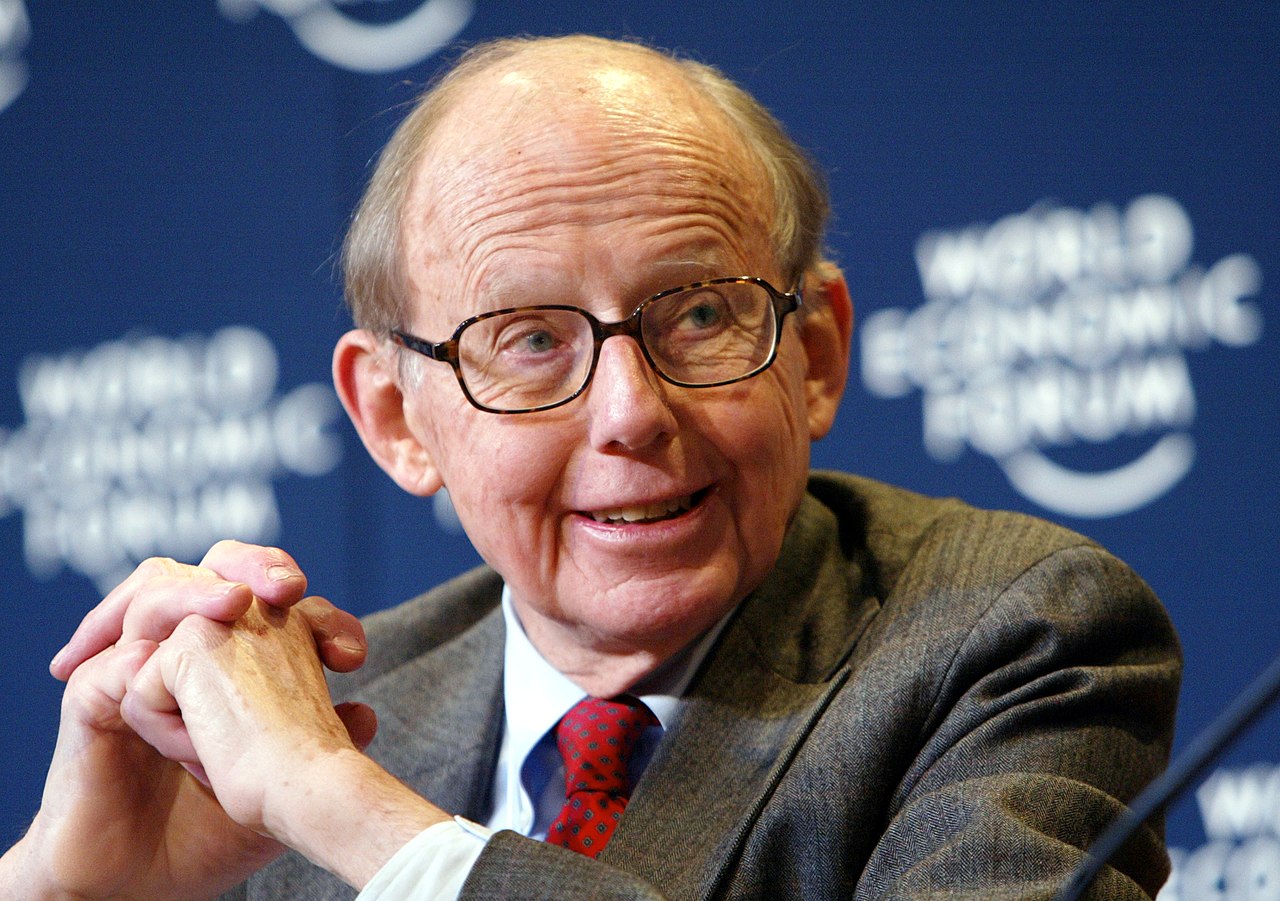

Major works and central ideas
Huntington authored several influential books across different subfields of political science. Notable titles include The Soldier and the State (1957), which examined the relationship between military professionalism and civilian control; Political Order in Changing Societies (1968), which argued that the creation and strength of political institutions, not simply economic or social modernization, determine stability; and The Third Wave (1991), which analyzed global waves of democratization. In the early 1990s he published an essay that developed into the widely debated thesis later known as the "Clash of Civilizations," proposing that cultural and civilizational identities would become primary sources of conflict in the post‑Cold War era.
Career and public service
Beyond scholarship, Huntington advised policymakers and briefly served in the executive branch. During the presidency of Jimmy Carter, he held a coordinating role in planning for national security matters in the White House as a White House coordinator attached to the National Security Council. At Harvard he was a prominent teacher and mentor, directing research on international affairs and comparative politics and engaging in public debates on American foreign policy and domestic governance.
Reception and influence
Huntington's work generated substantial influence and controversy. Supporters credit him with clarifying the institutional sources of political stability and the importance of civil‑military relations. His "Clash of Civilizations" thesis provoked debate about cultural explanations for conflict: some found it a useful heuristic for thinking about identity in world politics, while others criticized it as overly reductive and ascribing fixed, monolithic characteristics to diverse societies. His books remain widely cited and taught across political science and international relations curricula.
Legacy and notable facts
- He helped institutionalize the study of political order and civil‑military relations as distinct fields within political science.
- His career bridged academic research and policy advising, illustrating a model of scholar‑practitioner engagement.
- Huntington died on December 24, 2008, at his home in Martha's Vineyard, Massachusetts, from complications related to heart failure and diabetes.
For readers seeking more detail, Huntington's major books and essays provide direct access to his arguments and evidence, and they remain central texts for understanding debates about institutions, democracy, military affairs, and cultural dimensions of international politics.
Author
AlegsaOnline.com Samuel P. Huntington Leandro Alegsa
URL: https://en.alegsaonline.com/art/145351