
British Rail Class 53 — the Brush-built prototype 'Falcon'
Overview of the one-off British Rail Class 53 "Falcon": a Brush-built prototype diesel locomotive, its design, trials, why it remained unique, and its legacy in British railway development.
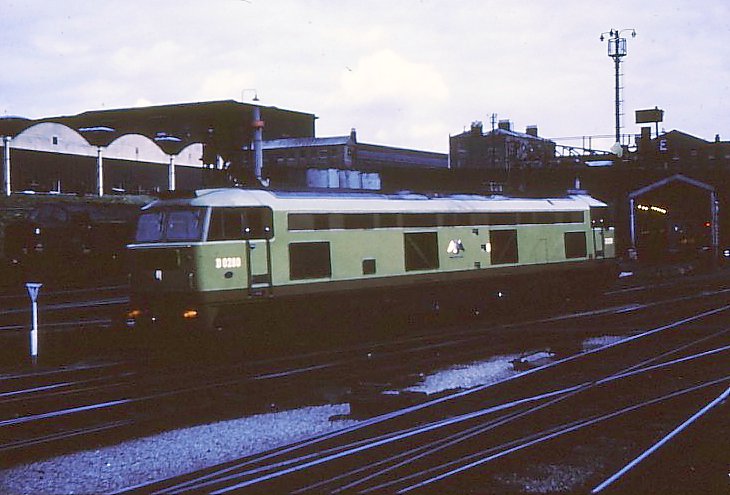
British Rail Class 53 refers to a single, prototype diesel locomotive built by Brush Traction for British Rail. Commonly known by its nameplate "Falcon," this machine was an experimental attempt to produce a high‑power locomotive suited to express services. Although it performed its duties and underwent mainline trials, advances in diesel engine design and changing procurement priorities meant the concept was not put into series production.
Image gallery
2 Images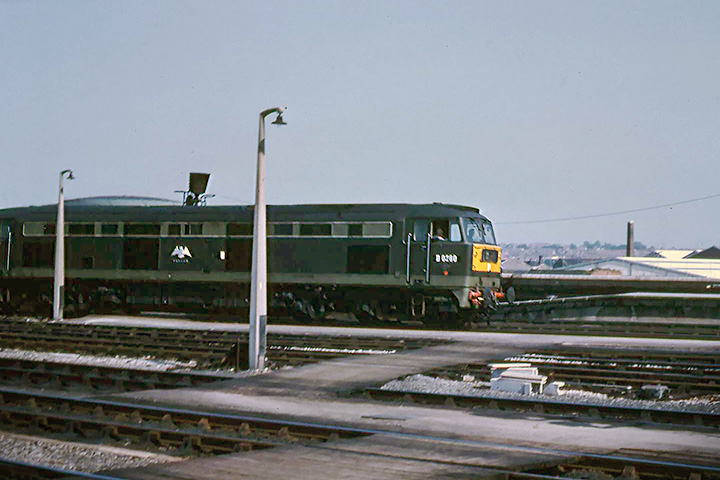
Design and characteristics
The Class 53 was conceived as a powerful, standalone diesel-electric locomotive. As a prototype, it combined components from established manufacturers and used design ideas intended to deliver sustained high-speed performance. It featured an unusual arrangement compared with mass-produced contemporaries, reflecting a period of rapid experimentation in traction technology.
- Prototype status: built as a single demonstrator rather than as part of a batch.
- Manufacturer: Brush Traction, a long-established builder of locomotives and electrical equipment.
- Role: intended for express passenger and heavy train duties.
Development and service
Following construction, the locomotive underwent a programme of running trials and worked in revenue service on parts of the national network to evaluate reliability and performance. Tests assessed its mechanical systems, traction capabilities and suitability for the kinds of routes that required sustained high power. Practical experience revealed both strengths and limitations typical of one-off prototypes.
Why it remained unique
Several factors contributed to the Class 53 remaining a single example. Rapid progress in diesel engine design produced reliable single low‑speed engines that could deliver comparable power more simply and economically; this trend reduced the commercial appeal of complex or unconventional prototypes. Procurement strategies at British Rail increasingly favored standardized classes that could be produced in quantity, maintained more easily and supported economies of scale. For broader context on evolving traction technology, see general resources on diesel engine technology and developments in low-speed diesel engines.
Legacy and notable facts
The Class 53 occupies a distinctive niche in British railway history as an example of mid‑20th century experimentation. Even though it did not lead to a new production class, the lessons learned influenced later designs and specification choices. Enthusiasts and historians note the locomotive for its individuality and for what it reveals about the transition from early diesel innovations to the more standardized, efficient locomotives that followed.
For information on the builder and related projects, consult sources about Brush Traction and broader studies of British diesel traction development.
Related articles
Author
AlegsaOnline.com British Rail Class 53 — the Brush-built prototype 'Falcon' Leandro Alegsa
URL: https://en.alegsaonline.com/art/14485