
P. T. Barnum (Phineas Taylor Barnum)
19th-century American showman, entrepreneur, and author who popularized mass entertainment through museums, publicity stunts, a travelling circus, and high-profile performers, while courting controversy.
Overview
Phineas Taylor Barnum (July 5, 1810 – April 7, 1891) was a prominent American promoter and entrepreneur whose career helped shape modern popular entertainment. He described himself as a professional showman and built a reputation for publicity, spectacle, and show business innovation. Barnum combined carefully staged promotions with a varied program of attractions: live performers, oddities, staged curiosities and musical concerts. For a concise biographical introduction see biographical summaries and general discussions of the 19th‑century show business world (showman).
Image gallery
10 Images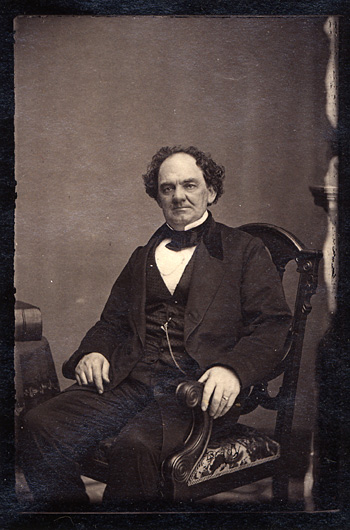


Career and major ventures
Barnum began promoting exhibitions in the 1830s in New York City and elsewhere, where a mix of entertainment and sensational claims drew paying crowds. One of his first widely noted attractions was an elderly African American woman named Joice Heth, whom Barnum exhibited with the claim she had been 161 years old. He staged public viewings and after her death arranged a public demonstration that was widely reported; contemporary accounts and later historians have scrutinized these actions for their ethics and theatricality (public autopsy and displays).
Barnum later established the American Museum in New York, which combined educational displays and live performances with sensational items. The museum presented both genuine talents and deliberate curiosities: among the best known were the tiny entertainer General Tom Thumb and the fabricated "Fiji mermaid" (hoaxes). Barnum also managed and promoted the Swedish soprano Jenny Lind, whose American tour he organized to great financial and popular success.
From museum to circus
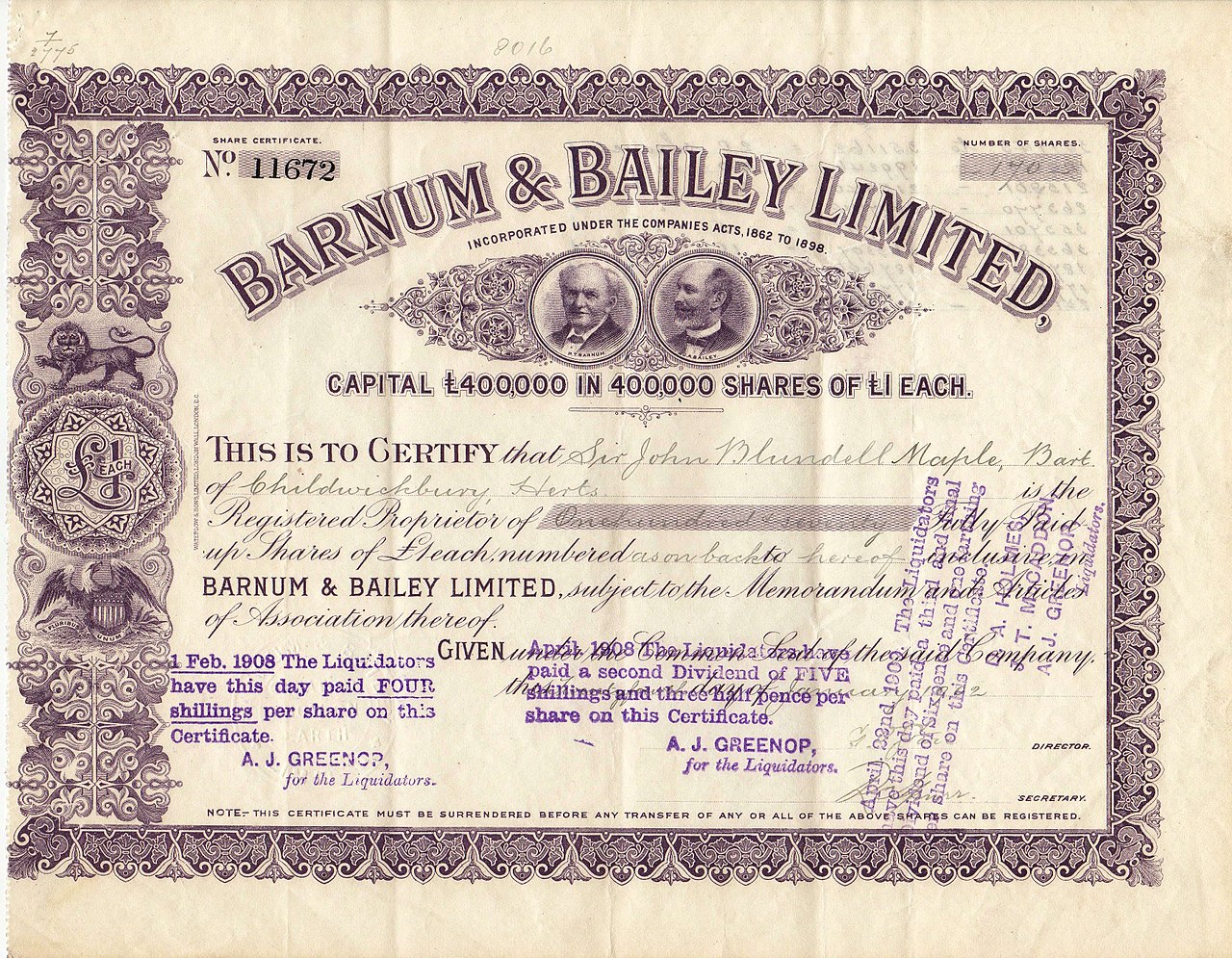
After fires and changing public tastes affected his museums, Barnum moved into travelling entertainment and created a circus model that mixed trained animals, novelty acts, and theatrical pageantry. His traveling shows featured famously large animals, most notoriously the elephant known as Jumbo (elephant), and drew national attention. Barnum’s circus enterprises played a significant part in the evolution of the modern circus and mass touring entertainments; the Barnum name later became attached to larger circus companies and partnerships that extended his influence.
Methods, controversies and public image
Barnum’s methods relied heavily on publicity, sensational advertising, and stories that blurred truth and fiction. He admitted to being a showman by profession and to using exaggeration as a tool (self‑description). Some of the slogans and anecdotes connected to him—such as the oft‑repeated quip about "a sucker born every minute"—are popularly attributed to him, though attributions are debated. Ethical criticism has focused on his treatment of performers and human exhibits, his creation of hoaxes, and his exploitation of public credulity.
Other roles and legacy
Beyond entertainment, Barnum was an author and publisher who wrote memoirs and practical guides for business and publicity; he is associated with works about self‑promotion and commerce (author). He also engaged in civic life: he served in local and state government and held municipal office in Connecticut, where he lived for many years (politician). By the end of his life Barnum had become one of the most widely recognized figures in American popular culture and is sometimes described as among the first show‑business millionaires (financial success).
Notable acts and cultural impact
- General Tom Thumb: A performer who became internationally famous under Barnum’s management (see actor).
- Jenny Lind: The Swedish singer whose American tour demonstrated Barnum’s skill at large‑scale promotion (concerts).
- Fiji mermaid and other curiosities: Examples of deliberate hoaxes that illustrate how Barnum blended fraud and showmanship (mermaid).
- Jumbo the elephant: A popular animal star that symbolized the scale of Barnum’s spectacles (Jumbo, elephant).
Barnum’s combination of entrepreneurship, publicity techniques, and theatrical spectacle left a complex legacy. He advanced the business of popular entertainment and mass promotion but also provoked continuing debate over exploitation, taste, and the ethics of spectacle. For further topics linked to his life, career, methods and controversies consult introductory overviews and specialized studies on historical show business (cultural references, showman practices, urban entertainment, exhibited individuals, and biographical resources).
Author
AlegsaOnline.com P. T. Barnum (Phineas Taylor Barnum) Leandro Alegsa
URL: https://en.alegsaonline.com/art/143838