
Minstrel show (19th-century American stage entertainment)
Minstrel shows were 19th-century American stage entertainments featuring comic skits, music, and dance performed largely in blackface; they shaped popular culture while reinforcing racist stereotypes.
Overview
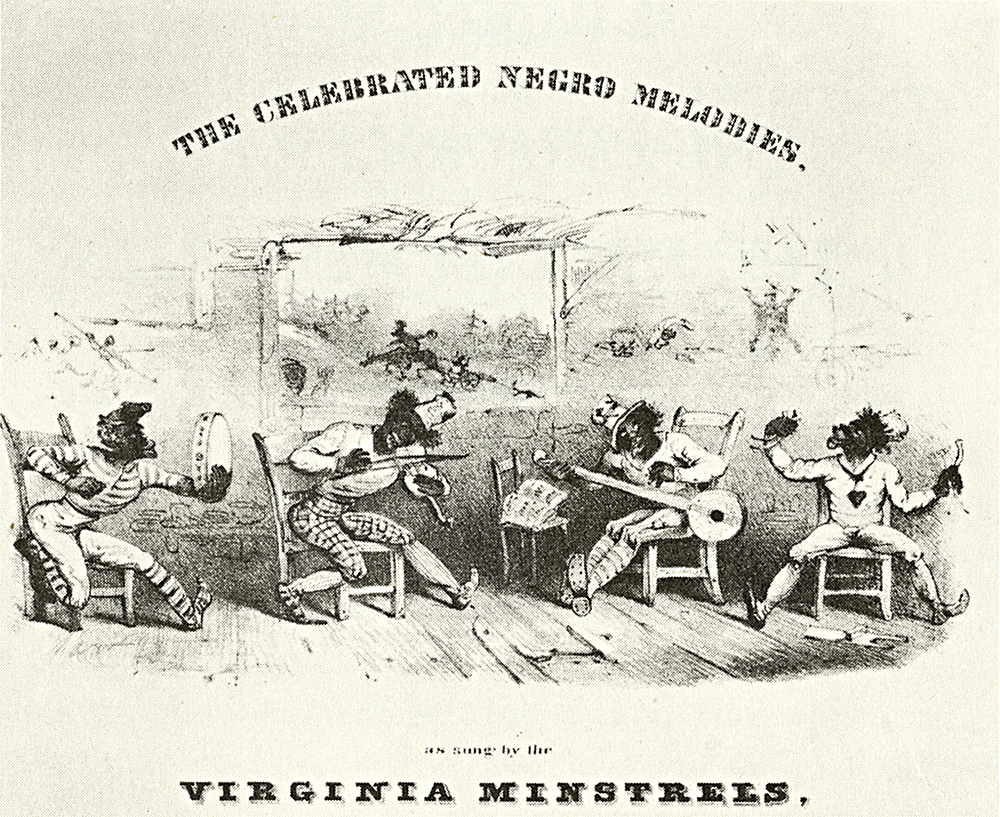
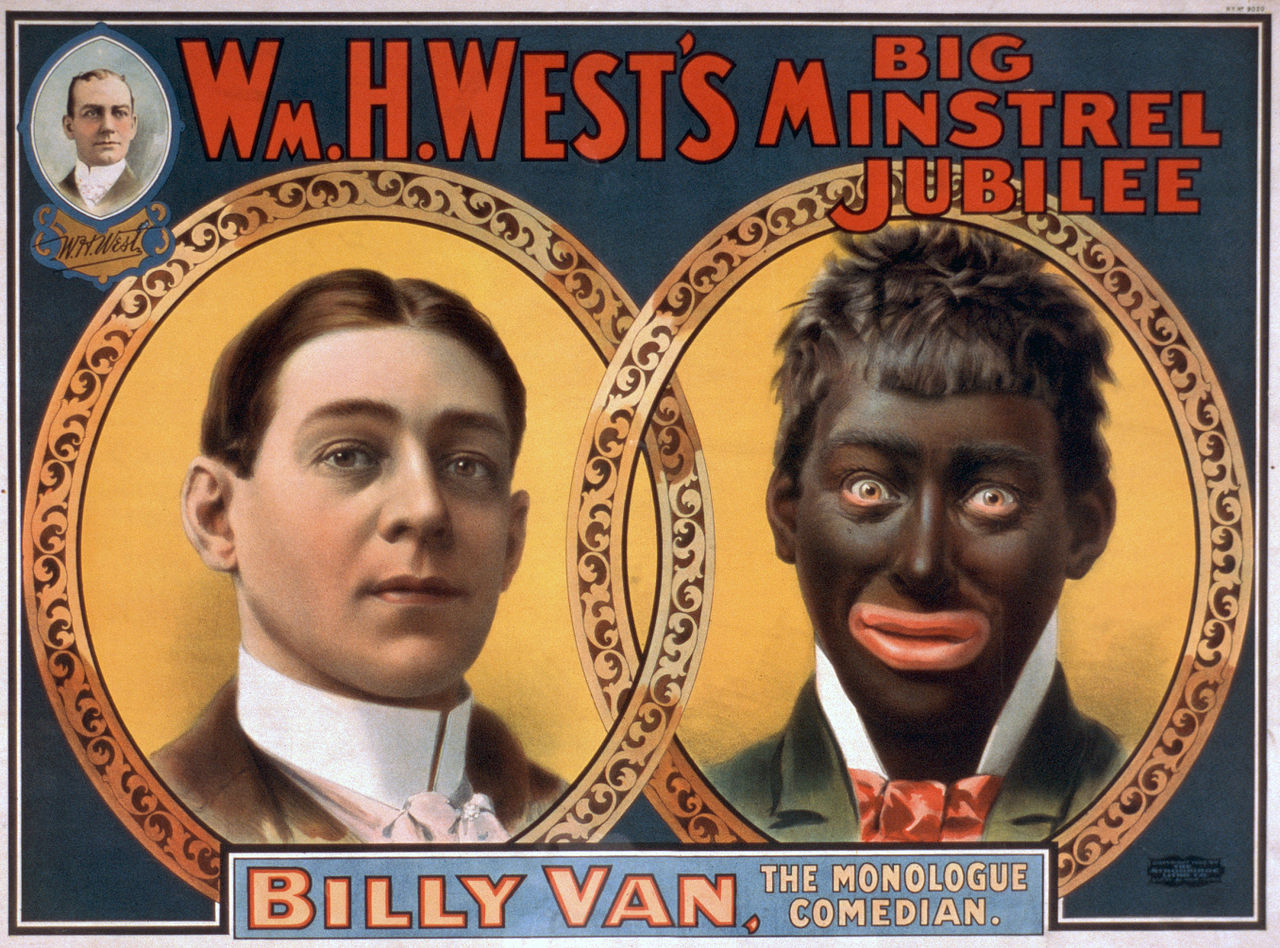
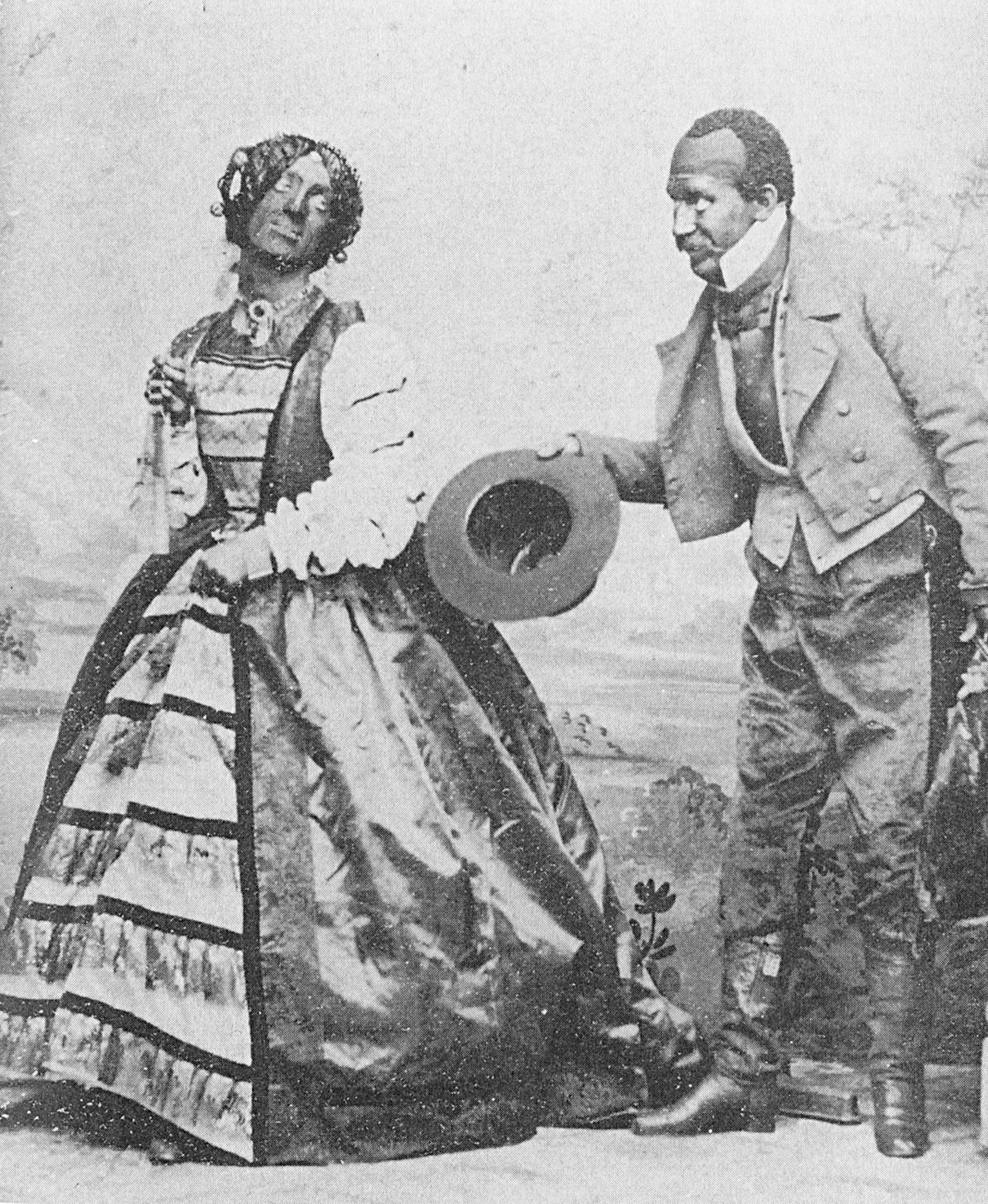
The minstrel show was a popular form of American stage entertainment that emerged in the early 19th century. Performances combined comic sketches, musical numbers, dancing, and variety acts that presented caricatured portrayals of people of African descent. These presentations were most often performed by white actors wearing blackface makeup, although African American performers and troupes also participated, sometimes adopting the same conventions in order to work within the theatrical marketplace of the time. Minstrelsy was one of the most influential mass-entertainment forms in the United States during the mid-1800s and helped shape the nation's early popular music and theatrical vocabulary.
Image gallery
10 Images





Form and conventions
Minstrel shows typically followed a recognizable structure. The program often opened with a "line" or opening tableau in which performers stood in a semicircle, exchanging jokes and songs led by an interlocutor flanked by two comic endmen, commonly called Mr. Tambo and Mr. Bones. The second portion — an olio or variety segment — presented individual specialty acts, dances, and instrumental solos. The final part was an afterpiece: a short skit or burlesque with a loose plot, often set in a fictionalized Southern plantation or rural environment.
Common musical elements included songs, banjo and fiddle tunes, and percussive instruments such as bones and tambourine. Dances like the cakewalk were popularized on minstrel stages before entering broader popular culture. Stock characters and catchphrases reinforced a theatrical grammar that audiences quickly recognized, while the blackface make-up itself became an instantly legible signal to viewers about the kind of humor and stereotypes they were to expect.
History and development
Minstrelsy emerged in the 1820s and 1830s in urban Northern theaters and taverns, expanding into a nationwide phenomenon by the mid-19th century. Performers and managers developed touring companies, published sheet music for popular minstrel songs, and adapted material for new audiences. By the late 1800s the format began to wane in dominance as new entertainment forms — notably vaudeville, recorded music, and motion pictures — offered alternative attractions. Nevertheless, many songs, dances, and comic routines that originated in minstrel shows migrated into other entertainment genres.
Legacy and criticism
While minstrelsy contributed to the spread of certain musical and theatrical forms in American culture, it is now understood primarily for its role in propagating harmful racial stereotypes. The exaggerated portrayals of African Americans as simple-minded, lazy, or buffoonish reinforced social prejudices and provided cultural cover for discriminatory attitudes and policies. The persona of "Jim Crow," a product of early minstrel performance, became an enduring symbol whose name was later used to describe the segregationist laws and practices in the United States. African American performers who worked in or against the minstrel tradition often faced painful choices: they could gain professional work and visibility but sometimes at the cost of perpetuating demeaning images.
Notable features and distinctions
- Blackface performance: The cosmetic technique that visually defined minstrelsy and marked its caricature.
- Stock roles: Interlocutor and endmen formed the comic back-and-forth central to many sketches.
- Musical influence: Certain instruments and dances associated with minstrelsy entered mainstream entertainment.
- Varied participation: Both white and Black performers were involved, but the power dynamics and audience reception differed sharply.
Further reading and resources
For additional historical context and analysis, see contemporary and modern sources listed below. These links point to collections and discussions about minstrelsy, its performers, and its cultural effects:
- Early minstrel performance records and archives
- Studies of blackface and theatrical makeup
- Collections of minstrel sheet music and songs
- Research on African cultural influences in American music
- Accounts of white performers and touring companies
- Visual examples and photographs of blackface performance
- Biographies of notable minstrel entertainers
- Histories of African American minstrel troupes
- Analyses of racial caricature in 19th-century theater
- Origins and transformation of burlesque and variety shows
- Regional examinations: Northeastern and Southern circuits
- Transition from minstrelsy to vaudeville and recorded media
- Contemporary discussions on legacy, memory, and reparative approaches
Understanding minstrel shows requires balancing recognition of their historical popularity and artistic influence with clear acknowledgment of the deep and lasting harm their portrayals inflicted. As scholarship and public conversations continue, minstrelsy's place in cultural history is studied both as an entertainment phenomenon and as a vehicle that normalized racial stereotypes in American life.
Author
AlegsaOnline.com Minstrel show (19th-century American stage entertainment) Leandro Alegsa
URL: https://en.alegsaonline.com/art/142749