
Mary Harris 'Mother' Jones: Labor Organizer and Advocate for Workers' Rights
Mary Harris Jones (1837–1930), known as Mother Jones, was an Irish-born American labor organizer who championed miners, textile workers and child labor reforms and helped found the IWW.
Overview
Mary Harris Jones (1837–November 30, 1930), commonly called "Mother Jones," was an influential labor organizer in the United States. Born in County Cork, Ireland, she became a prominent voice for industrial workers, especially miners and children employed in factories. Before her full-time activism she worked as a schoolteacher and a tailor, skills that later helped her communicate with and organize working people.
Image gallery
10 Images


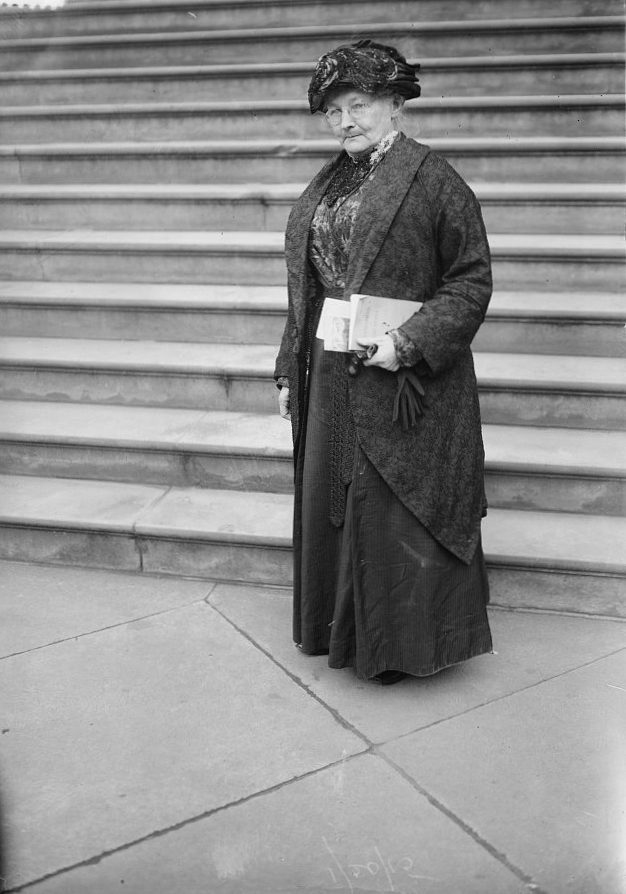
Early life and turning points
Her life was shaped by several tragedies and events that pushed her into public work. In 1867 a yellow fever epidemic claimed the lives of her husband and their four young children, one of several losses that altered her path. Later, she lost a dressmaking shop in the Great Chicago Fire of 1871 and with it almost all her possessions. These personal disasters coincided with a growing labor movement in the United States and helped direct her energy toward labor causes.
Entry into labor activism
Jones became active with groups that sought to improve wages and working conditions. She was associated with the Knights of Labor, an early national organization that accepted women and Black workers, and in 1905 she helped found the Industrial Workers of the World (IWW), a radical trade union aimed at organizing across trades. Her work ranged from organizing unions to supporting strikes and offering practical aid to striking families.
Methods, reputation and organizing style
Jones was famed for her forceful public speaking and her ability to connect with audiences through plain language and storytelling. Colleagues and contemporaries dubbed her "Mother Jones" around 1897 in recognition of her maternal support for miners and their families. She used humor, moral appeals and vivid anecdotes to mobilize crowds and to win sympathy for labor causes. Her organizing frequently crossed regional and ethnic lines and she was known to stand shoulder to shoulder with rank-and-file workers.
Notable campaigns and actions
- Child labor reform: In 1903 she organized a protest march drawing attention to the harsh conditions faced by working children, leading a group of young workers from Philadelphia toward President Theodore Roosevelt's home in New York to demand change.
- Coal and mining struggles: She spent decades organizing miners in the Appalachian region and other mining districts, supporting strikes and relief for mining families.
- Public demonstrations and arrests: Her activism sometimes led to imprisonment and clashes with authorities, which she often used to spotlight labor injustices.
Legacy and honors
Mother Jones remained an emblematic figure of early 20th-century labor activism until her death in 1930. Her advocacy influenced later labor legislation and public awareness of factory and mine conditions. She has been commemorated in histories, biographies and memorials; in 1992 she was posthumously honored by the U.S. Department of Labor when she was inducted into its Hall of Honor. Modern labor organizations, historians and social movements continue to cite her example. For more context on her life and the organizations she worked with, see materials associated with the tailoring trade, the yellow fever epidemics that shaped 19th-century public health responses, and accounts of the Great Chicago Fire. Additional resources discuss the broader networks of labor associations (labor associations) and later labor policy debates involving figures like President Roosevelt (presidential responses) and the cities where marches began or ended (Philadelphia, New York).
Her life story is documented in numerous archives and popular histories; readers can follow primary-source collections and institutional writeups by consulting repositories and dedicated labor history projects (U.S. Department of Labor, historical collections and union archives). For introductory materials and curated exhibits, see links connected to labor history portals and museum pages (teacher resources, craft and trade histories, IWW histories).
Author
AlegsaOnline.com Mary Harris 'Mother' Jones: Labor Organizer and Advocate for Workers' Rights Leandro Alegsa
URL: https://en.alegsaonline.com/art/142348