
Knights of Labor
A major American labor organization of the late 19th century that championed worker inclusion, political reform, and cooperative enterprise; rose to prominence under Terence V. Powderly before declining after the 1880s.
Overview
The Knights of Labor emerged as one of the most influential U.S. labor organizations of the late 19th century. Initially organized in secrecy, it transformed into a broad, public movement that sought to unite wage earners across trades and backgrounds. Under notable leaders such as Terence V. Powderly, the group pressed for economic and social reforms rather than narrow craft protectionism.
Image gallery
4 Images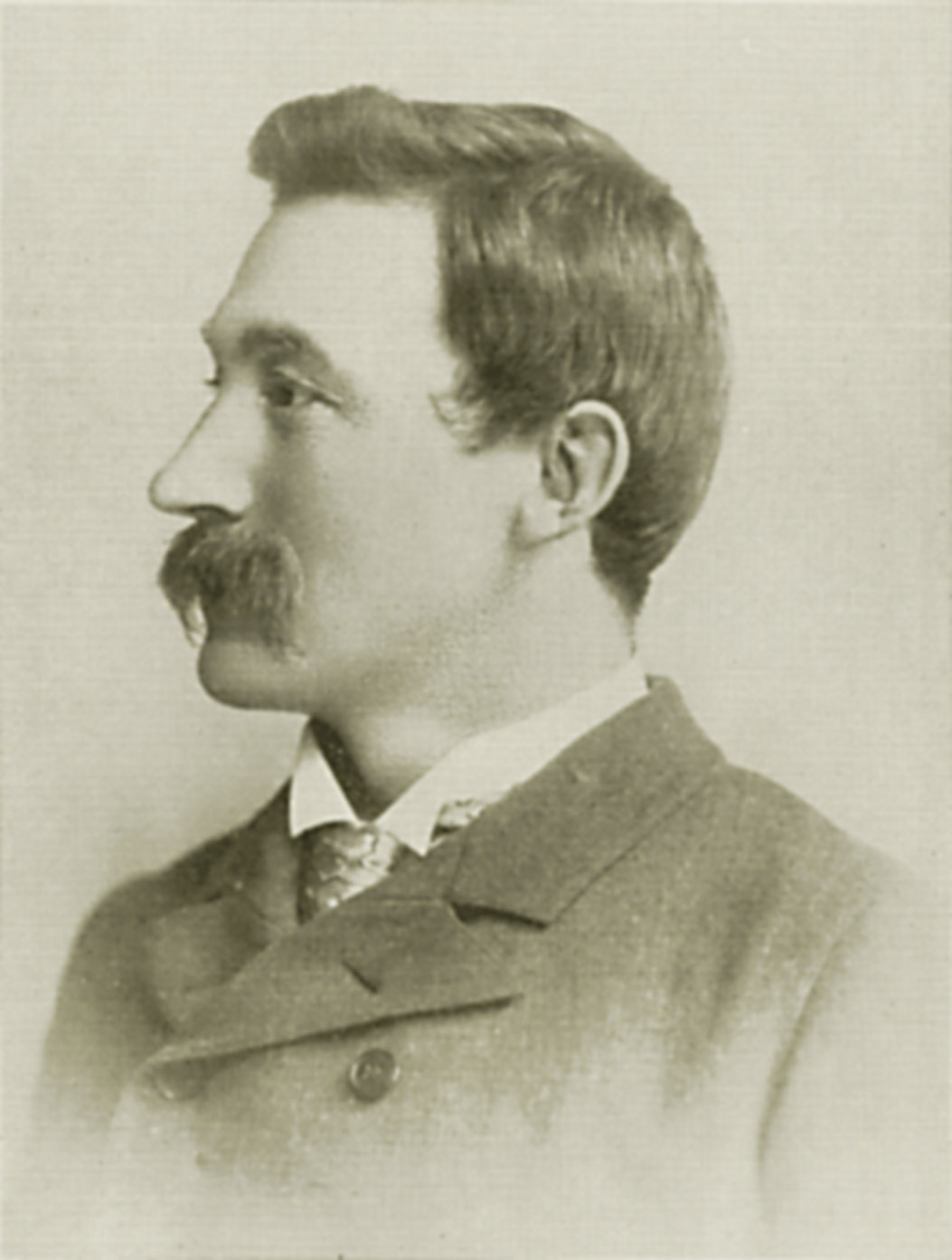


Origins and organization
Founded in the post–Civil War era, the Knights began as a secret society with fraternal customs and protective measures for members. Over time the group abandoned many of its clandestine practices; its early secrecy and ceremonial features were later described as having secret society elements and elaborate rituals. Local units, often called assemblies, fed into a national structure that promoted cooperative enterprises and political engagement.
Goals and activities
The Knights championed an agenda that went beyond immediate wage disputes. Its program typically included support for the eight-hour workday, the abolition of child labor, equal pay for equal work, and the use of arbitration to resolve labor disputes. Members also endorsed worker cooperatives and broader economic reforms intended to reduce reliance on speculative finance and to expand worker control of production.
History and influence
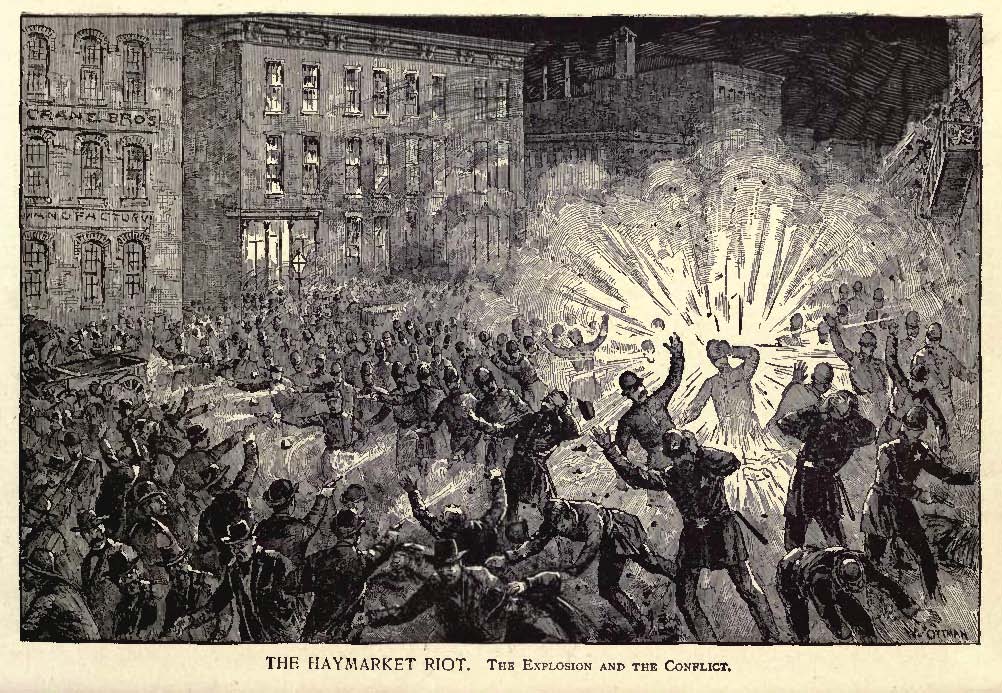
Membership expanded rapidly in the 1880s as the Knights attracted both skilled and unskilled workers, women, and African Americans in many regions (while excluding some immigrant groups in practice). The organization sometimes refrained from strikes, preferring negotiation, but it was caught up in the labor unrest of the era. Events such as the Haymarket affair and increasing internal tensions contributed to a sharp loss of public support and a subsequent decline in influence toward the end of the decade.
Distinctive features and legacy
Unlike craft unions that concentrated on skilled trades, the Knights sought inclusive, industrial-wide reforms and a cooperative alternative to pure wage labor. Their broad vision helped popularize ideas—like the eight-hour day and cooperative production—that later labor movements and reformers adopted. Although the organization faded, many of its goals influenced subsequent unions and progressive legislation in the United States.
Notable facts
- Key leaders included Terence V. Powderly, who moved the group into public politics and mass organizing.
- The Knights combined fraternal organization practices with political advocacy and workplace reform.
- The decline of the Knights paved the way for more narrowly focused trade unions, such as those that later formed the American Federation of Labor.
Questions and answers
Q: Who was one of the first leaders of the Knights of Labor?
A: Terence V. Powderly was one of the first leaders of the Knights of Labor.
Q: What was the Knights of Labor?
A: The Knights of Labor was one of the most important American labor organizations of the 1880s.
Q: When did the Knights of Labor become more of an open group?
A: The Knights of Labor became more of an open group by 1878.
Q: Why did the Knights of Labor greatly expand their membership in the 1880s?
A: The Knights of Labor greatly expanded their membership in the 1880s.
Q: What were the original rituals of the Knights of Labor?
A: The Knights of Labor had many elaborate rituals when they started as a secret society.
Q: When did the Knights of Labor become the largest American labor organization?
A: The Knights of Labor became the largest American labor organization during the 1880s.
Q: Who greatly expanded their membership in the 1880s?
A: The Knights of Labor greatly expanded their membership during the 1880s.
Related articles
Author
AlegsaOnline.com Knights of Labor Leandro Alegsa
URL: https://en.alegsaonline.com/art/53984