
Theodore Roosevelt (1858–1919)
26th U.S. president, reformer, conservationist, Rough Rider leader and Nobel Peace Prize laureate; championed the Square Deal, trust-busting, and national parks.
Overview
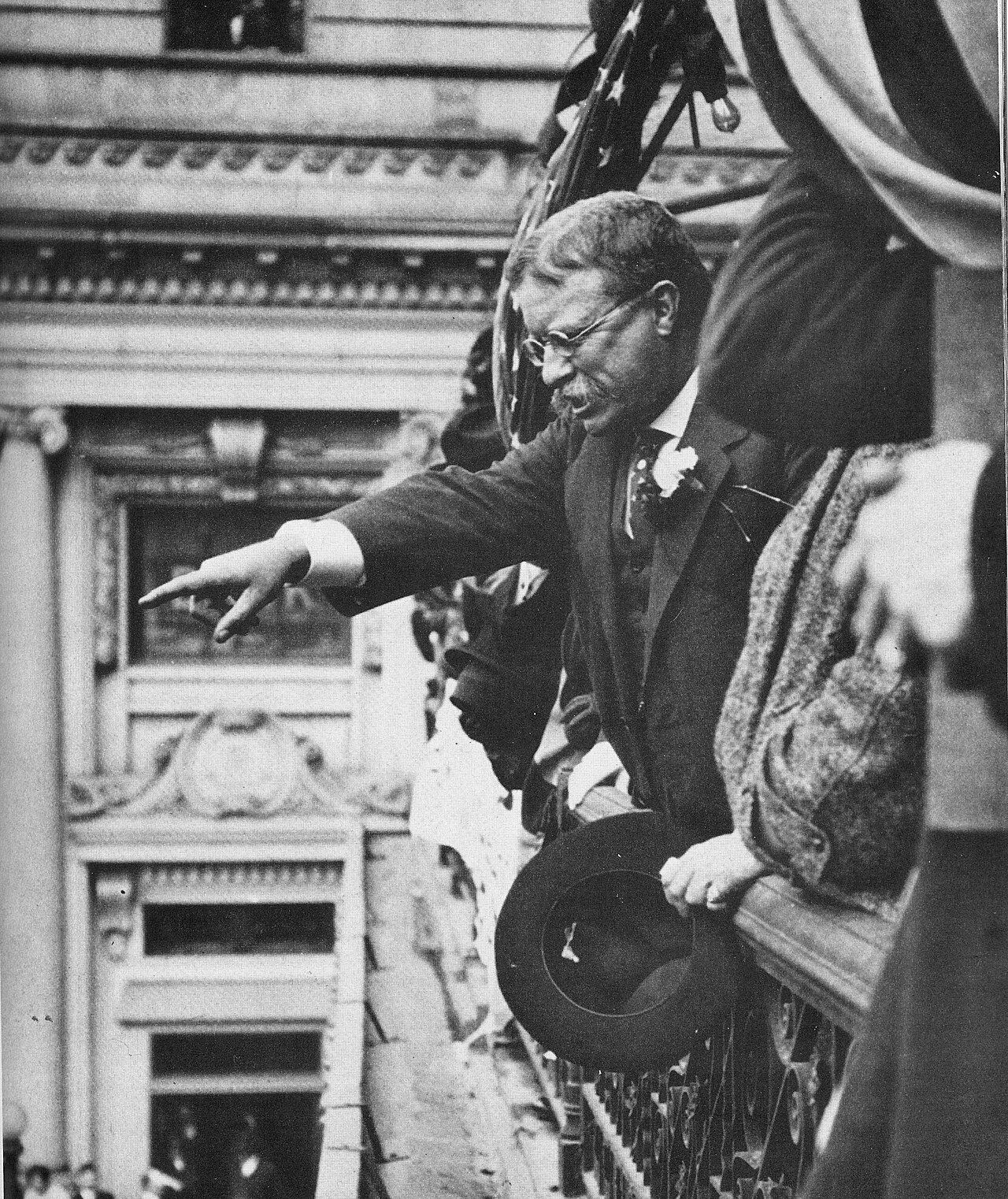
Theodore "Teddy" Roosevelt (October 27, 1858 – January 6, 1919) served as the 26th President of the United States from 1901 to 1909. He assumed the presidency at age 42 after the assassination of William McKinley, becoming the youngest person to hold the office. Roosevelt is remembered as a vigorous public figure: a statesman, soldier, writer and conservationist whose policies reshaped federal power and public expectations of government.
Image gallery
10 Images




Early life and rise to prominence
Born into a wealthy family in New York City, Roosevelt overcame childhood asthma through outdoor pursuits and rigorous study. He began his public career as a state legislator and later served as New York City police commissioner and Assistant Secretary of the Navy. His national profile rose after leading the volunteer Rough Riders at the Battle of San Juan Hill in the Spanish–American War (1898).
Presidency and policies
As president Roosevelt pursued an activist agenda summarized by the "Square Deal," which sought fairness for workers, consumers and small businesses. He enforced antitrust laws against large corporate combinations, advocated regulatory measures such as the Pure Food and Drug Act, and supported labor rights in high-profile disputes. He also promoted a robust foreign policy and modernized the U.S. Navy.
Conservation and international role
Roosevelt was an early and influential conservationist, establishing national forests, wildlife refuges and national parks to protect natural resources. He played a key role in advancing construction of the Panama Canal, using diplomatic pressure and American influence to secure a canal zone. In 1906 he won the Nobel Peace Prize for mediating the Russo–Japanese War, the first American to receive the honor.
Later career and legacy
After leaving the White House Roosevelt remained active in public life, winning the 1904 election outright and later running in 1912 as the Progressive "Bull Moose" candidate, splitting the Republican vote. He authored many books and essays on politics, nature and history. Roosevelt's energetic persona, commitment to reform, and conservation achievements left a lasting imprint on American government and public policy.
Notable facts
- Youngest to become U.S. president (assumed office at 42).
- Leader of the Rough Riders in 1898.
- Instrumental in establishing the national conservation movement.
- Recipient of the 1906 Nobel Peace Prize.
- See more about his presidency: 26th President.
Author
AlegsaOnline.com Theodore Roosevelt (1858–1919) Leandro Alegsa
URL: https://en.alegsaonline.com/art/131753