
Mario J. Molina
Mexican chemist and Nobel laureate noted for discovering how chlorofluorocarbons deplete stratospheric ozone and for influencing global environmental policy.
Mario J. Molina (1943–2020) was a Mexican chemist whose research on human-made chemicals transformed scientific understanding of the atmosphere and helped drive international policy. He shared the 1995 Nobel Prize in Chemistry with F. Sherwood Rowland and Paul Crutzen for work that explained how certain industrial gases damage the ozone layer. Molina combined laboratory studies, atmospheric chemistry modeling and public engagement to link molecular reactions to large-scale environmental change.
Image gallery
5 Images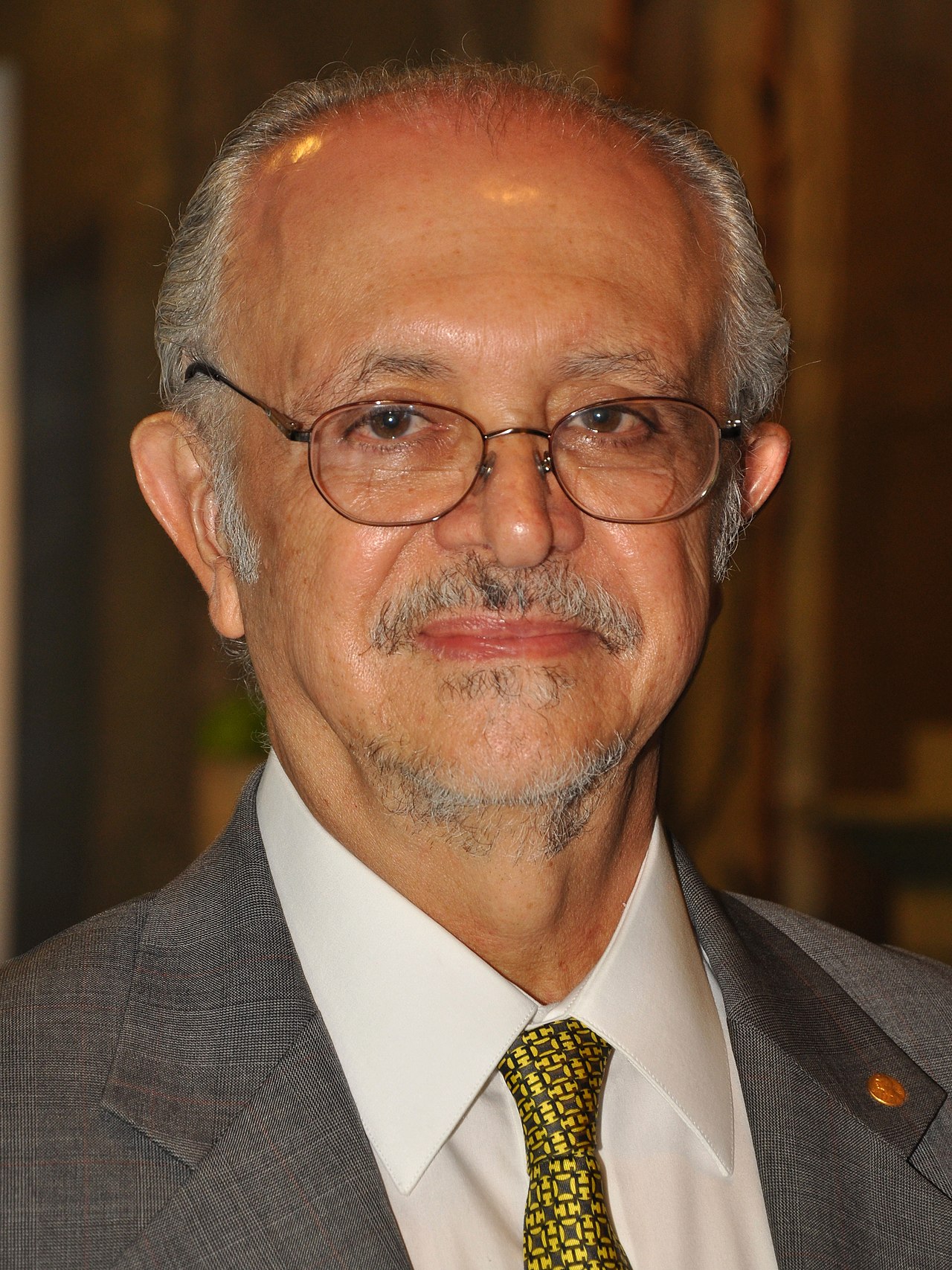


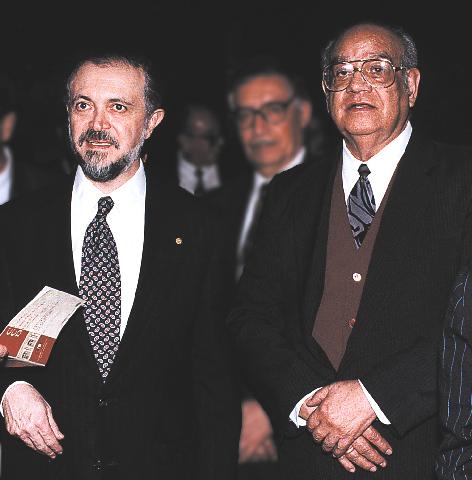
Scientific contributions
In a seminal 1974 paper with F. Sherwood Rowland, Molina described how chlorofluorocarbons (CFCs), widely used as refrigerants and propellants, can reach the stratosphere and release chlorine atoms that catalytically destroy ozone. This mechanism showed that long-lived, low-reactivity molecules at the surface could have delayed but profound effects in the upper atmosphere. The findings explained observations of seasonal and regional ozone depletion, including the dramatic summertime thinning over Antarctica often called the "ozone hole." The work combined chemical kinetics, transport processes and field measurements to demonstrate a previously unrecognized global vulnerability.
Policy impact and legacy
Molina’s science had rapid policy consequences. His research helped build a scientific consensus that led to international action, most notably the 1987 Montreal Protocol, which phased down production of ozone-depleting substances. Beyond ozone, Molina later spoke and wrote about air pollution, climate change and energy policy, advising governments and multinational bodies and serving on scientific committees. He was one of the Nobel laureates who supported global sustainability efforts and signed high-profile declarations urging urgent action on environmental challenges.
Biography and career
Molina was born in Mexico City on March 19, 1943. He studied chemical engineering and chemistry at the National Autonomous University of Mexico, continued graduate work in Germany and completed a doctorate at the University of California, Berkeley. Over his career he held research and academic positions in North America and Mexico, combining fundamental research with outreach and policy engagement. He received numerous honors for both scientific achievement and public service and became the first Mexican recipient of the Nobel Prize in Chemistry.
Selected roles and public engagement
- Co-author of key research that linked CFCs to stratospheric ozone loss
- Nobel Prize in Chemistry (1995), recognized jointly with Rowland and Crutzen — work that clarified atmospheric chemical cycles
- Active participant in international scientific advisory panels and sustainability initiatives, including collaborative statements on climate risk and environmental stewardship
Molina’s career illustrates how focused laboratory inquiry can reveal planetary-scale problems and inform policy. He continued to advocate for science-based decision making until his death on October 7, 2020. His legacy endures in cleaner air regulations, the ongoing recovery of the ozone layer under the Montreal Protocol framework, and a generation of atmospheric scientists influenced by his integrative approach to chemistry and the environment. For more on his life and work see scientific reviews and institutional summaries available through trusted sources and archives.
Further reading and resources: Nobel Prize information, ozone research summaries, explanations of the ozone hole, climate and policy reports.
Author
AlegsaOnline.com Mario J. Molina Leandro Alegsa
URL: https://en.alegsaonline.com/art/142245