
Lon Chaney Jr.: American character actor and Universal horror star
American character actor (1906–1973), son of Lon Chaney Sr., best known for his portrayal of the Wolf Man and for his dramatic role as Lennie in Of Mice and Men.
Overview
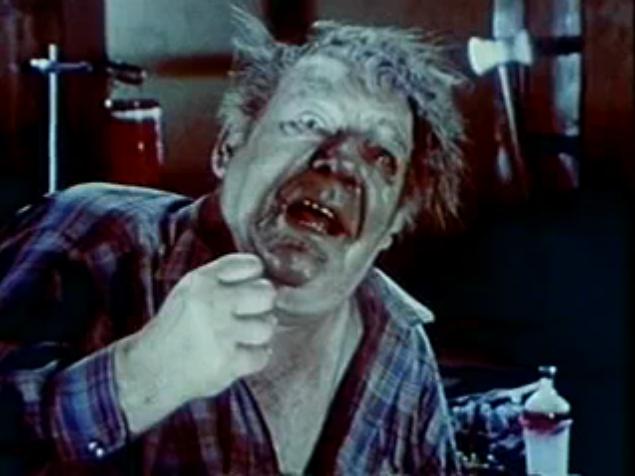
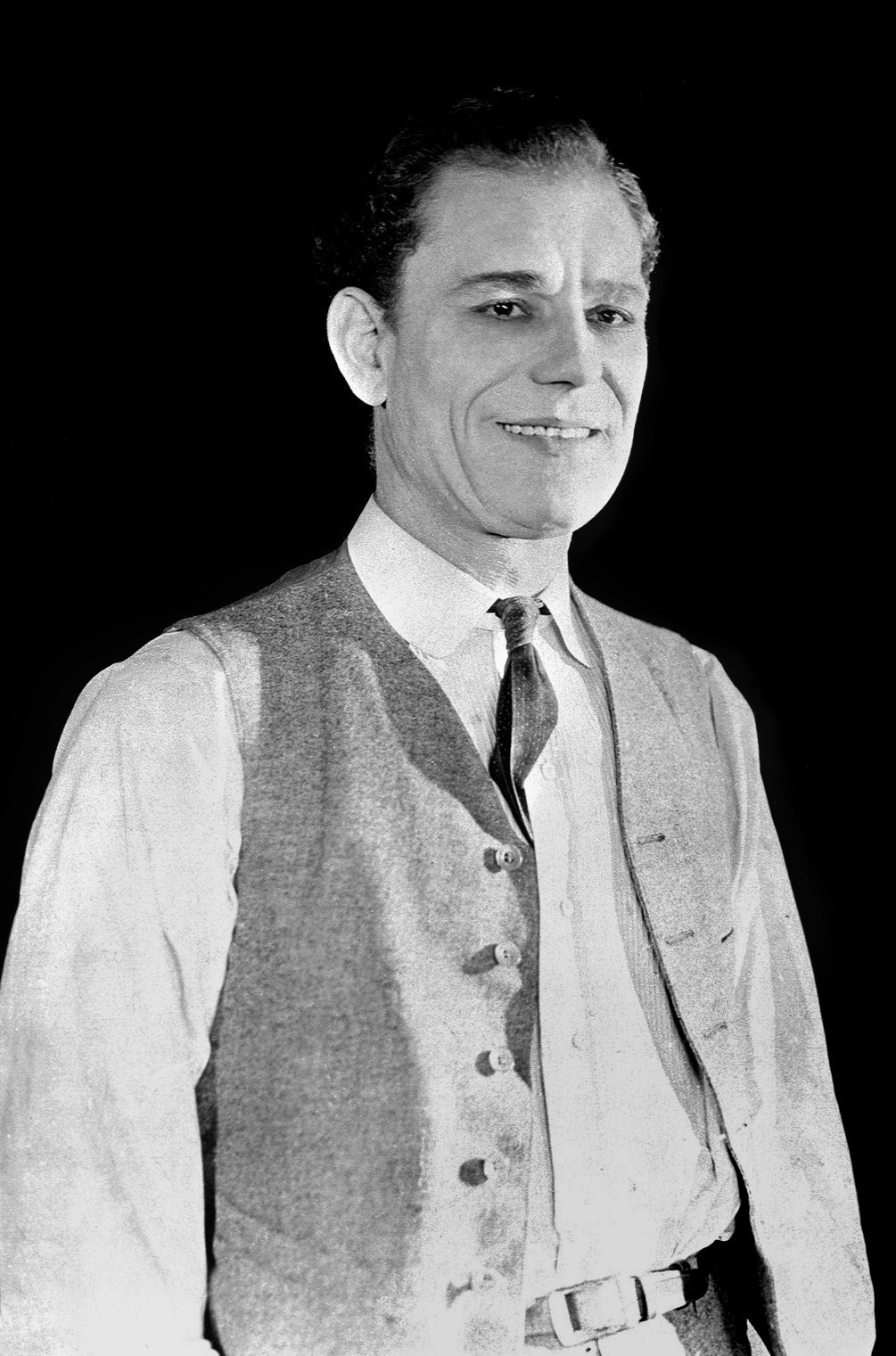
Lon Chaney Jr. (born Creighton Tull Chaney; February 10, 1906 – July 12, 1973) was an American character actor whose long film career made him one of the most recognizable faces of mid‑20th‑century genre cinema. He is widely remembered for the title role in Universal's werewolf cycle and for steady work across horror, drama, westerns and later television. Chaney was the son of the silent film star Lon Chaney Sr., but he built a distinct career and public identity under his adopted professional name.
Image gallery
10 Images



Early life and name
Born in Oklahoma, he was raised in a family with ancestry traced to England, France and Ireland. Early in his working life he used his birth name, Creighton Chaney, when he began appearing in films in the early 1930s. Beginning in the mid‑1930s he adopted the name Lon Chaney, Jr. in part to acknowledge his parentage and to benefit from the recognition associated with his father's career.
Career and signature roles
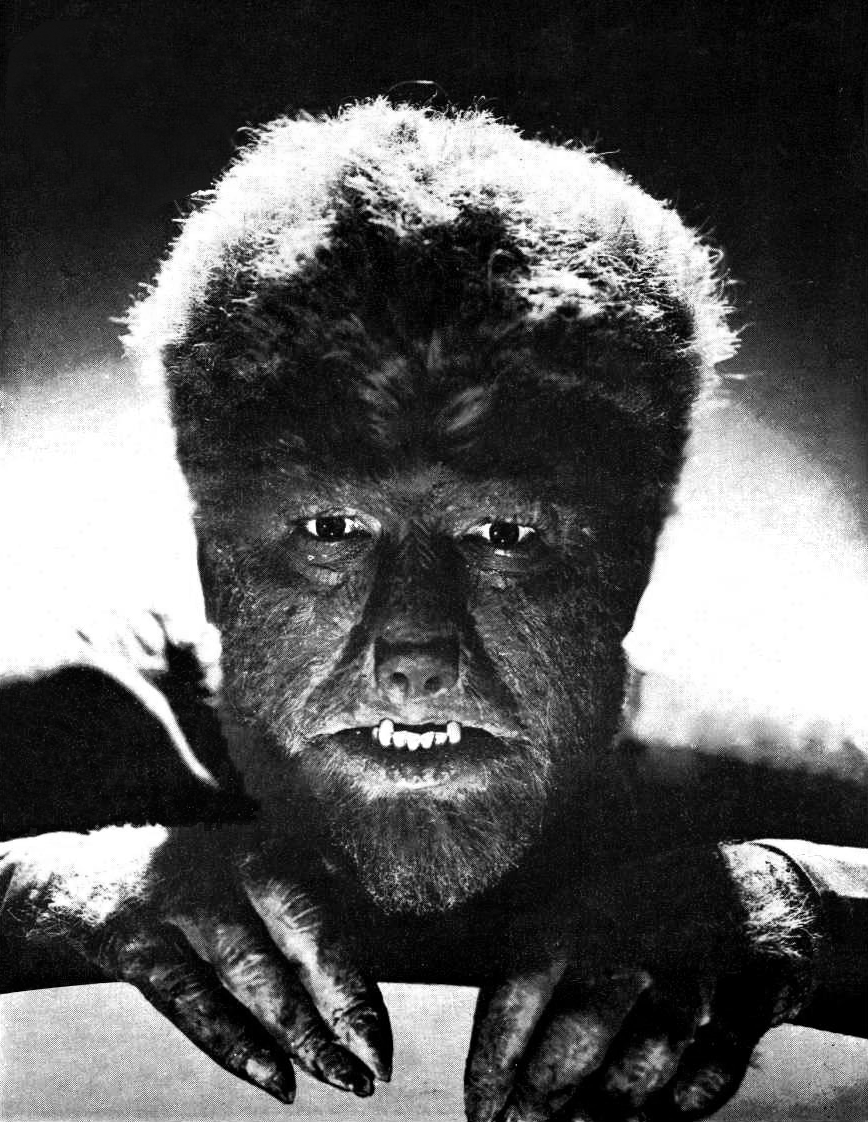
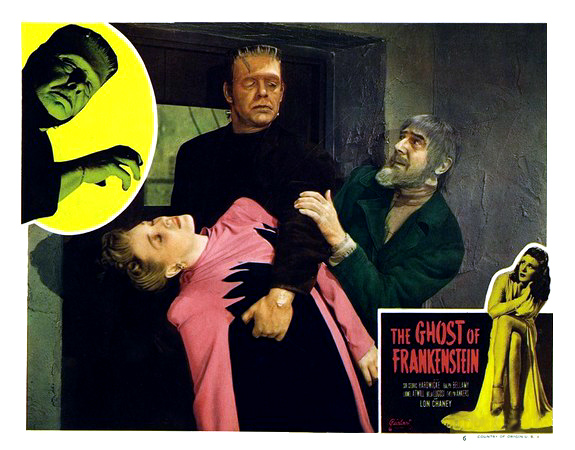
Chaney's career included supporting and leading parts across studio pictures. He became particularly associated with Universal Pictures' lineup of horror features. His most famous screen identity was the werewolf Larry Talbot in The Wolf Man, a role that he revisited in subsequent Universal productions and crossover films. While best known for horror, he also received notable dramatic attention for his portrayal of Lennie Small in the studio adaptation of Of Mice and Men, a performance that showed his ability to handle sympathetic, weighty material beyond monster roles. Film historians often note how his physical presence and expressive face suited both fright pictures and restrained drama.
Selected films and later work
- The Wolf Man (the role that defined his popular image)
- Appearances in Universal sequels and monster crossovers that kept his Wolf Man persona in circulation
- Film adaptation of Of Mice and Men, where he played Lennie
- Many supporting parts in westerns, war films and later television series
Over a career that spanned several decades he appeared in a large number of pictures and made frequent guest appearances on television, sustaining a steady presence for audiences of successive eras. Examples of his varied work are discussed in many film guides and retrospectives covering his movies.
Personal life and death
Chaney's personal life included struggles common to many working actors of his time, including health problems and difficulties related to the pressures of constant production. He continued to work into the 1960s and early 1970s. He died in California on July 12, 1973; contemporary reports listed heart failure as the cause. Despite these hardships, his body of work has continued to attract attention from fans and scholars.
Legacy
Although often introduced as the son of Lon Chaney Sr., Lon Chaney Jr. established a recognizable screen identity that influenced later popular depictions of monsters, especially the cinematic werewolf. His work is covered in film histories and by classic‑movie enthusiasts, and archival and reference collections contain materials related to his life and career tracing family background and professional records. For further information, consult film archives and reputable histories of the studio era and the horror genre that document his roles and reception over time.
Researchers and fans seeking primary documentation or in‑depth study will find biographical entries, filmographies and studio files useful; film scholarship continues to reassess his contributions to both popular and serious screen work, and his image remains central to the iconography of classic American horror.
Additional reference entries and curated materials are available through film libraries and dedicated collections; contemporary commentary and retrospective essays provide context for his career and its place within the broader history of American cinema and genre studies.
Author
AlegsaOnline.com Lon Chaney Jr.: American character actor and Universal horror star Leandro Alegsa
URL: https://en.alegsaonline.com/art/141797