
Brigitte Kronauer: German novelist and stylist of subtle irony
Overview of Brigitte Kronauer (1940–2019), her literary style, major recognition including the Georg Büchner Prize, themes, reception and legacy in contemporary German literature.
Overview
Brigitte Kronauer (29 December 1940 – 22 July 2019) was a German author known for her finely crafted prose and ironic observation of social life. Born in Essen, she wrote novels, short fiction and essays that attracted attention for their linguistic precision. Her work earned wide critical recognition and she received the prestigious Georg Büchner Prize in 2005, one of the highest honors in German literature.
Image gallery
1 Image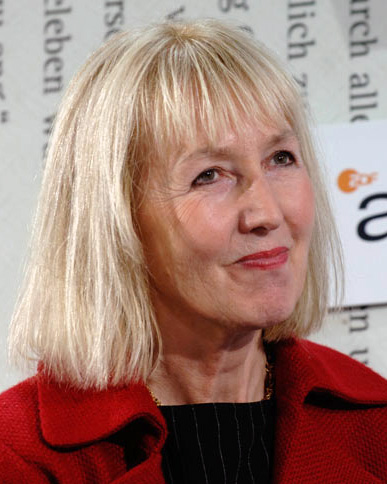
Style and themes
Kronauer's writing is frequently noted for long, sinuous sentences, subtle humor and an often ironic distance toward her characters. She tended to focus on intimate, everyday situations and used detailed description to probe personality, social manners and the small absurdities of life. Recurring themes include loneliness, self-deception, social position and the gap between inner experience and outward behavior.
Career and critical reception
During her career she published a series of works that won praise for stylistic originality and verbal virtuosity. Critics commended her command of tone and rhythm, while some readers found her sentences demanding. Reviews and scholarly discussion often emphasize the balance in her work between sympathy for characters and a cool, sometimes comical, analytic gaze.
Notable aspects
- Language: precise, elaborate sentences and attention to sound and cadence.
- Tone: ironic, gently satirical but attentive to human vulnerability.
- Form: novels and short prose that blend narrative with reflective passages.
- Awards: recipient of major literary honors, most prominently the Georg Büchner Prize.
Legacy
Kronauer's death on 22 July 2019 in Hamburg marked the close of a distinctive voice in postwar German letters. Her work continues to be discussed in literary criticism and taught in courses on contemporary German prose for its stylistic independence and keen social observation. Readers and scholars value her for shaping a precise, subtly ironic mode of storytelling that remains influential among German-language writers.
Related articles
Author
AlegsaOnline.com Brigitte Kronauer: German novelist and stylist of subtle irony Leandro Alegsa
URL: https://en.alegsaonline.com/art/14146
Sources
- abendblatt.de : "Brigitte Kronauer: Primadonna? Kein bisschen"
- deutscheakademie.de : "Urkundentext Brigitte Kronauer"
- pmnewsnigeria.com : Award winning German author Brigitte Kronauer dies at 78