
Briefs (short underwear)
Briefs are close-fitting short underwear for men and women. This article covers their design, materials, history, common variants, care, and cultural distinctions.
Overview
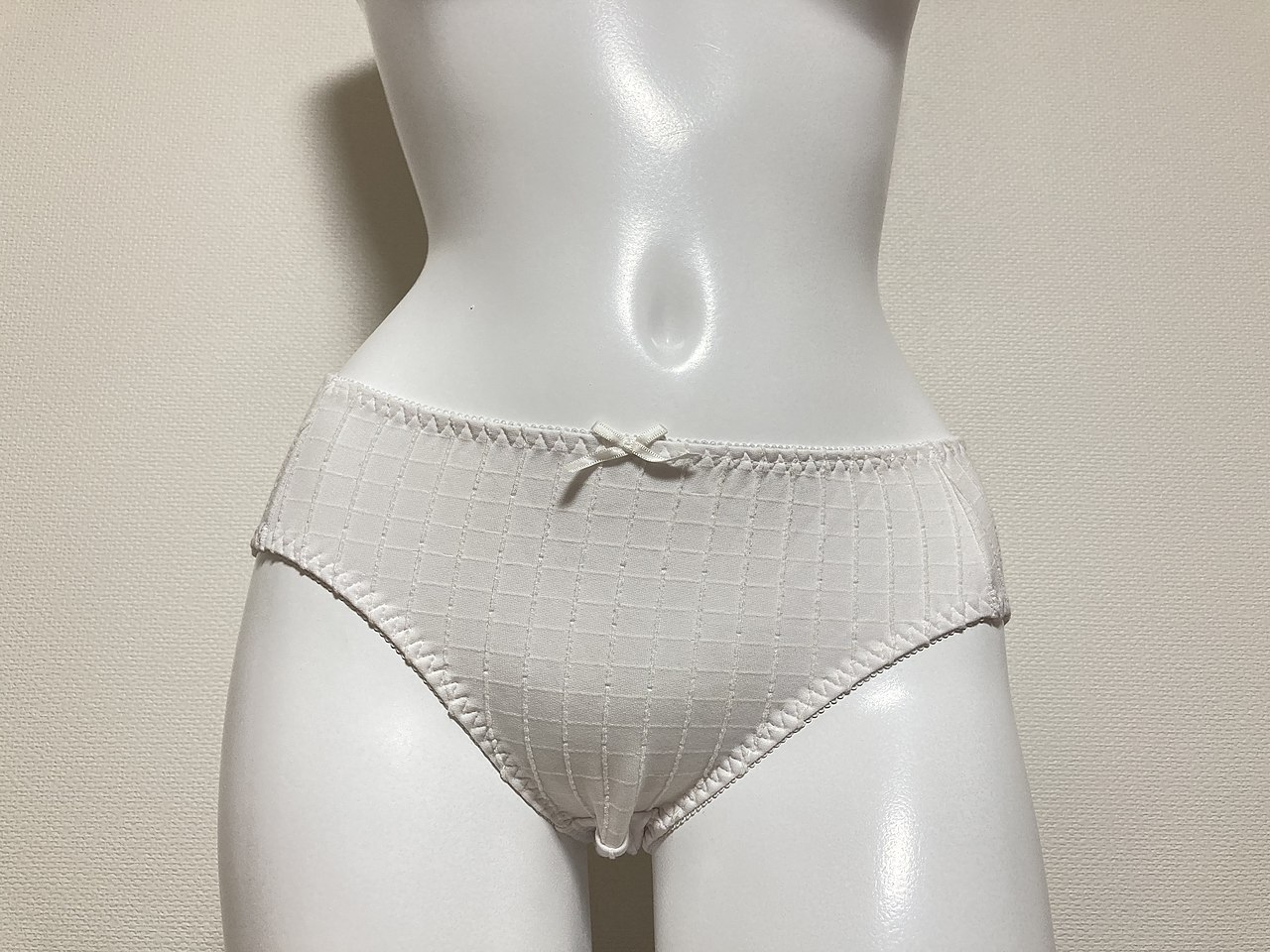
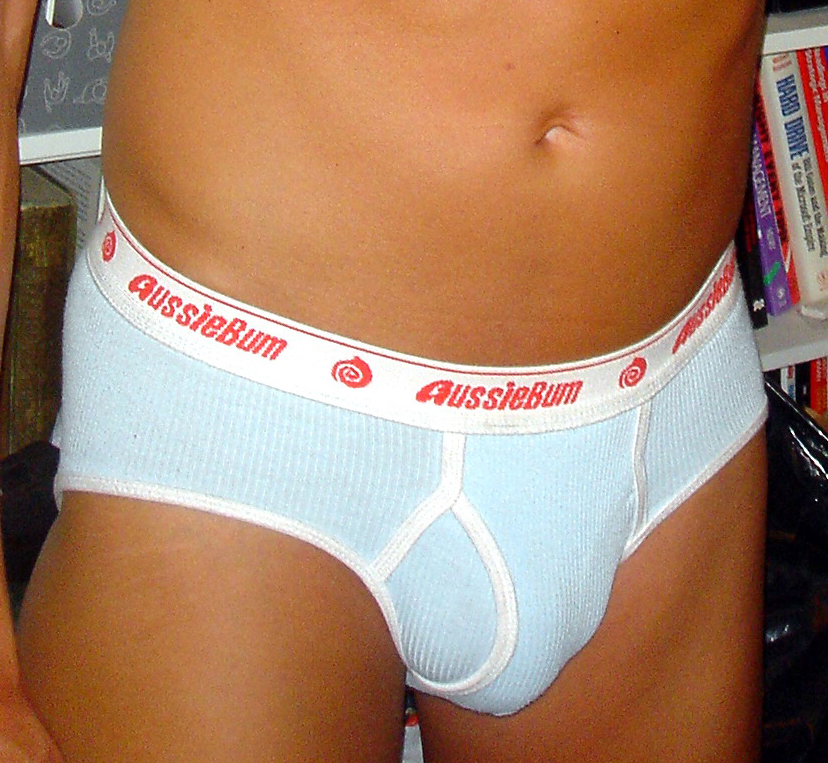
Briefs are a category of short, close-fitting undergarments worn by people of all genders. They are designed to cover the pelvic area and buttocks while providing support and freedom of movement. Often distinguished by a high-cut leg and a waistband that sits at or below the natural waist, briefs are one of the most enduring styles of underwear and are commonly referred to in everyday language simply as "briefs" or by regional names.
Image gallery
7 Images



Design and characteristics
Typical briefs have a simple construction: a front panel, a back panel, a crotch lining, and an elastic waistband. Materials commonly used include cotton, modal, microfiber blends, and sometimes silk or lace for dressier models. The waistband can be soft or firmer elastic; modern production favors comfortable, low-profile elastic that reduces marking and irritation.
- Fit: snug and supportive without excess fabric.
- Coverage: provides full front and rear coverage compared with lower-cut styles.
- Colors and finishes: available in neutral tones and bright colors; some styles include decorative trims or piping.
History and development
Briefs emerged in the early 20th century as a practical alternative to longer union suits and boxers. They gained popularity in the 1930s and 1940s, particularly among men seeking supportive undergarments. Over the decades, manufacturing and fashion changes introduced new fabrics and softer elastic waistbands to improve comfort. Women’s briefs developed along a parallel track and are often marketed under names such as panties or knickers in various English-speaking regions.
Variants and examples
There are many subtypes of briefs tailored to different needs:
- Classic briefs: traditional cut for general wear.
- Low-rise briefs: sit lower on the hips for modern clothing styles.
- High-cut briefs: higher leg openings for greater freedom of movement.
- Support briefs or boxer-brief hybrids: combine coverage with a snug profile.
Care, colors and practical notes
Briefs are typically machine washable; delicate fabrics or elastic trims may require gentle cycles or hand washing. Common colors include white, but manufacturers produce garments in a wide palette such as blue, pink and red. Budget brands may use stiffer waistband constructions to reduce costs, while fashion-focused lines often emphasize softer, flat elastics and decorative elements (fashion oriented).
Distinctions and cultural notes
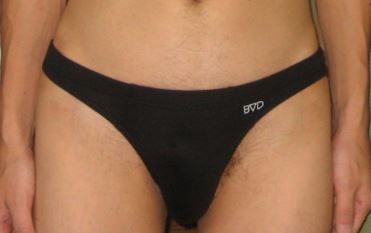
Briefs differ from other underwear by their combination of cut and support. Compared with boxers they are more form-fitting; compared with thongs they offer more coverage. Cultural perceptions of briefs vary by era and region—what is seen as everyday practical wear in one context may be styled or gendered differently in another. For further general information about underwear categories, see a basic reference on underwear.
Related articles
Author
AlegsaOnline.com Briefs (short underwear) Leandro Alegsa
URL: https://en.alegsaonline.com/art/14105