
Bretons: people, language and cultural identity of Brittany
The Bretons are an ethnic Celtic people of the Brittany region in north‑west France, known for their language Brezhoneg, distinct traditions, and origins linked to migrations from Great Britain in late antiquity.
Overview
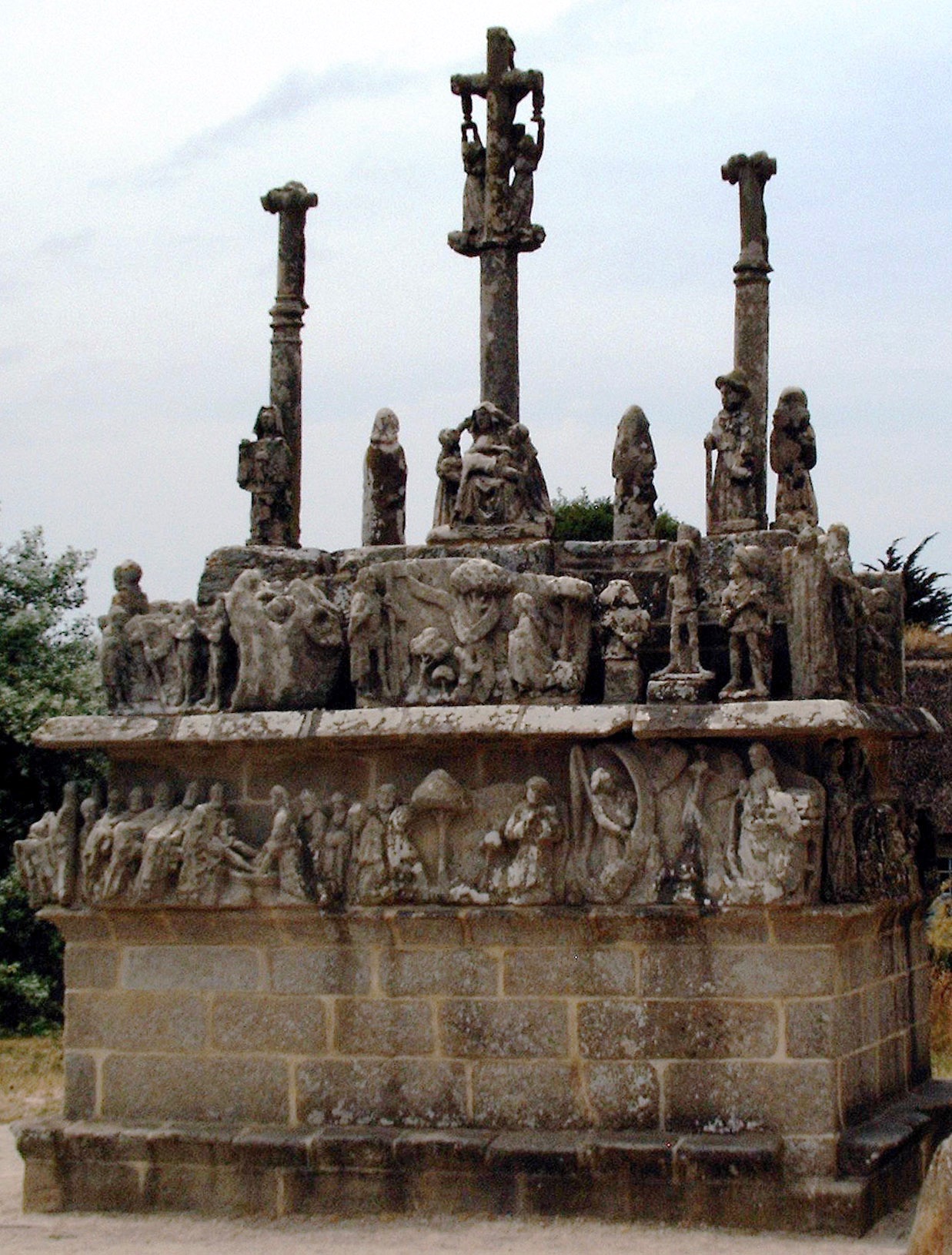
The Bretons are a people associated with the coastal region of Brittany in north‑western France. They form one of the modern Celtic groups of western Europe, with a regional identity shaped by language, music, folklore and a rural maritime history. The name of the region itself derives from these communities.
Image gallery
10 Images




Language and linguistic family
Many Bretons speak or identify with Brezhoneg, a Brythonic language that belongs to the Insular Celtic branch of the Celtic languages. Brezhoneg is closely related to Cornish and more distantly to Welsh. It shares grammatical features and vocabulary with those languages, although centuries of contact with French have left a strong imprint on modern Breton dialects.
Origins and early history
Breton identity developed after migrations from parts of south‑western Great Britain during the later Roman and early medieval centuries (commonly dated to the 4th–6th centuries). Settlers brought Brythonic speech and cultural elements that became dominant in the peninsula. Over time, local Gallic, Roman and later Frankish influences merged with that British heritage to form the distinct Breton culture.
Culture and social life
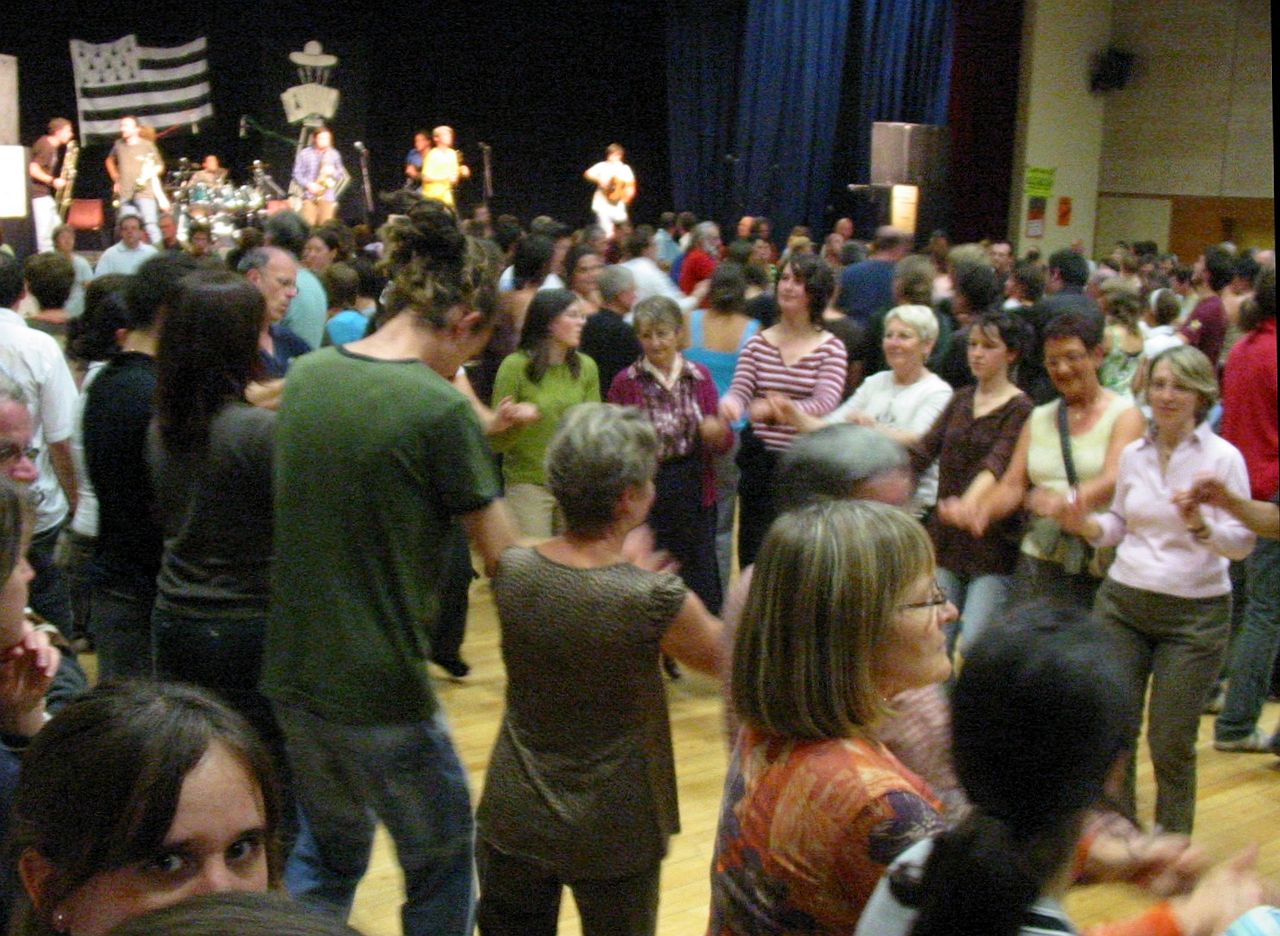
Traditional Breton culture includes a rich repertoire of folk music, dance, costume and artisanal crafts. Notable practices include bagpipe and bombarde music, community dances often performed at public gatherings, and seasonal festivals that celebrate saints, harvests and maritime life. Contemporary revival movements have reinforced interest in traditional arts, education in the language and regional media.
Languages of the region
In eastern parts of the peninsula a Romance regional language called Gallo developed; it is a langue d'oïl with its own vocabulary and pronunciation and coexists with Breton in areas where both have been used historically. This bilingual landscape shaped local literature and place names, and remains part of the region's linguistic heritage.
Modern situation and significance
Today the Breton population is woven into the wider fabric of the French state, yet regional identity remains salient in cultural institutions, schools, festivals and political debate. Efforts to sustain and teach Brezhoneg, promote bilingual signage and record oral traditions continue amid broader concerns about language vitality. The Bretons are thereby both a living regional community and a subject of historical and linguistic study, illustrating the persistence and adaptation of a Celtic heritage within modern Europe.
Tags
Related articles
Author
AlegsaOnline.com Bretons: people, language and cultural identity of Brittany Leandro Alegsa
URL: https://en.alegsaonline.com/art/13971