
Attila the Hun: ruler of the Hunnic confederation (c.406–453)
Attila was the dominant ruler of the Huns in the mid-5th century, known for aggressive campaigns against the Eastern and Western Roman Empires, major invasions of Gaul and Italy, and a legacy shaped by Roman sources.
Attila (commonly called Attila the Hun) was the principal leader of a Hunnic confederation during the mid-5th century CE. Active as a ruler from about 434 until his death in 453, he became the most prominent figure associated with the Huns in late antiquity. Attila presided over a mobile, cavalry-based polity that exerted pressure on both the Eastern and Western Roman Empires through warfare, raids and negotiated tribute. Contemporary and later accounts—mostly written by Roman authors—present him as a formidable military commander and a symbol of the migrations and conflicts that marked the period.
Image gallery
10 Images


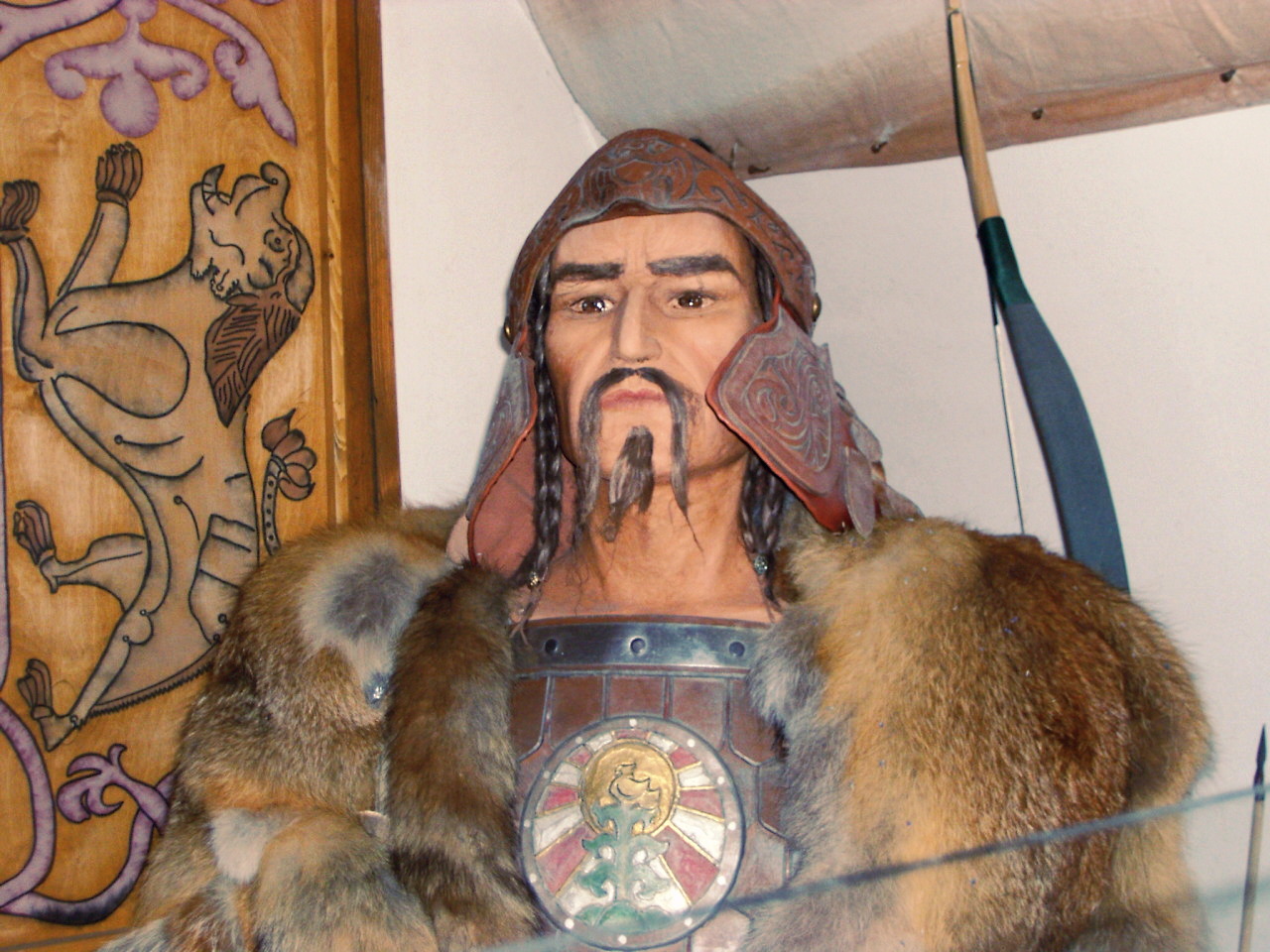



Characteristics of Attila's rule and the Hunnic polity
Attila led a loose confederation of nomadic groups rather than a settled state in the Roman sense. Hunnic military strength relied on fast-moving horsemen, composite bows and disciplined raiding tactics. Authority under Attila combined personal leadership, the loyalty of warrior elites and the subjugation or alliance of other tribes. Administratively, the Huns extracted tribute, goods and manpower from subject peoples and negotiated with emperors, often securing favorable terms in treaties.
- Leadership: Attila initially shared power with his brother before ruling alone; his position rested on military success and the support of key chiefs.
- Military style: mobility, shock raids, and the strategic use of diplomacy and terror.
- Economy: tribute, plunder and control of trade routes rather than heavy urban taxation.
Major campaigns and interactions with Rome
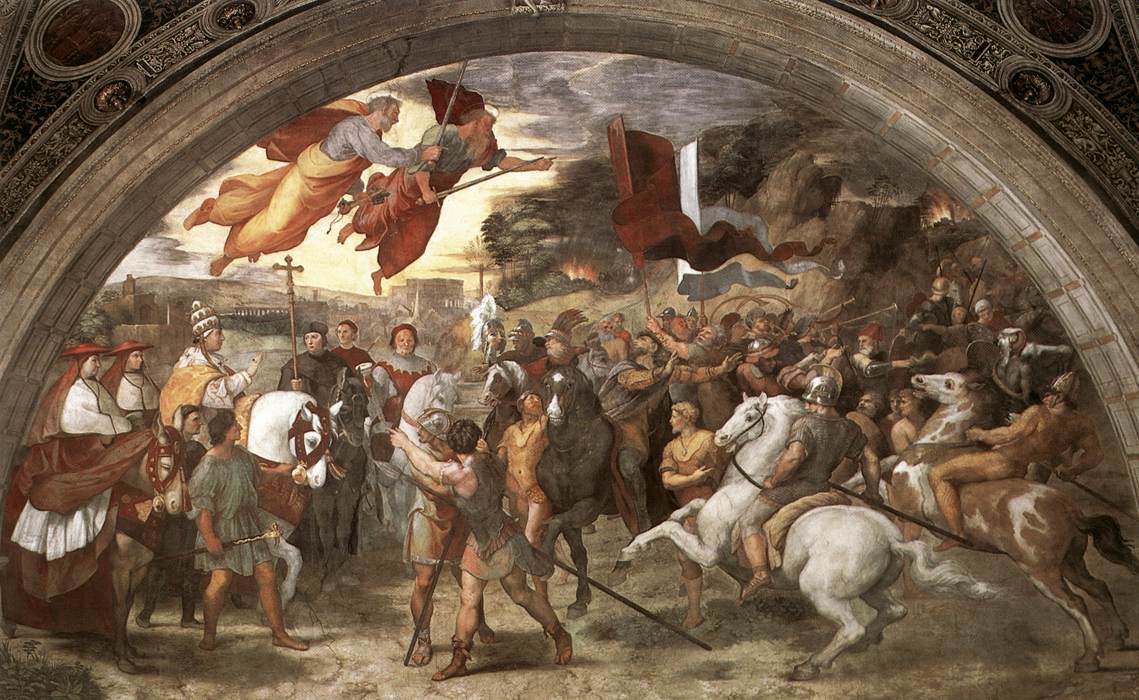
During his reign Attila fought both Eastern and Western Roman forces, extracting payments and concessions. He invaded Roman provinces on several occasions and led a major offensive into Gaul in 451. There his advance was halted at a large pitched engagement commonly called the Battle of the Catalaunian Plains, where a coalition including Roman and Visigothic forces checked his progress. The following year he led a campaign into Italy, devastating towns in the north and compelling the Romans to negotiate; contemporary tradition records a meeting with the pope that contributed to Attila's withdrawal.
Death, aftermath and historical reputation
Attila died in 453 under circumstances that remain debated. The traditional account relates that he died on the night after a wedding, possibly from a sudden hemorrhage; some modern scholars allow for alternative explanations including accident or assassination, but none is conclusively proven. After his death the Hunnic confederation fragmented as subject peoples rose up and former allies asserted independence, most notably after the defeat at the Battle of Nedao. Within a generation the Huns ceased to be a dominant power in Europe.
Sources, interpretation and cultural impact
Knowledge of Attila comes chiefly from Roman and Greek writers whose descriptions mix political reporting with moralizing portraiture, so historians treat some details cautiously. Over time Attila became an archetype of the "barbarian" invader in European memory and later folklore. Modern scholarship seeks to distinguish the realities of Hunnic military organization and diplomacy from the rhetorical imagery produced by their Roman contemporaries.
For general context about the people he led, see sources on the Huns. Additional background on the battles and regions associated with Attila is available in studies of Gaul, the Catalaunian Plains engagement, and the campaigns in Italy.
Questions and answers
Q: Who was Attila the Hun?
A: Attila the Hun was a leader of the Huns from 434 CE until he died in 453 CE. He was known for being a feared military commander and leading the Hunnic Empire.
Q: What was Attila the Hun's most common role?
A: Attila the Hun was a ruler.
Q: What did Attila the Hun do in Gaul?
A: Attila the Hun invaded Gaul and nearly captured the city of Aurelianum.
Q: When did Attila the Hun lose the Battle of the Catalaunian Plains?
A: Attila the Hun lost the Battle of the Catalaunian Plains in 451 CE.
Q: Where did Attila the Hun invade and what did he do?
A: Attila the Hun invaded Italy and attacked and looted several towns.
Q: When did Attila the Hun die?
A: Attila the Hun died in 453 CE.
Q: What happened to the Huns after Attila's death?
A: The Huns declined in the years immediately after Attila's death.
Tags
Related articles
Author
AlegsaOnline.com Attila the Hun: ruler of the Hunnic confederation (c.406–453) Leandro Alegsa
URL: https://en.alegsaonline.com/art/7113
Sources
- britannica.com : Article on Britannica