
Bregenz District, Vorarlberg — geography, administration and culture
Administrative district in Vorarlberg, Austria; covers Lake Constance shore and alpine valleys, with Bregenz as its administrative centre and a mixed economy of tourism, services and light industry.
Overview
The Bregenz district is an administrative district (Bezirk) within the western Austrian state of Vorarlberg, in Austria. It covers an area of about 863.37 km² and, as of 2012, had roughly 130,425 residents. The district's administrative centre and largest town is Bregenz, a lakeside city on Lake Constance (Bodensee).
Image gallery
6 Images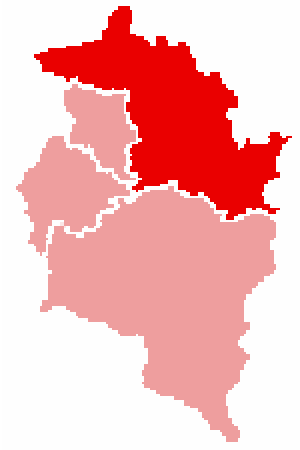



Geography and settlement
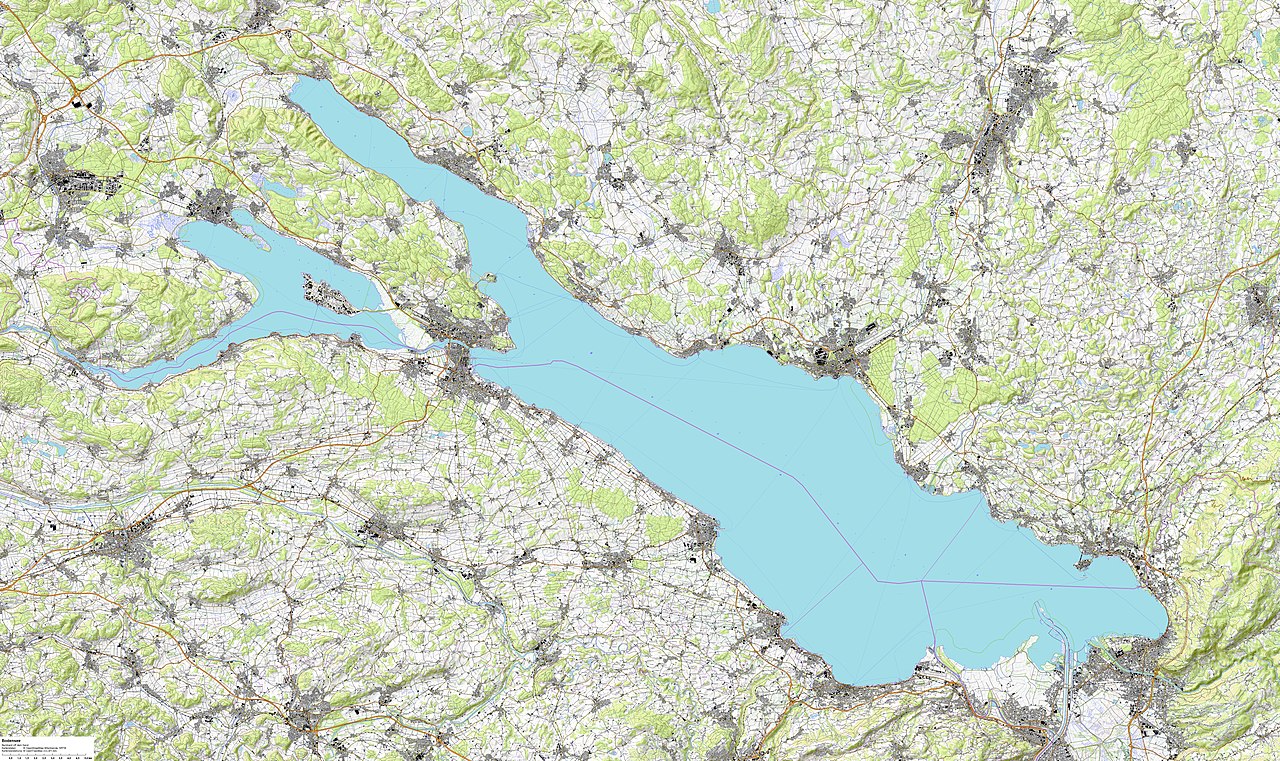
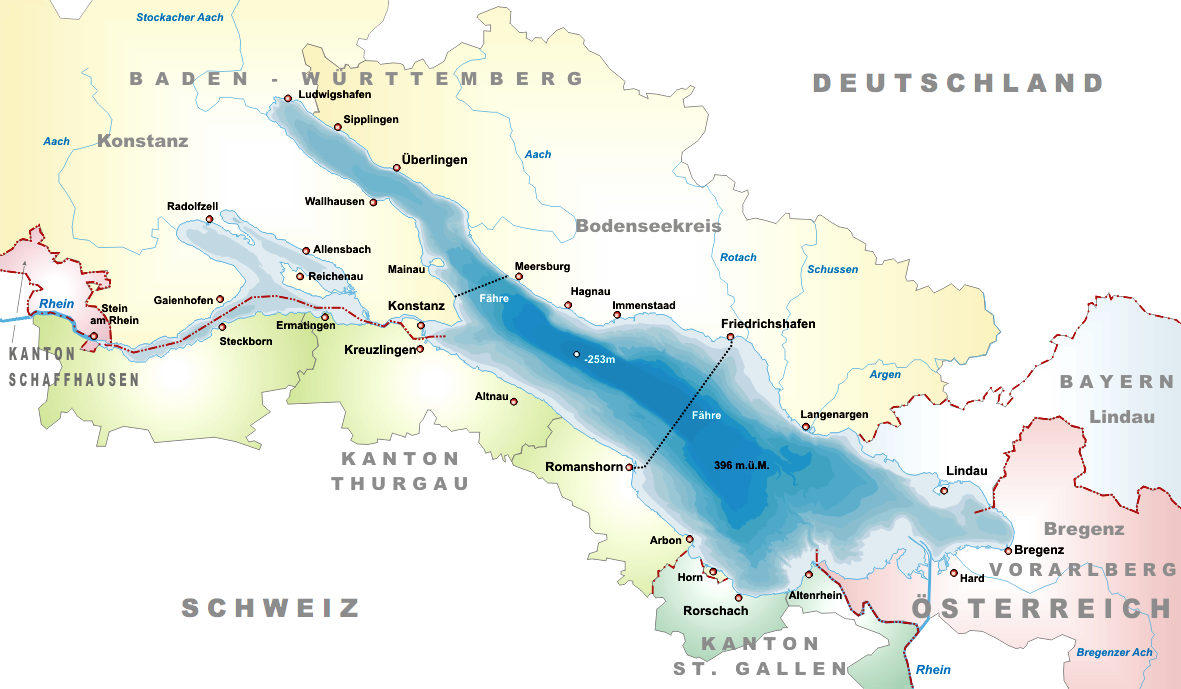
Bregenz district stretches from the shoreline of Lake Constance into mountainous alpine terrain. Its landscape combines low-lying, densely settled lakeside communities with forested hills and high valleys. Settlements range from the provincial capital to smaller towns, villages and dispersed rural hamlets. The district borders neighboring countries across the lake and in the alpine region, giving it a cross-border character.
Administration and economy
Administratively the district groups local municipalities under a central district authority based in Bregenz. The local economy is diverse: tourism linked to the lake and mountain scenery is important, complemented by services, light manufacturing and agriculture in the valleys and foothills. Transport connections include regional roads and rail links that connect the district to other parts of Vorarlberg and to international routes along Lake Constance.
Culture and notable features
The district's cultural life is anchored by the city of Bregenz, known for performing arts and open-air events on the lakeshore. Visitors are attracted by museums, historic town centres, and seasonal festivals that make use of the lakefront setting. The combination of German-speaking Austrian traditions and cross-border influences from neighboring countries shapes local cuisine and customs.
History and development
The Bregenz area has a long history of settlement from prehistoric times through the medieval era to the present. Over centuries the region developed as a local administrative and market centre and later integrated into the modern Austrian state. Industrialization, improved transport and the rise of leisure travel in the 19th and 20th centuries helped shape its contemporary economy and settlement pattern.
Practical distinctions and importance
- Strategic lakeside location on Lake Constance fosters tourism and commerce.
- Mix of urban, suburban and alpine rural environments within a compact area.
- Cross-border cultural and economic links with neighboring countries.
For further official or detailed local information consult regional resources and municipal pages linked through local government portals and tourist offices.
Related articles
Author
AlegsaOnline.com Bregenz District, Vorarlberg — geography, administration and culture Leandro Alegsa
URL: https://en.alegsaonline.com/art/13892
Sources
- vorarlberg.at : "vorarlberg.at Landesstatistik Bevölkerung"