
Breast reduction (reduction mammaplasty)
Surgical procedure to reduce breast size and weight; used for physical relief and cosmetic reasons. Covers indications, techniques, recovery, risks, and when insurance may cover it.
Breast reduction, or reduction mammaplasty, is a surgical operation that reduces the size and weight of human breasts. It is performed primarily to relieve physical symptoms caused by overly large breasts and also for cosmetic reasons. The operation is a form of plastic surgery: overview of the procedure. Although most patients are women, men with gynecomastia may undergo similar reduction procedures.
Image gallery
3 Images

What the operation does and how
During the procedure the surgeon removes excess tissue to reshape the breast and lift its position. Typical tissues removed include fatty tissue, portions of the breast gland, and redundant skin. Surgeons refer to these components when planning the operation: fat, glandular tissue, and excess skin. The nipple and areola are often repositioned to a more natural location; in some techniques they remain attached to their blood supply and nerves, in others they are grafted.
Techniques and variations
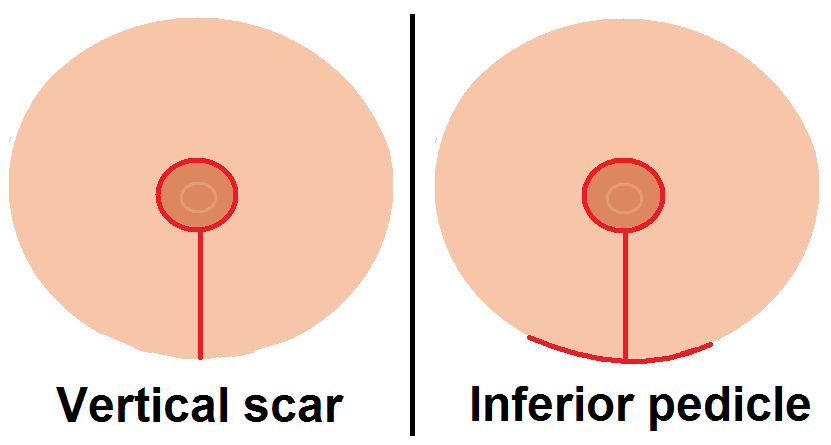
Common surgical patterns include the inverted-T (anchor), vertical (lollipop), and circumareolar approaches. Liposuction may be used when fat is the main component of breast volume. Choice of technique depends on breast size, shape, skin quality, and patient goals. A qualified surgeon will explain the expected scars, contour changes, and possible effects on nipple sensation and breastfeeding.
Reasons, benefits, and examples
Many people seek reduction to reduce chronic back, neck, and shoulder pain, to eliminate skin irritation beneath the breast crease, to improve posture, or to facilitate exercise and clothing fit. In addition to symptom relief, patients often report improved mobility and self-image. For context on how commonly the procedure is performed, historical surgical statistics show large numbers of procedures in some years (for example, more than 113,000 women had reductions in 2005: statistical reference).
Risks, recovery, and considerations
As with any surgery there are risks: infection, bleeding, scarring, asymmetric results, changes in nipple sensation, and rarely problems with wound healing. Recovery typically involves several weeks of limited activity, with most swelling settling over months. Patients should discuss anesthesia, expected scar patterns, potential impact on breastfeeding, and whether insurance will cover surgery when it is deemed medically necessary.
- Preoperative assessment often includes weight stability, mammography or imaging as appropriate, and medical clearance.
- Non-surgical options are limited; weight loss and physical therapy can help but may not resolve symptoms caused by excess breast tissue.
- Men seeking reduction for gynecomastia receive tailored approaches; consult a specialist for differences in technique.
For more detailed guidance on indications, surgical planning, and postoperative care, consult board-certified plastic surgeons and reputable clinical resources: patient information, specialist societies: professional guidance, and clinical reviews: technical summaries. Further reading and local regulations can be explored via dedicated medical links: clinical background and surgical technique.
Related articles
Author
AlegsaOnline.com Breast reduction (reduction mammaplasty) Leandro Alegsa
URL: https://en.alegsaonline.com/art/13849
Sources
- breastimplants411.com : "Breast Reductions on the Rise as More Women Choose to Reduce in Order to Increase Their Quality of Life"
- plasticspot.io : "Male Breasts Surgery"