
Braunau am Inn: border town in Upper Austria
Braunau am Inn is a town on the Inn River in Upper Austria, known for its historic centre, border location with Bavaria and as the birthplace of Adolf Hitler; it balances local life, tourism and contested memory.
Braunau am Inn sits in the Innviertel region of northern Innviertel, within the Austrian state of Upper Austria. Located on the Inn River opposite Bavaria, the town lies roughly 90 km west of Linz and about 60 km north of Salzburg. As a riverside market town and a port of entry, Braunau is linked by road and rail to neighbouring communities and to its German counterpart, Simbach am Inn, across the river.

The town occupies a strategic border position adjacent to Bavaria in Germany. Its setting on the Inn shaped local commerce and transport: historically a crossing point, today the bridges and customs facilities support daily cross-border commuting and trade. Braunau has a temperate continental climate (classified as Dfa) with warm summers and cold winters; this is reflected in the local agricultural activity and seasonal festivals. Climate classification records list Braunau among continental-climate towns of the region.

Image gallery
10 Images


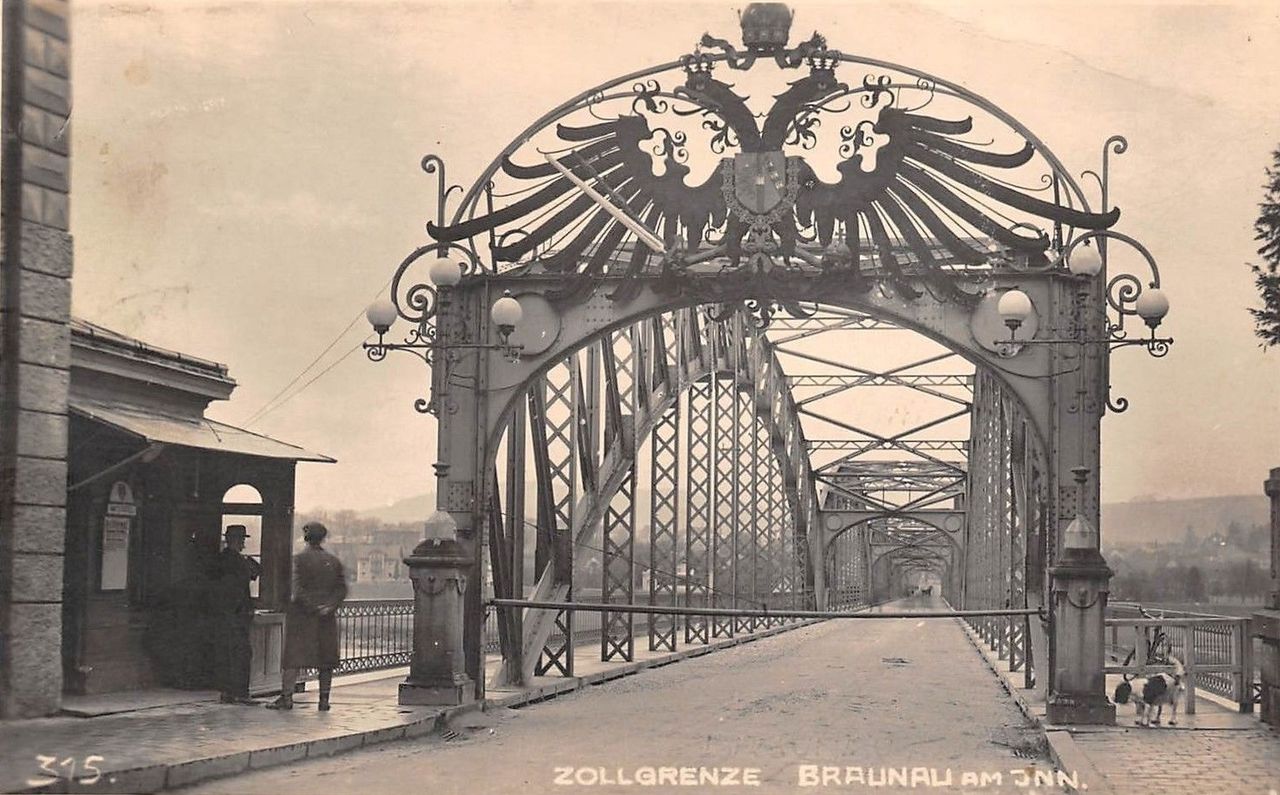
History and 20th-century significance
The town's centre shows a mix of medieval and Baroque architecture, with a market square and parish church at its core. In modern history Braunau became internationally known because it was the birthplace of Adolf Hitler. That association has been a source of persistent debate about memory, commemoration and the appropriate uses of the building where he was born. National and local authorities have undertaken measures to prevent the site from becoming a pilgrimage destination, and it has periodically been repurposed to reduce its symbolic appeal. Braunau was also within the American occupation zone of Austria from 1945 to 1955, like many communities in the region.

Landmarks and culture
- St. Stephan parish church — prominent in the historic skyline and local religious life.
- Old town and market square — preserved façades, cafes and civic buildings.
- Sites of remembrance and civic projects — addressing the town's 20th-century history through education and public policy.

Local cultural life includes seasonal markets, music and community events that draw visitors from both sides of the border. Museums, guided walks and exhibitions give context to Braunau’s long regional history while framing more difficult chapters carefully, aiming to combine historical education with civic responsibility.
Economically, Braunau functions as a regional service centre with light industry, retail and border-related services. Good road and rail connections link the town to larger urban centres, supporting tourism and cross-border employment. Visitors often use Braunau as a base for exploring the Inn valley and nearby Bavarian towns, while scholars and educators come for historical study.

As a community, Braunau am Inn blends regional traditions, riverine geography and a need to manage complex historical legacies. Its position on the border continues to shape daily life, commerce and cultural exchange, making it a noteworthy town within Upper Austria and the wider Alpine-Bavarian region.
Related articles
Author
AlegsaOnline.com Braunau am Inn: border town in Upper Austria Leandro Alegsa
URL: https://en.alegsaonline.com/art/13773