
Brauneberg: Moselle wine village in Bernkastel‑Wittlich, Rhineland‑Palatinate
Brauneberg is a small municipality on the Middle Moselle in Bernkastel‑Wittlich, Germany, known for steep Riesling vineyards, slate soils and a winegrowing tradition that shapes its culture and economy.
Overview
Brauneberg is a municipality in the district of Bernkastel‑Wittlich in the state of Rhineland‑Palatinate, Germany. It is a small riverside community on the Middle Moselle noted for its long tradition of viticulture. As of 31 December 2018 the population was recorded at 1,149 residents.
Image gallery
4 Images


Geography and landscape
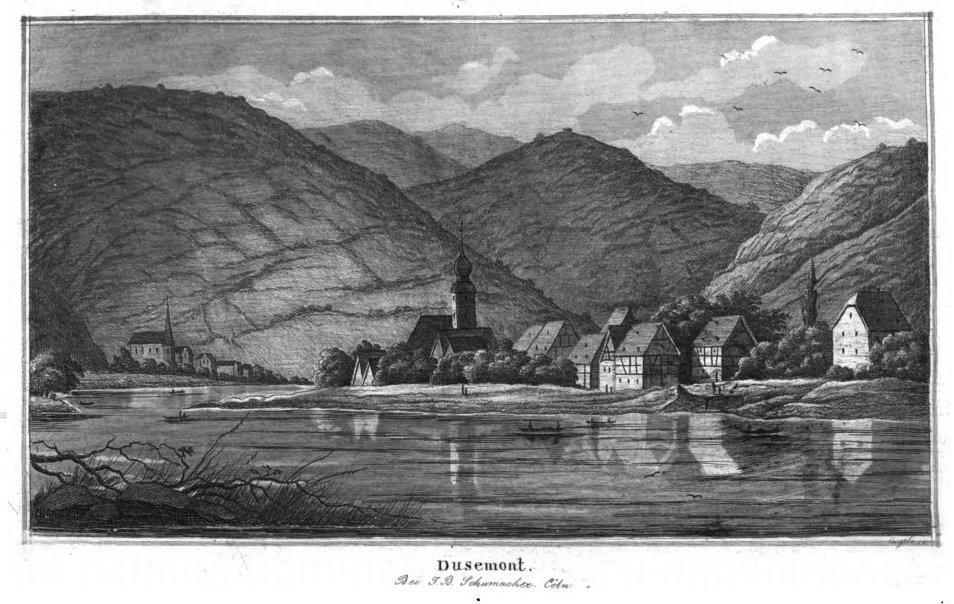
The village occupies steep slopes above the Moselle River, where tightly packed terraces and exposed vineyards create a distinctive landscape. Bedrock in the area commonly includes slate and shale, materials that retain heat and influence vine behaviour; combined with a temperate river valley climate, these conditions favour white wine varieties.
Viticulture and economy
Winegrowing is the most visible economic and cultural activity. Local producers emphasise Riesling and other white grapes traditionally associated with the Moselle. Vineyards are typically small and family‑run, and wine tourism — cellar visits, tastings and seasonal festivals — contributes to the local economy alongside small services and crafts.
History and development
The settlement pattern follows the river and the slopes used for vineyards. Like many Moselle villages, Brauneberg's recorded history is tied to agriculture and wine production over many centuries. Architectural traces, land divisions and place names reflect a long association with viticulture and with broader regional trade along the Moselle.
Culture, attractions and distinctions
Visitors are drawn by panoramic vineyard views, local wine festivals and the village’s quiet riverside character. Brauneberg is often mentioned in discussions of steep‑slope viticulture and Moselle Riesling, and it exemplifies how small German wine villages balance heritage, tourism and modern winemaking practices.
- Administrative: municipality in Bernkastel‑Wittlich.
- State: Rhineland‑Palatinate.
- Country: Germany.
For more detailed local information, municipal and regional resources can provide current visitor guidance, wine event calendars and winery listings. Photographs and maps frequently illustrate the steep terraces and river views that define Brauneberg’s character.
Related articles
Author
AlegsaOnline.com Brauneberg: Moselle wine village in Bernkastel‑Wittlich, Rhineland‑Palatinate Leandro Alegsa
URL: https://en.alegsaonline.com/art/13776