
Christo and Jeanne-Claude: creators of monumental temporary art
Artist partners Christo and Jeanne-Claude produced large-scale, temporary public artworks—wrappings, corridors and site-specific installations—known for ambitious engineering, self-financing and global public debate.
Christo and Jeanne-Claude were an artist couple whose collaborative practice produced large-scale, temporary interventions in public space. From the 1960s into the early 21st century they altered the visual and social experience of cities and landscapes by wrapping structures, suspending fabric and erecting temporary corridors and fences. Their projects combined artistic conception with engineering, negotiation, fundraising and careful site restoration once each project ended.
Image gallery
9 Images


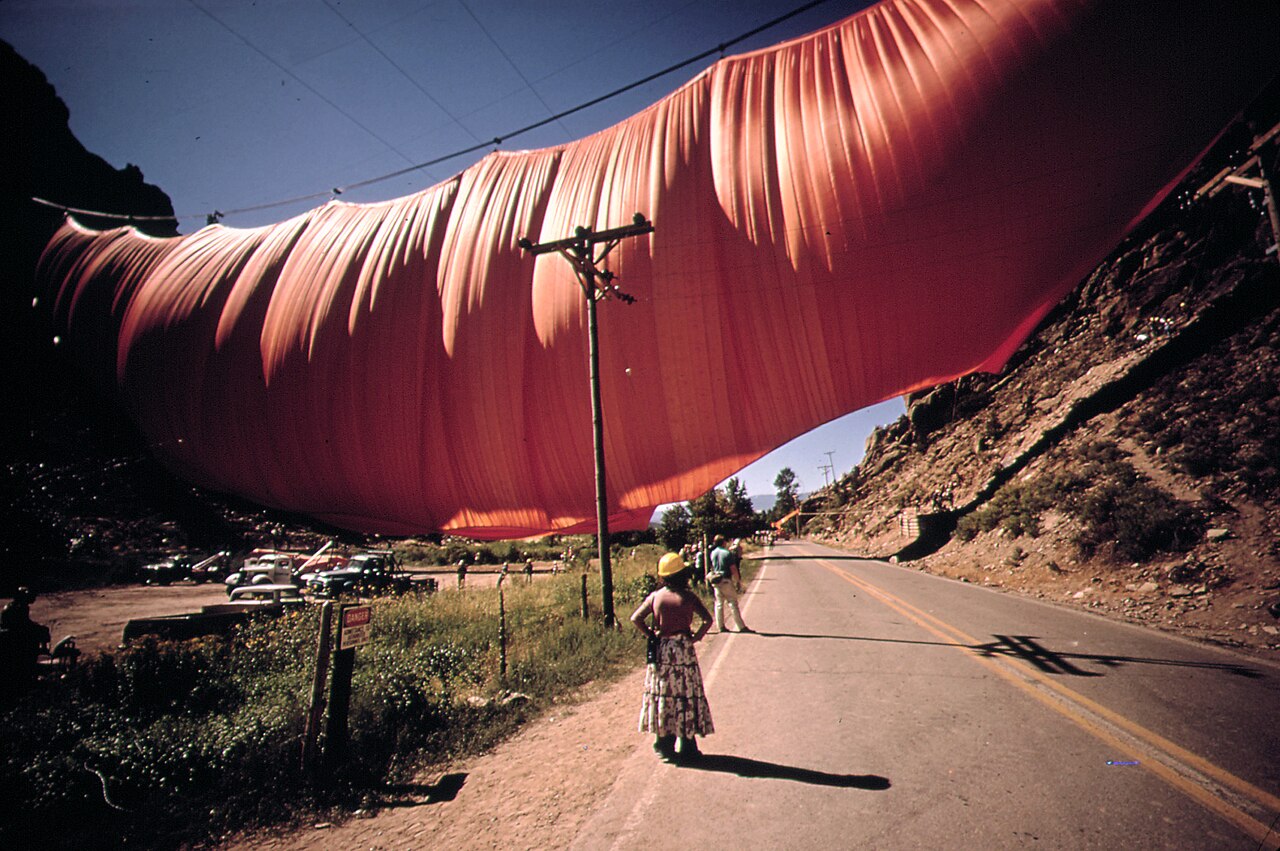


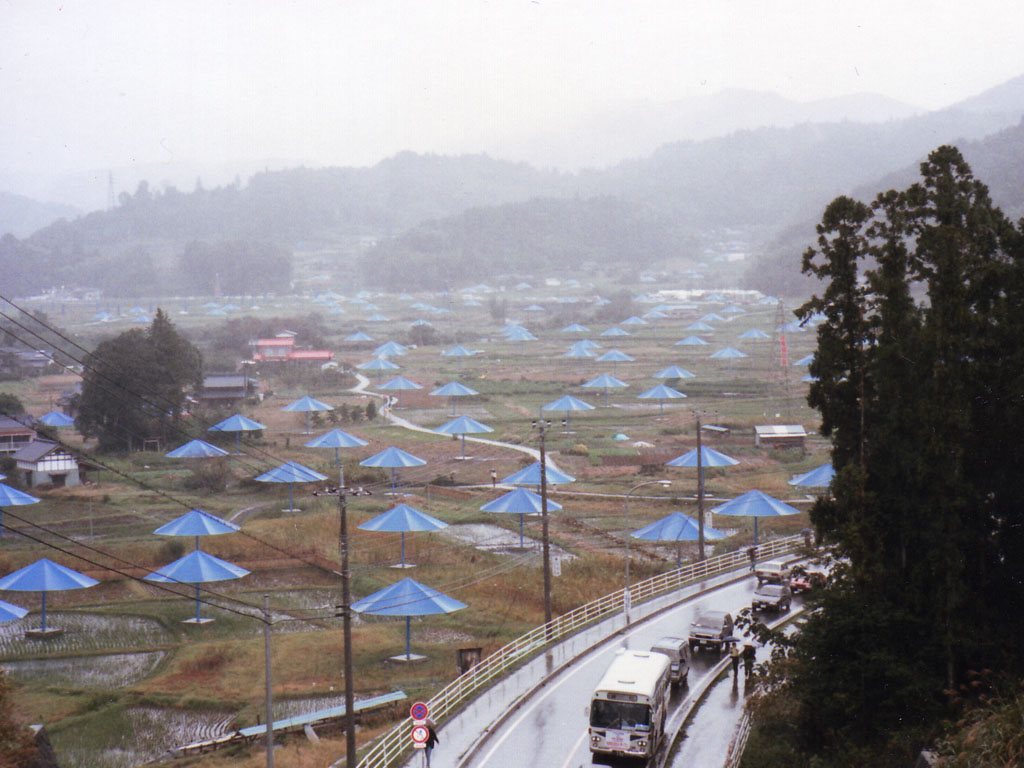

Major works and public scale
Their best-known works include the wrapping of the Reichstag in Berlin, the covering of the Pont-Neuf in Paris and the creation of The Gates in New York City’s Central Park. In the 1970s they completed Running Fence, a long fabric installation across countryside in California that drew attention to land use, property rights and the experience of the landscape. Each project was temporary by design: materials and structures were removed and sites were returned to their prior condition after the agreed display period.
Working methods and funding
The couple typically worked with engineers, fabricators, local authorities and environmental consultants to realize projects that required permits and logistical coordination. Unconventionally for major public projects, they refused commercial sponsorship and financed their work by selling preparatory studies, drawings, collages and small-scale works. This approach preserved artistic control but also meant extensive private planning, model-making and negotiation with stakeholders.
Biography and partnership
Christo Vladimirov Javacheff was born in Gabrovo in what is now Bulgaria. Jeanne-Claude Denat de Guillebon was born in Casablanca, in present-day Morocco. They met in Paris in 1958 and moved to New York City in 1964, where they developed their international practice and many of the administrative processes that sustained their projects. Institutional and archival material about their collaboration and project planning is preserved in catalogues and archives that document their models, drawings and correspondence; see archival resources and their published monographs for detailed records of production and funding about their joint practice.
Credit, roles and public identity
For decades their outdoor interventions were publicly credited to "Christo," although Jeanne-Claude played a central role in production, negotiation and public relations. From the 1990s onward many major projects were officially credited to "Christo and Jeanne-Claude" to acknowledge this shared work. They were known for practical precautions in their personal life, including travelling separately by design so that the surviving partner could continue their projects if tragedy occurred.
Reception and legacy
Their installations generated lively debate about the role of temporary art in public life, the use of public space, and environmental effects. Admirers argued that their interventions encouraged viewers to see familiar places anew and fostered civic discussion; critics questioned costs, disruption and ecological impacts. Academics and practitioners in art history, architecture and engineering continue to study their projects as examples of interdisciplinary collaboration and civic negotiation. Museums, archives and publications document their preparatory drawings and models as both artistic objects and the practical means by which projects were funded and permitted.
- Notable projects: Reichstag, Pont-Neuf, Running Fence, The Gates in Central Park.
- Origins: birthplaces in Gabrovo and Casablanca, meeting in Paris and establishing a long career in New York.
- Documentation and archives: study of models, collages and preparatory drawings informs scholarship on their methods; institutional catalogues and archives preserve project histories and records.
- Later life: Jeanne-Claude died in 2009 after complications from a brain condition described as an aneurysm; Christo died in 2020, leaving a substantial public legacy of temporary monuments and methodological precedents.
Their work remains influential for artists, planners and communities interested in ephemeral public art, the logistics of large-scale installations and the relationships between visual culture and civic space. For project-specific information consult published monographs, museum exhibitions and archival collections that record the planning, models and drawings that made these ambitious projects possible.
Author
AlegsaOnline.com Christo and Jeanne-Claude: creators of monumental temporary art Leandro Alegsa
URL: https://en.alegsaonline.com/art/136550