
Chariots of Fire (1981) — film, history, and cultural impact
Overview of the 1981 British historical drama Chariots of Fire: plot, principal cast, production and music, historical basis, awards, and lasting influence.
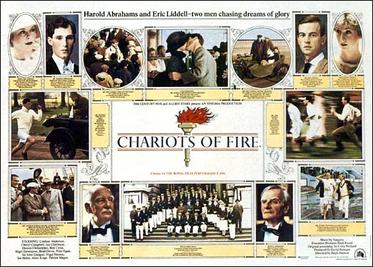
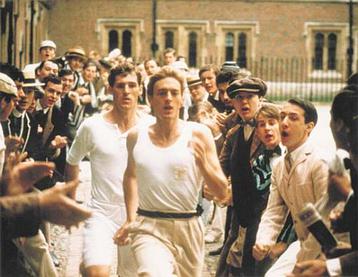
Chariots of Fire is a 1981 British historical drama film that dramatizes the true stories of two British athletes who competed at the 1924 Paris Olympics. The picture follows the intersecting lives of a devout Scottish sprinter and an English sprinter determined to overcome social barriers, showing their contrasting motivations and the challenges they faced on and off the track. The film is widely remembered for its evocative score and iconic running sequences, and it remains an influential work in the sports and biographical genres. For basic production details see film overview and historical context at the 1924 Olympic Games materials.
Image gallery
6 Images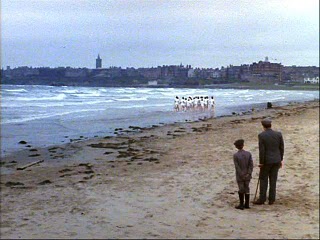


Principal cast and characters
- Ben Cross as Harold Abrahams, a Cambridge-educated sprinter determined to succeed in an environment marked by class and anti-Semitism.
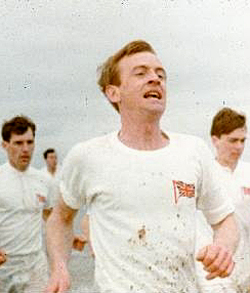
- Ian Charleson as Eric Liddell, a Scottish runner whose Christian faith shapes his decisions and athletic career; his story explores conscience and conviction (Eric Liddell).
- Nigel Havers and Ian Holm appear in supporting roles that represent the sporting and social world surrounding the protagonists.
- Other notable performers include John Gielgud, Alice Krige and Cheryl Campbell, each contributing to the film's period atmosphere and dramatic arcs.
- The production was directed by Hugh Hudson, whose approach blended historical material with stylized visuals.
The screenplay compresses events and dramatizes personal conflicts to create a focused narrative about ambition, faith, national pride, and the meaning of victory. The movie balances intimate character moments with competitive sequences staged to emphasize rhythm and choreography rather than documentary realism.
Production, music and style
Chariots of Fire is noted for its restrained cinematography and for its memorable electronic score, which helped define the film's emotional tone and has since entered popular culture as shorthand for triumphant or inspirational athletic imagery. Visually, the film mixes period detail with deliberate pacing and camera work—most famously a slow-motion beach run sequence—that became widely imitated. The production sought authenticity in costume and setting while using cinematic techniques to heighten the story's themes.
Historical basis and title
The characters are based on real athletes who competed in Paris in 1924, and the film draws on their documented achievements while taking creative liberties typical of cinematic biographies. The movie's title comes from a line in the hymn "Jerusalem," itself adapted from a poem by William Blake. The phrase "chariot(s) of fire" ultimately echoes biblical imagery such as passages in 2 Kings. The hymn's patriotic resonance helps explain the title's cultural associations; see the hymn text at "Jerusalem".
Reception, awards and legacy
On release the film earned critical acclaim and strong audience support, garnering multiple Academy Award nominations and winning four Oscars, including the award for Best Picture and the prize for Best Original Screenplay. Its themes of personal conviction and fair play, along with the score and visual motifs, have secured a lasting place in cinema and sport culture. The soundtrack and key sequences are frequently referenced in advertising, sporting ceremonies, and popular media.
While praised for its artistry, the film is also recognized as a dramatized retelling rather than a literal documentary record. Historians and commentators note that timelines were tightened and relationships simplified to serve dramatic needs, a standard practice in historical films. Nonetheless, Chariots of Fire remains an influential exploration of how personal belief, social context, and athletic pursuit can intersect to create memorable human stories.
For further reading on the film's production, score and historical background consult archival and critical resources linked from the film's main pages and specialized studies: see overview, background on the 1924 Games, biographies such as those addressing Liddell and accounts of Harold Abrahams, plus director profiles like Hugh Hudson. Additional context and commentaries are available via archived interviews and scholarly commentaries linked at Cast histories and institutional collections (actor archives, supporting cast notes, production notes, critical essays, period analyses, and reviews of its awards and cultural reception including the Academy Awards record).
Author
AlegsaOnline.com Chariots of Fire (1981) — film, history, and cultural impact Leandro Alegsa
URL: https://en.alegsaonline.com/art/136338