
1924 Summer Olympics — Games of the VIII Olympiad
The 1924 Summer Olympics in Paris were a landmark edition known for organizational innovations, memorable athletic performances and cultural events that shaped modern Olympic practice.
Overview
The 1924 Summer Olympics, officially called the Games of the VIII Olympiad, took place in Paris, France. Held in the interwar period, these Games combined a large programme of sporting competitions with new organizational approaches and broad public interest. Contemporary accounts regarded the events as successful in sporting terms, though the scale and expense of the enterprise drew comment.
Image gallery
8 Images




Organization and innovations
Organizers introduced several practical changes that influenced later editions. For the first time a dedicated Olympic Village was built to house male competitors, concentrating athletes in one place and simplifying logistics. Event management and transport coordination were expanded compared with earlier Games, reflecting an evolving professional approach to staging large international sports gatherings.
Sports, events and notable performances
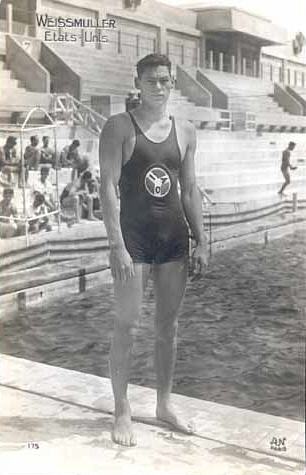
The programme featured core Olympic sports of the era such as athletics, swimming, gymnastics, cycling, fencing, equestrian and team sports. The edition is remembered for striking individual achievements by athletes who became household names. Performances by runners and swimmers of the time received wide attention, and the stories of competitors from this Olympiad entered popular culture in subsequent decades.
Notable themes included:
- Dominant distance running performances that reinforced Finland's prominence in track events.
- Memorable sprint and middle-distance races later dramatized in film and literature.
- Strong showings in the pool that helped establish several swimmers' international reputations.
Venues and participation
Competitions were staged across Paris and nearby stadiums suitable for large crowds. A wide range of nations sent teams, reflecting the Games' growing international reach after the First World War. Attendance at many events was reported as healthy, contributing to the impression of an energetic and well-followed Olympiad.
Cultural aspects and legacy
Like other interwar Olympiads, the 1924 Games included cultural elements such as art competitions alongside sport, a practice then part of the Olympic movement. The organisational lessons, athlete accommodation model and memorable athletic narratives became part of the Olympics' evolving identity. The 1924 edition remains notable both for its sporting achievements and for practical innovations that influenced future hosts.
Related articles
Author
AlegsaOnline.com 1924 Summer Olympics — Games of the VIII Olympiad Leandro Alegsa
URL: https://en.alegsaonline.com/art/111934
Sources
- sports-reference.com : "1924 Paris Summer Games"
- aafla.org : "A Look at Olympic Costs,"