
Eric Liddell: Olympic champion, Scotland rugby international, and missionary
Eric Liddell (1902–1945) was a Scottish-born Olympic gold medal sprinter, a Scotland rugby international and a Christian missionary in China, remembered for his 1924 Sabbath stand and later wartime internment.
Overview
Eric Henry Liddell (16 January 1902 – 21 February 1945) was a British athlete and Christian missionary, born to Scottish parents in Tientsin (now Tianjin), China. He gained international fame at the 1924 Paris Summer Olympics when his refusal to compete in a qualifying heat held on a Sunday drew attention to the relationship between faith and sport. Liddell combined elite sprinting with team sport excellence, representing Scotland at rugby union, and after his athletic career he returned to China to work as a teacher and missionary.
Image gallery
6 Images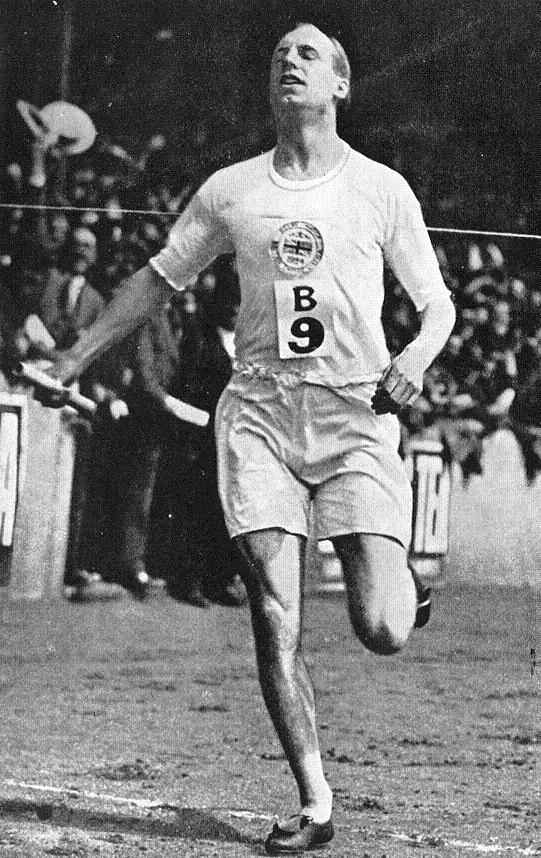



Early life and education
Liddell spent his early years in China in a missionary family before receiving schooling in Britain. His upbringing emphasized faith, service and physical activity; he developed as a sprinter while also playing rugby. The combination of athletic talent and religious conviction shaped his public persona and later life choices. Biographical accounts often highlight how his background prepared him for both competitive sport and long-term work overseas; for a concise biographical summary see available resources.
Athletics and rugby
In the early 1920s Liddell emerged as one of Britain’s leading sprinters, known for his smooth running style and competitive spirit. At the same time he achieved recognition on the rugby field, representing Scotland at international level in a period when dual-sport careers were more common than today. His sporting reputation rested not only on results but also on his public conduct and discipline, qualities that teammates and contemporaries often noted in accounts of the era.
The 1924 Olympics and the Sabbath decision
At the Paris Games Liddell famously declined to run in the 100-metre heats scheduled on a Sunday, on religious grounds. He instead entered the 400 metres, an event he had not originally prioritised, and won the Olympic gold medal when that final was held on a weekday. The episode became a widely cited example of personal conviction influencing athletic choices and has been discussed in histories of sport and religion.
Missionary work in China
After his Olympic success Liddell returned to China to teach and serve in missionary work, dedicating himself to education and pastoral care in the communities where he lived. He combined classroom teaching with sporting activities and local ministry, aiming to live out the Christian principles that had guided his athletic and personal decisions. Contemporary summaries of his service are commonly available through church and historical sources; general information can be found via missionary records.
Internment and death
During World War II, following the expansion of Japanese control in China, Liddell and many other Western nationals were interned. He was held at the Weixian internment camp in Weifang, where he continued to teach, lead services and organise activities for fellow internees under difficult conditions. Liddell died in the camp on 21 February 1945 from a brain tumour, while still committed to serving those around him during captivity by the Japanese authorities.
Legacy and cultural depiction
Liddell’s life is remembered for the blend of sporting achievement and steadfast faith. His story reached broad public awareness through the dramatized film Chariots of Fire, which won multiple Academy Awards and introduced his choices to new audiences. In that film he is portrayed by actor Ian Charleson. Beyond the film, his example appears in books, articles and commemorations that discuss sportsmanship, religious conviction in public life, and the moral dilemmas athletes may face.
Notable facts
- Birth and background: Born in China to Scottish missionary parents and raised with an emphasis on faith and education.
- Sporting career: Olympic gold medallist in the 400 metres at the 1924 Paris Games and a Scotland rugby union international.
- Sabbath stand: Declined to compete on a Sunday at the 1924 Olympics and subsequently won the 400 m.
- Missionary service: Returned to China after athletics to teach and minister to local communities.
- Wartime internment: Held at the Weixian camp during Japanese occupation; continued to serve fellow internees and died in custody in 1945.
Liddell remains a frequently cited figure when discussing the intersection of faith and competitive sport. For readers seeking further detail on specific episodes of his life—athletic results, match records or aspects of his missionary work—specialised biographies and archival material provide additional documentation and context.
Further reading and archival collections may be consulted for in-depth study; general reference points and summaries are accessible through sporting histories and missionary archives, including dedicated pages and institutional records that summarise key events in his life and influence in both sport and religious communities. For general reference see rugby records and other historical summaries.
Author
AlegsaOnline.com Eric Liddell: Olympic champion, Scotland rugby international, and missionary Leandro Alegsa
URL: https://en.alegsaonline.com/art/138094