
Cape Ann: Geography, History, and Coastal Communities of Northeastern Massachusetts
Cape Ann is a rocky headland on the Atlantic coast of northeastern Massachusetts, encompassing Gloucester, Rockport, Essex and Manchester-by-the-Sea with a long maritime, artistic and natural history.
Overview
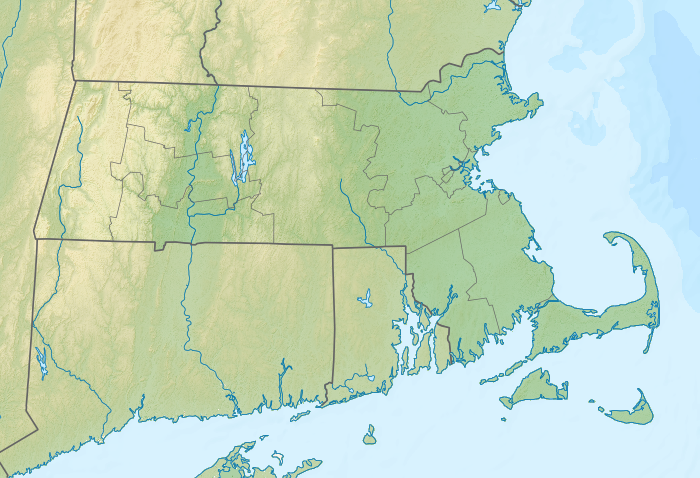
Cape Ann is a prominent rocky headland on the Atlantic coast of northeastern Massachusetts in the United States. Located roughly 30 miles northeast of Boston, it forms the northern boundary of Massachusetts Bay. The cape is known for its exposed granite shoreline, working fishing harbors and scenic coastal villages. Its combination of maritime industry, cultural activity and natural habitats makes it a distinctive subregion of the state.
Image gallery
4 Images


Geography and natural features
The geology of Cape Ann is dominated by Precambrian and eroded igneous rock that produces bold ledges, headlands and small coves. The cape projects into the Atlantic Ocean, creating sheltered bays and harbors as well as exposed headlands battered by ocean swell. Intertidal zones, salt marshes, rocky tidepools and offshore islands support diverse bird and marine life. Seasonal migrations and local fisheries reflect the ecological importance of the coastal waters.
Towns and communities
Cape Ann comprises the city of Gloucester and the towns of Essex, Manchester-by-the-Sea and Rockport. Gloucester is the largest community and has been a working fishing port for centuries, with commercial fleets, seafood processing and related services. Rockport is known for its scenic galleries, artist studios and historic waterfront. Essex has a long boatbuilding tradition and notable salt marshes, while Manchester-by-the-Sea combines residential neighborhoods with protected coastal reservations and small beaches.
History and name
European settlement on Cape Ann began in the early colonial period, and maritime activities such as fishing, shipbuilding and trade shaped settlement patterns. The recorded name honors Anne of Denmark, who was queen consort to King James I, and the cape’s name appears in early English cartography and accounts. Over time, industries expanded to include quarrying, canning and tourism, reflecting changes in regional economy and transportation.
Economy, culture and recreation
Fishing and lobstering remain central to the local economy, particularly in Gloucester, where commercial docks and seafood markets are prominent. Tourism, arts and outdoor recreation contribute significantly: painting and photography traditions are strong in Rockport and parts of Gloucester, and walking trails, coastal parks and whale-watching excursions attract visitors. Local festivals, seafood-centric restaurants and museums interpret the maritime heritage for residents and tourists alike.
Conservation and access
Conservation organizations and state agencies work to protect fragile coastal habitats, historic sites and public access points. Salt marsh restoration, shorebird protection and sensible shoreline management are ongoing concerns as communities balance development and resilience to storm events. Ferries, regional roads and commuter rail connections provide access for day visitors and for residents commuting toward Boston and other parts of the region.
Distinctive facts
- Geographic: Cape Ann marks the northern limit of Massachusetts Bay and features a rugged Atlantic shoreline.
- Maritime: Gloucester has one of the oldest continuous fishing ports in North America.
- Cultural: Rockport and portions of Gloucester maintain active artist communities and historic districts attracting visual artists and writers.
For more detailed maps, natural-resource information and visitor guidance consult municipal and regional resources for Gloucester, Essex, Manchester-by-the-Sea and Rockport, as well as broader state and federal conservation agencies. Historical treatments and place-name studies discuss the association with Anne of Denmark and early colonial history. Local museums and cultural organizations provide rotating exhibitions and events that interpret the cape’s maritime and artistic legacy.
Author
AlegsaOnline.com Cape Ann: Geography, History, and Coastal Communities of Northeastern Massachusetts Leandro Alegsa
URL: https://en.alegsaonline.com/art/136089