
Essex, Massachusetts
Essex is a small coastal town in Essex County, Massachusetts, known for its maritime heritage, tidal marshes, seafood, and proximity to Boston and Newburyport.
Overview
Essex is a compact coastal town in Essex County, Massachusetts, located on the North Shore roughly 26 miles north of Boston and close to Newburyport. It is a small community with a population recorded at 3,504 in the 2010 census and retains a distinct maritime character shaped by nearby estuaries and the Atlantic coastline.
Image gallery
6 Images



Geography and natural features
The town sits beside tidal rivers and salt marshes that drain into the Atlantic. These intertidal habitats are important for migrating birds and for traditional shellfishing. Shallow mudflats and creeks define much of the shoreline, and the landscape alternates between low-lying wetlands and small residential and commercial areas clustered near the harbor.
History and development
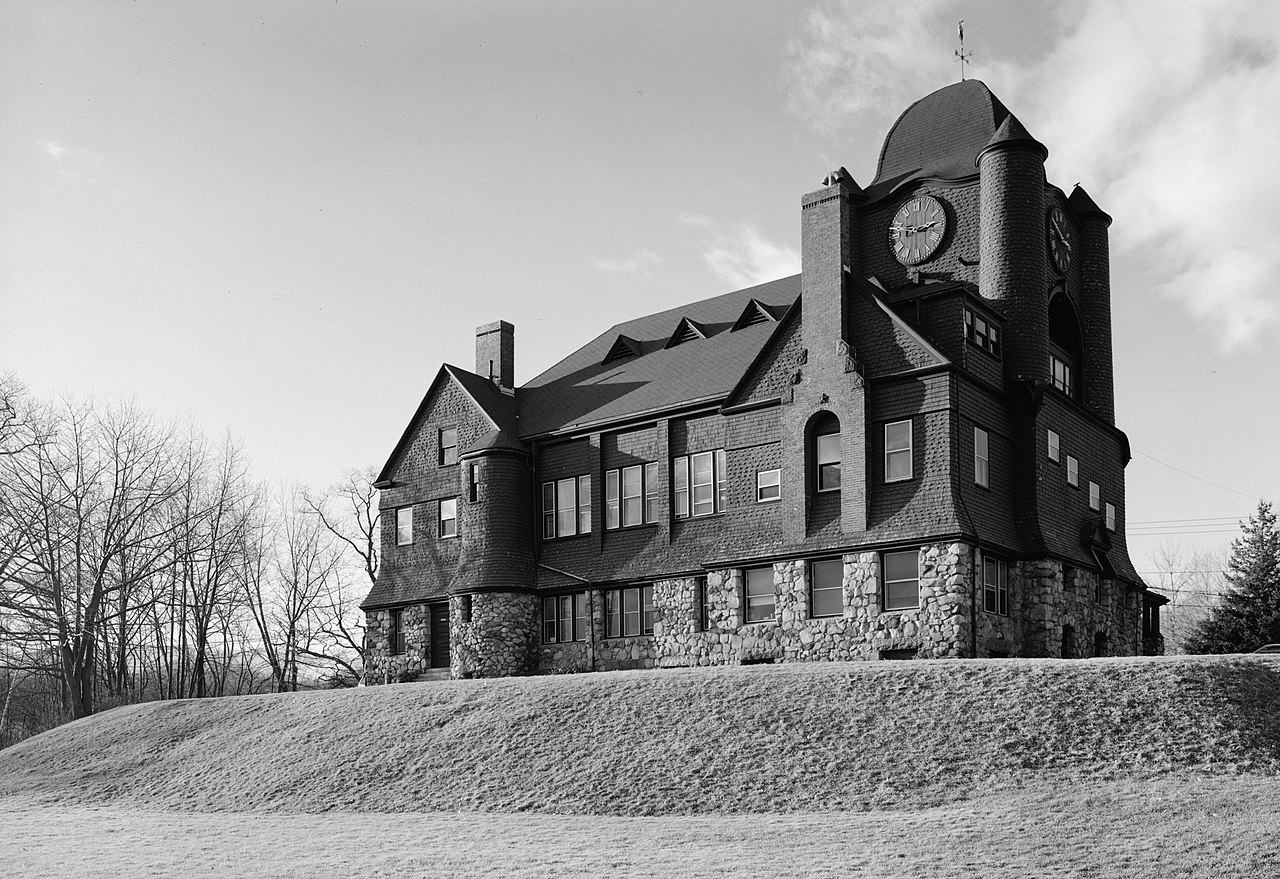
Essex developed as part of the colonial settlement of Massachusetts and grew around maritime activities. For centuries its economy centered on fishing, clamming and boat-related trades; small yards and craft-based industries supported local needs. Over time the town preserved many of its older buildings and portions of its waterfront, reflecting a longer history of seafaring and shore-based livelihoods.
Economy, culture and recreation
Today the town's economy mixes year-round residents with seasonal visitors who come for seafood, waterfront views and outdoor recreation. Local businesses include restaurants, small shops and services that cater to boating and coastal leisure. The tidal flats and rivers remain active sites for shellfishing and nature observation, while the shoreline offers limited mooring and access for small craft.
Notable aspects and distinctions
- Maritime heritage: long association with fishing, clamming and small-boat work.
- Conservation value: salt marshes and estuaries that support wildlife and fisheries.
- Small-town character: modest population, historic buildings and a working waterfront.
For readers seeking more detailed maps, municipal information or visitor guidance, local and county resources provide up-to-date services and event listings. Historical societies and regional conservation groups also document the town's coastal ecology and cultural traditions.
Author
AlegsaOnline.com Essex, Massachusetts Leandro Alegsa
URL: https://en.alegsaonline.com/art/138126