
Gloucester, Massachusetts
Historic New England seaport on Cape Ann known for its long fishing tradition, art colonies, maritime landmarks, and coastal neighborhoods.
Overview
Gloucester is a coastal city on Cape Ann in northeastern Massachusetts. Long shaped by the sea, it has one of the oldest continuous fishing traditions in North America and a distinctive identity as both a working harbor and an arts community. According to the 2010 U.S. Census, the population was about 28,789.
Image gallery
10 Images
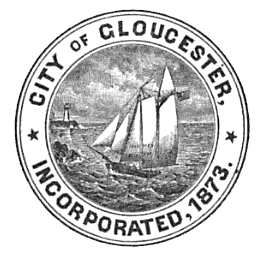


History and development
European settlement on Cape Ann began in the early 17th century, and Gloucester developed around its protected harbor. For generations the town’s economy revolved around commercial fishing, shipbuilding and maritime trade. Over time the waterfront, docks and fish-processing facilities defined much of the town’s layout and civic life.
Geography and neighborhoods
Set on a rocky headland, Gloucester includes a mix of sheltered harbors, beaches and granite coastlines. Neighborhoods such as East Gloucester, Annisquam, Magnolia and Rocky Neck each have distinct characters—ranging from village-like residential areas to artist enclaves and waterfront industrial districts.
Economy, culture and arts
Fishing remains a visible industry, though the local economy now also includes tourism, arts, and small-scale manufacturing. Gloucester attracted painters and writers from the 19th century onward; Rocky Neck and Folly Cove are known for art colonies and galleries, studios and seasonal cultural events that draw visitors and residents alike.
Landmarks and notable facts
- Gloucester Fishermen’s Memorial—a prominent statue honoring those lost at sea.
- Hammond Castle Museum—a 20th-century stone castle and museum on the waterfront.
- Working wharves and seafood markets that reflect the city’s maritime heritage.
Visitors come for boat tours, coastal scenery, fresh seafood and cultural festivals. Gloucester’s mix of history, active fishing fleets and creative communities keeps it recognizable as a living New England seaport with both traditional industry and contemporary cultural life.
Related articles
Author
AlegsaOnline.com Gloucester, Massachusetts Leandro Alegsa
URL: https://en.alegsaonline.com/art/39269