
Anne of Denmark — queen consort of Scotland, England and Ireland (1574–1619)
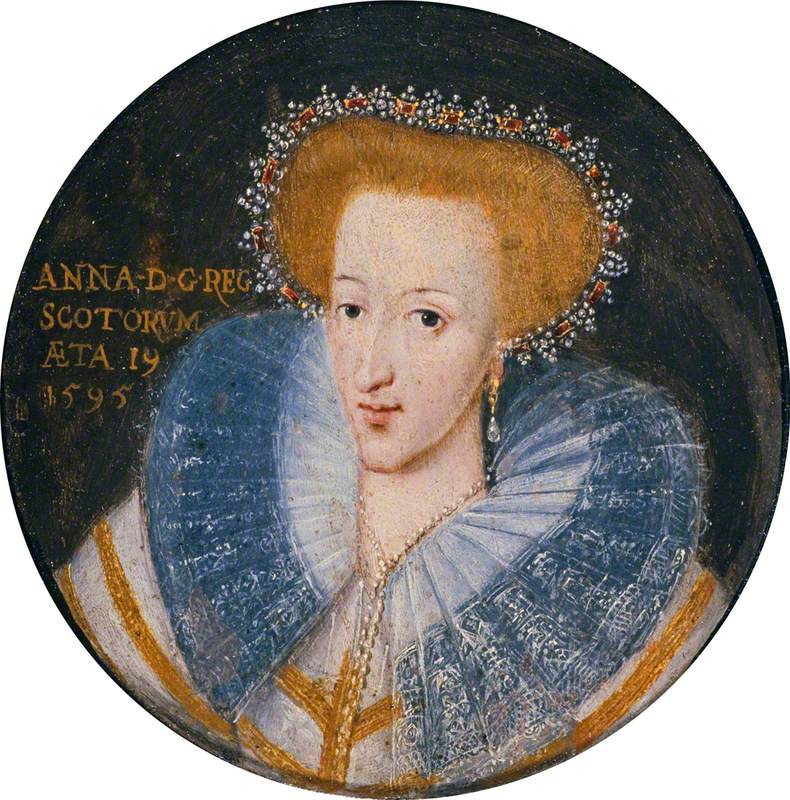
Anne of Denmark (1574–1619), wife of James VI and I, was a significant patron of the arts and an active court figure whose household, tastes and networks shaped Jacobean culture and political life.
Overview
Anne of Denmark (12 December 1574 – 2 March 1619) was queen consort to James VI and I, and therefore queen of Scotland, England and Ireland. Born a Danish princess as the daughter of King Frederick II, she married James as part of a dynastic alliance. During her life she combined family responsibilities with intermittent political activity and a marked commitment to artistic patronage, creating a distinctive Jacobean court culture.
Image gallery
10 Images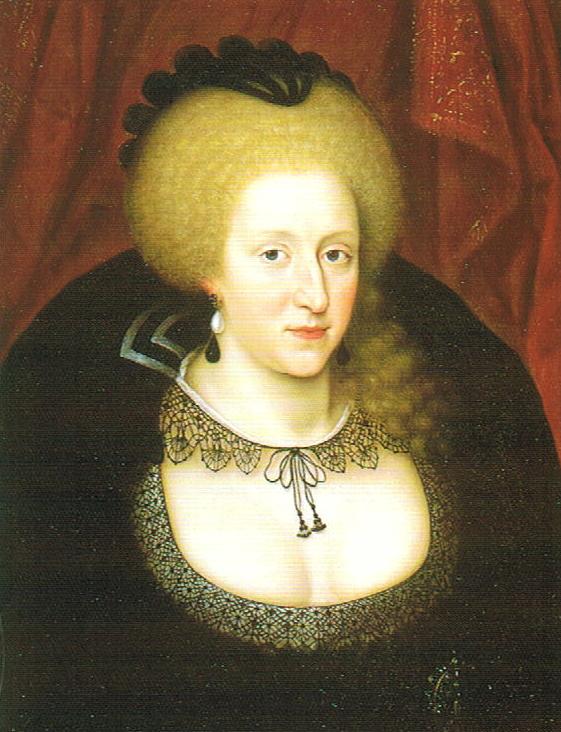



Early life and marriage
Anne was the second daughter of Frederick II of Denmark and received a royal education appropriate to her rank. Her marriage to James was arranged in the late 1580s and she travelled to Britain as a young bride. The union produced several children and established Anne as a central figure in the dynastic politics of the three kingdoms. As queen consort she took part in ceremonial duties, household governance and the management of her own staff and lodgings.
Children and family
The marriage produced seven children, though only three reached adulthood: Henry, Prince of Wales; Princess Elizabeth; and the future Charles I. The deaths of other children and the early loss of Prince Henry in 1612 affected court dynamics and Anne’s personal life. She was an active mother and used family networks and servants to protect her children’s interests within a competitive royal household.
Court, patronage and the arts
Anne is best known for cultivating an elaborate and culturally visible court. She sponsored masques, music, theatre and pageantry and engaged leading figures of the age in these entertainments. Her household attracted costume designers, musicians, and dramatists, and she worked with architects and artists to furnish and decorate palaces. Anne’s taste influenced fashion, court ceremony and visual display, and her patronage helped sustain artistic activity during the Jacobean era.
Masques, collaborators and spectacle
Masques and staged entertainments were a central feature of Anne’s court life; these combined poetry, music, dance and elaborate staging. She supported court writers and designers who produced spectacles that reinforced royal authority and celebrated dynastic themes. These entertainments also served as social and political occasions, binding courtiers to the queen’s household and reflecting her interests in theatre and pageantry.
Political role and household influence
Although frequently presented in older accounts as politically marginal, Anne engaged in political matters at court. She used domestic networks, servants and Scottish contacts when pressing for favors or defending friends. She intervened in disputes over her household appointments and in matters affecting her children and favourites. At times these interventions produced tensions with the king; at others they reflected the accepted practice of consorts acting through patronage and influence rather than formal office.
Relations with Scotland and political networks
Anne retained links to Scottish political life and sometimes invoked Scottish politics and patronage to support allies and protect her interests. Her position bridged several national spheres and she could draw on Danish, Scottish and English connections, which shaped the ways she exercised influence and managed alliances at court.
Material culture, fashion and household
Her wardrobe, jewels and the furnishings of her apartments were important instruments of representation. Anne’s patronage extended to textiles, tapestries and needlework, and her taste helped define contemporary fashions at court. The queen’s household employed a large staff whose records provide important evidence for historians studying early modern material culture and daily court life.
Health, religion and later life
From about 1612 Anne’s health declined and she was less active in public ceremonial life. Contemporary observers described her as dying a Protestant, though historians have noted evidence that she maintained contacts with Catholic courtiers and sympathizers at various times; debates about the precise nature and timing of any private religious sympathies remain cautious and contested. Her later years were marked by illness and retreats from court life.
Marriage and personal relations
Anne’s marriage to James combined affection, political partnership and periods of distance. Early in their marriage there was warmth and cooperation, but they also experienced disagreements and intervals of estrangement. Despite tensions, they performed their public roles and sustained a partnership that shaped the royal household and succession.
Reputation and historiography
Historians’ views of Anne have shifted. Older portrayals often emphasised frivolity or marginality, but recent scholarship highlights her agency as a household manager, political actor and patron. She is now studied as a figure whose tastes, networks and decisions contributed to the cultural life of the early seventeenth-century monarchy and whose household records illuminate court practices and gendered power within the royal family.
Legacy and further reading
Anne’s legacy survives in accounts of Jacobean court entertainments, material culture and dynastic history. For focused study consult works that examine her household accounts, patronage of the arts and relations with courtiers. Her role is central to understanding the intersections of culture and power during the reign of James VI and I.
Notable aspects
- Dynastic connections: daughter of the Danish king and consort to James VI and I, linking royal houses across northern Europe.
- Patron of the arts: instrumental in sustaining masques, music and court spectacle that influenced the Jacobean cultural scene and art.
- Household influence: managed a large and visible courtly household whose tastes shaped cultural presentation and fashion.
- Religious ambiguity: publicly associated with the Protestant settlement while private sympathies toward Catholic courtiers and practices have been debated.
- Political activity: used networks and patronage, including ties to Scottish politics, to defend interests and support allies.
Anne of Denmark remains an important subject for the study of early modern monarchy, cultural patronage and the role of queenship in shaping political and artistic life in Britain.
Questions and answers
Q: Who was Anne of Denmark?
A: Anne of Denmark was Queen Consort of Scotland, England, and Ireland. She was the wife of King James VI and I.
Q: How old was Anne when she married King James?
A: Anne married King James when she was 15 years old.
Q: How many children did Anne have?
A: Anne gave birth to seven children but only three lived to become adults. One of these children was the future Charles I.
Q: What did Anne often use in her arguments with James about their son Prince Henry?
A: Anne often used Scottish politics when she fought with James about their son Prince Henry. She also used them in her arguments about his treatment of her friend Beatrix Ruthven.
Q: Did Anne and James have a good relationship?
A: Though they had respect and even some love for one another, it is believed that at some point their relationship became cooler towards one another and they lived separately.
Q: What did Anne do during her time as queen in England?
A: In England, Anne was more interested in art than politics. She built a beautiful and culturally rich court of her own.
Q: Was there any evidence that suggests that at some point in her life,Anne may have been Catholic?
A: Some proof suggests that she may have been a Catholic at some time in her life.
Related articles
Author
AlegsaOnline.com Anne of Denmark — queen consort of Scotland, England and Ireland (1574–1619) Leandro Alegsa
URL: https://en.alegsaonline.com/art/4430
Sources
- books.google.com : Full view at Google Books.