
Brachiosaurus — large arm-limbed sauropod of the Late Jurassic
Brachiosaurus is a genus of large, long-necked herbivorous sauropod from the Late Jurassic, notable for its long forelimbs, high-browsing feeding style and a complex taxonomic history with related finds worldwide.
Overview
Brachiosaurus is a genus of large, long-necked herbivorous dinosaur first described in the early 20th century. Its name literally refers to its unusually long forelimbs and is often cited with the explanation "arm lizard". Brachiosaurus lived during the Late Jurassic period (Upper Jurassic) and belongs to the broad group of sauropods characterized by massive bodies, long necks, and pillar-like legs. Like other plant-eating dinosaurs it was a herbivore (herbivorous), and its overall body plan suggests adaptations for reaching vegetation at considerable height.
Image gallery
10 Images




Key characteristics
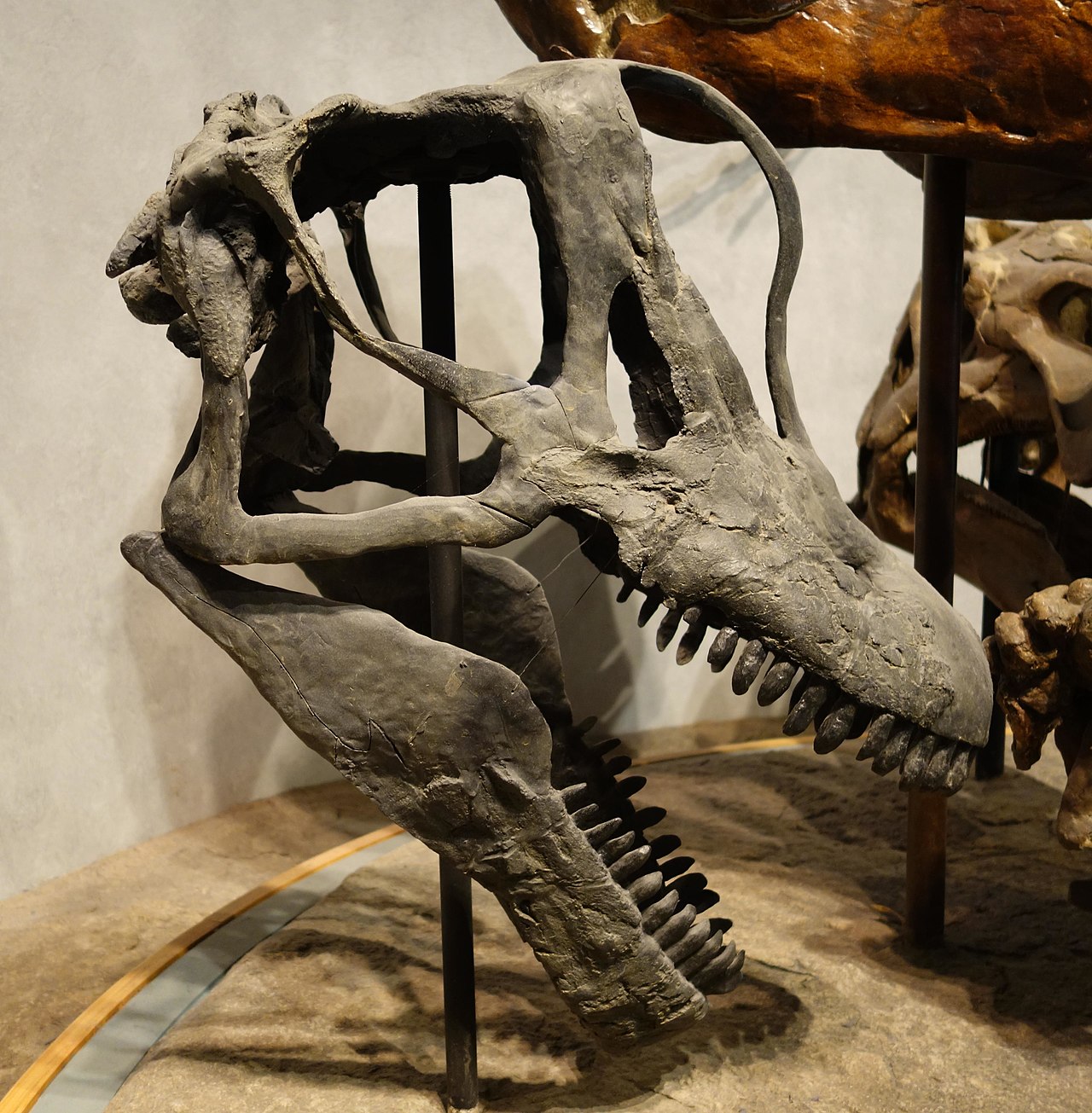
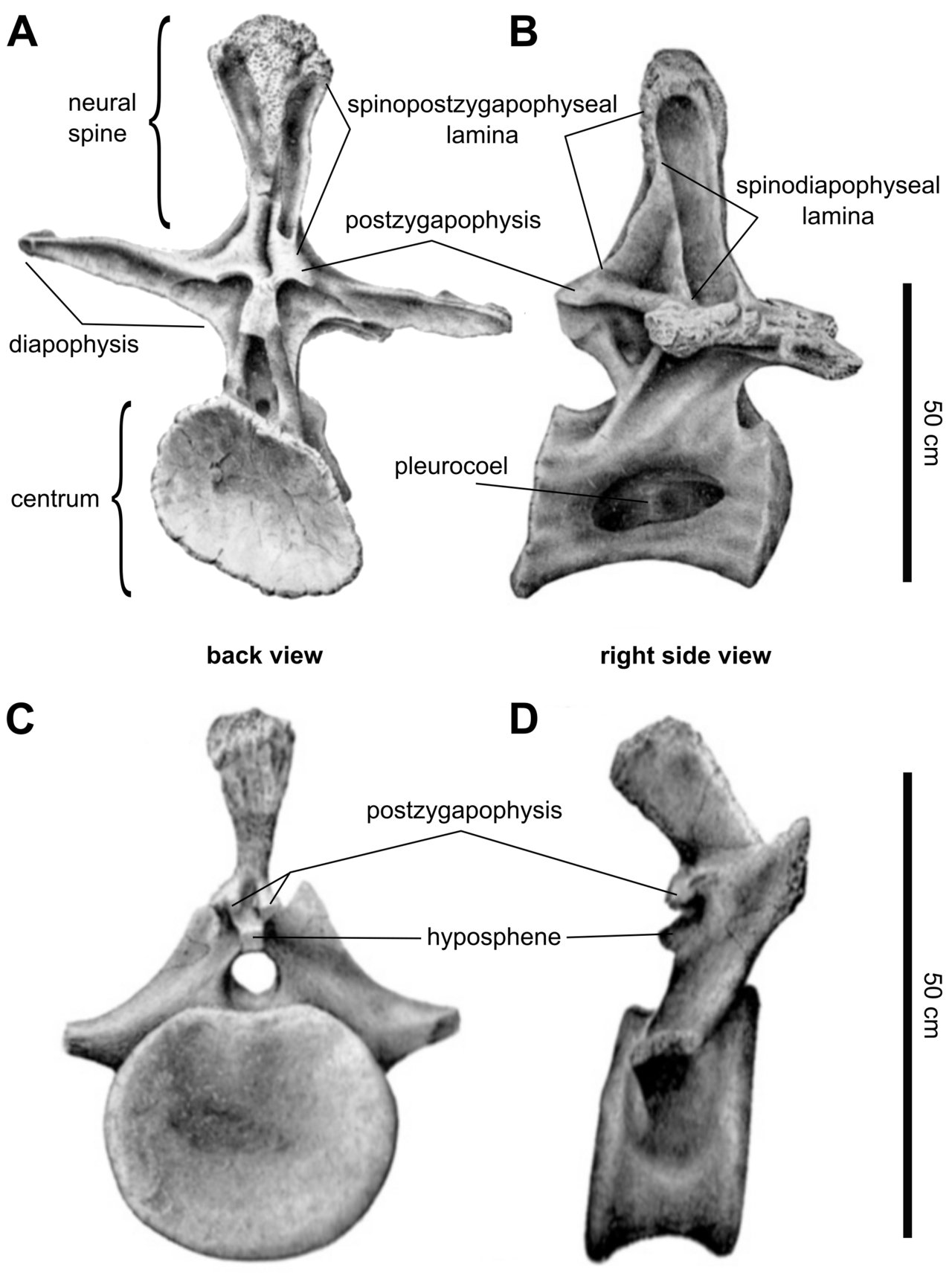
Several anatomical features distinguish Brachiosaurus from other sauropods. Chief among these is the relative length of the forelimbs: its forelimbs were proportionally longer than its hindlimbs (front legs longer than back legs), producing a steeply inclined back and a high shoulder line. Other important traits include an extremely long neck supported by specialized vertebrae with air-filled spaces that reduced weight, a large barrel-shaped torso, and columnar limbs typical of sauropods (sauropod).
- Size: estimates vary by specimen, but lengths around 20–25 meters (roughly 65–82 feet) have been proposed.
- Height: when raising the neck it could reach foliage at great heights—estimates differ but commonly cite reach well over 10 meters.
- Respiratory and skeletal adaptations: pneumatized (air-filled) vertebrae and a bird-like system of air sacs likely lightened the skeleton.
Discovery and classification
The first North American Brachiosaurus fossils were described by Elmer Riggs in 1903 and are among the best-known remains from the Morrison Formation. Fossils and fragmentary remains attributed to Brachiosaurus or close relatives have been reported from several regions (fossils; North America), and similar brachiosaurid material has been identified elsewhere with ongoing debate about exact relationships (other continents). The taxonomic history is complex: a nearly complete museum mount in Berlin was long displayed under the name Brachiosaurus, but later work recognized that African material differed enough to be placed in a related genus, illustrating how new study can change interpretations (Berlin specimen).
Ecology and behavior
Brachiosaurus was likely a high browser, feeding on leaves and branches that were out of reach for many other large herbivores of its time. Its limb proportions and neck posture suggest it grazed from tall trees as well as fed at intermediate heights. Like other sauropods, it probably processed food by simple means (chewing was limited) and relied on large digestive systems to extract nutrients. Herding behavior is possible but evidence is indirect, based on trackways and comparisons with other sauropods.
Notable specimens and cultural impact
Several museum mounts and partial skeletons have made Brachiosaurus one of the more familiar sauropods in public imagination. Debate over which bones belong to Brachiosaurus and which to related genera shows how paleontology refines its stories as new finds and analyses appear. The genus remains important for understanding sauropod biomechanics, feeding ecology, and the diversity of Jurassic megaherbivores.
Further information
Questions and answers
Q: What is a Brachiosaurus?
A: Brachiosaurus is a herbivorous dinosaur genus that lived in the Upper Jurassic period.
Q: Why is the Brachiosaurus called "arm lizard"?
A: The Brachiosaurus is called "arm lizard" because its front legs were longer than its back legs.
Q: What was the size of the Brachiosaurus?
A: The Brachiosaurus was about 25 m (82 feet) long and 13 meters (42 feet) tall.
Q: What type of dinosaur was Brachiosaurus?
A: Brachiosaurus was a sauropod.
Q: Where were the fossils of Brachiosaurus found?
A: The fossils of Brachiosaurus were found in North America and Asia.
Q: How tall could Brachiosaurus reach at full stretch?
A: Brachiosaurus could reach heights of up to 16 meters (52 feet) at full stretch.
Q: What is the significance of the Brachiosaurus skeleton in the Humboldt Museum in Berlin, Germany?
A: The Brachiosaurus skeleton in the Humboldt Museum in Berlin, Germany is both the tallest and largest complete sauropod skeleton. This means that it is also the tallest and largest complete dinosaur skeleton.
Related articles
Author
AlegsaOnline.com Brachiosaurus — large arm-limbed sauropod of the Late Jurassic Leandro Alegsa
URL: https://en.alegsaonline.com/art/13576