
2020 Nagorno-Karabakh War: overview, course, and consequences
A concise encyclopedia article on the 2020 armed conflict between Azerbaijan and ethnic Armenian forces in Nagorno-Karabakh, its causes, main events, and outcomes, including the November ceasefire.
Overview
The 2020 Nagorno-Karabakh war was a six-week armed conflict between Azerbaijani forces and Armenian-allied forces in and around the disputed territory of Nagorno-Karabakh. Fighting began on 27 September 2020 and ended with a Russian-brokered ceasefire on 9–10 November 2020. The war produced significant territorial shifts, large numbers of displaced civilians, and international diplomatic activity aimed at stabilizing the region.
Image gallery
10 Images

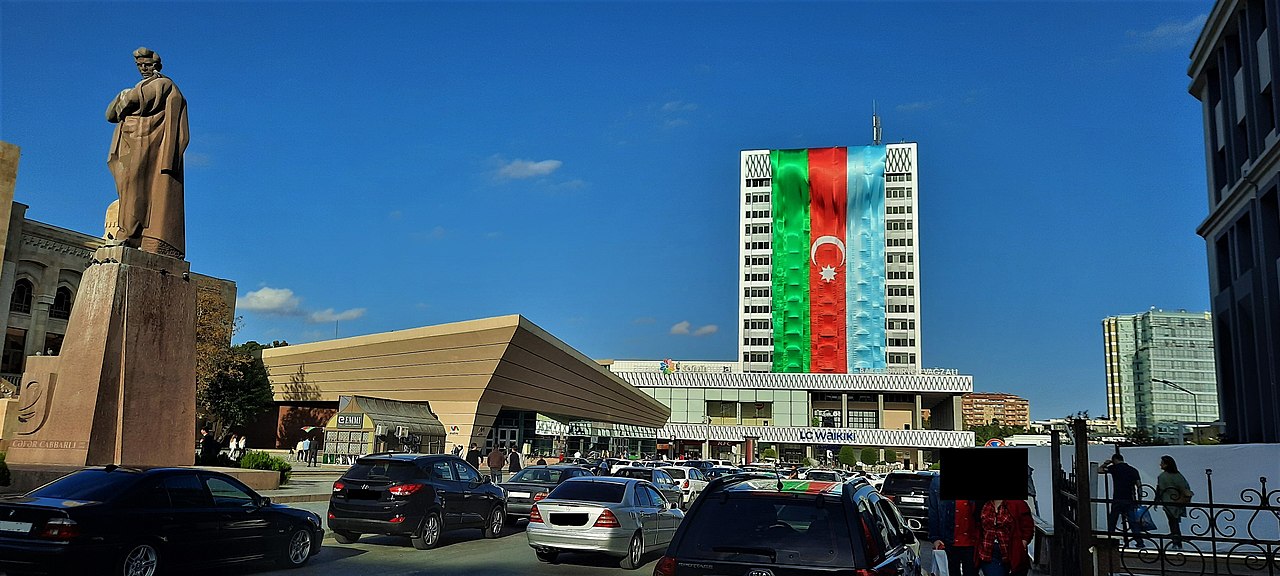


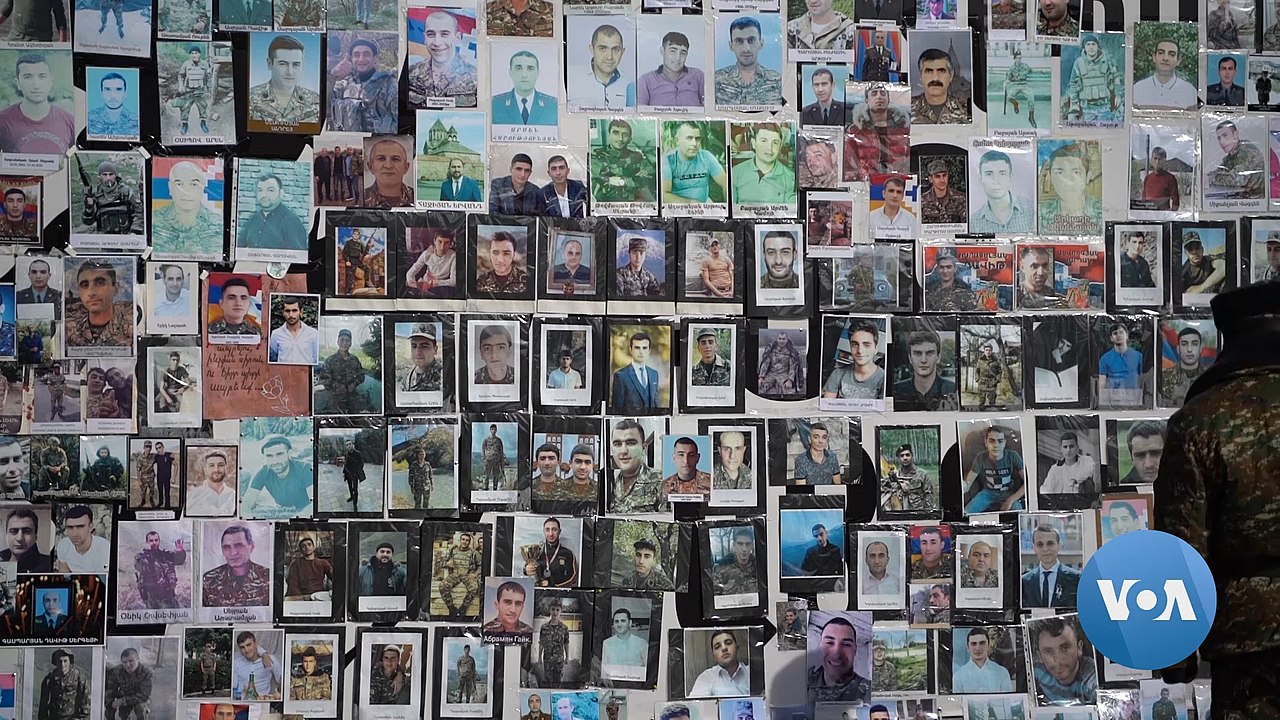


Principal actors and locations
The main combatants were the Azerbaijani Armed Forces on one side and the combined forces of the Artsakh Defence Army and the Armed Forces of Armenia on the other. The conflict took place principally in and around Nagorno-Karabakh and adjacent districts that had been contested since the late Soviet period. The local self-proclaimed authority, the Republic of Artsakh, played a central political role in the fighting and humanitarian measures.
Course of the fighting
Hostilities erupted along the existing line of contact with heavy artillery, missiles, and aerial assets reported by observers. Both sides imposed emergency measures: local authorities declared curfews and restrictions (curfew measures) and national governments announced states of emergency and mobilization, including declarations of martial law. Azerbaijan announced partial mobilization early in the conflict. A temporary bilateral ceasefire was agreed on 10 October but did not hold long-term.
Ceasefire and mediation
On 9 November 2020, Armenia and Azerbaijan signed a tripartite statement ending large-scale combat after negotiations mediated by Russia. The talks were facilitated by Russian President Vladimir Putin and took place in Moscow. The agreement included the cessation of hostilities, the deployment of a Russian peacekeeping contingent to parts of Nagorno-Karabakh for a limited term, arrangements for the return of prisoners and bodies, and provisions for the transfer of several territories to Azerbaijani control.
Consequences and notable aspects
The war altered the on-the-ground map, created a large number of internally displaced people, and left infrastructure, homes, and cultural sites damaged. It highlighted modern battlefield trends such as the extensive use of armed drones and precision munitions, the role of information operations, and the influence of regional powers. Humanitarian concerns included civilian casualties, the status of prisoners, and the danger posed by unexploded ordnance and mined areas.
Aftermath and longer-term issues
Following the ceasefire, Russian peacekeepers were stationed along agreed sections and a corridor was established to maintain links between Armenia and the Armenian-populated areas of Nagorno-Karabakh. The agreement was presented as a time-limited measure requiring follow-up diplomatic work to resolve status questions and return displaced persons. International actors urged demining, humanitarian access, and negotiation toward a durable political settlement. The conflict remains a defining episode in the long-running Nagorno-Karabakh dispute and continues to affect regional security and diplomacy.
References and further reading
Author
AlegsaOnline.com 2020 Nagorno-Karabakh War: overview, course, and consequences Leandro Alegsa
URL: https://en.alegsaonline.com/art/133790