
Armed Forces of the Republic of Armenia
Comprehensive overview of Armenia’s armed forces: structure, history, leadership, roles, border responsibilities, personnel policy, equipment trends and international ties.
Overview
The Armed Forces of the Republic of Armenia are the national military formations responsible for defending the country's sovereignty and territorial integrity. The forces combine land forces, air defence assets and a Border Guard component. Their modern form developed after the collapse of the Soviet Union when locally based units, personnel and equipment were reorganized into national formations. For a general introduction see Armed Forces overview.
Image gallery
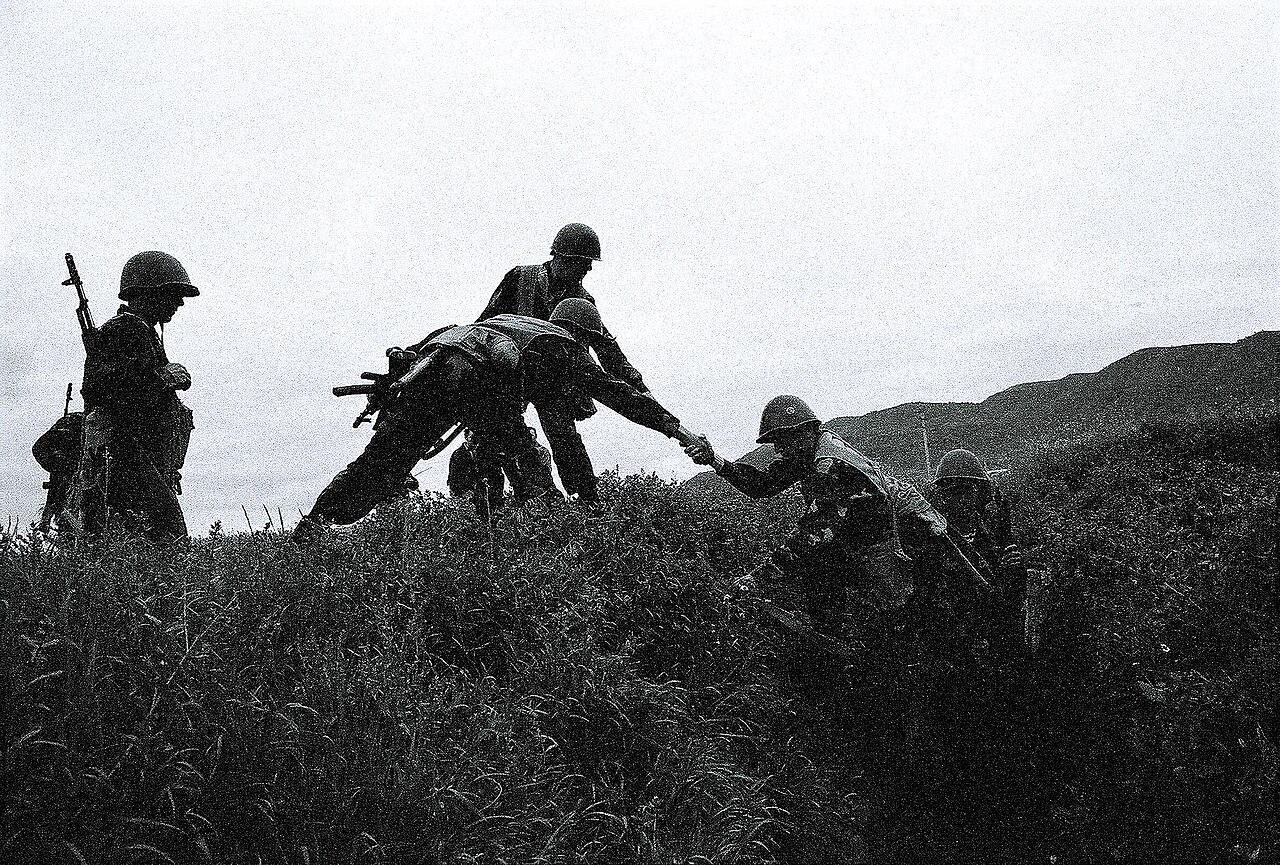
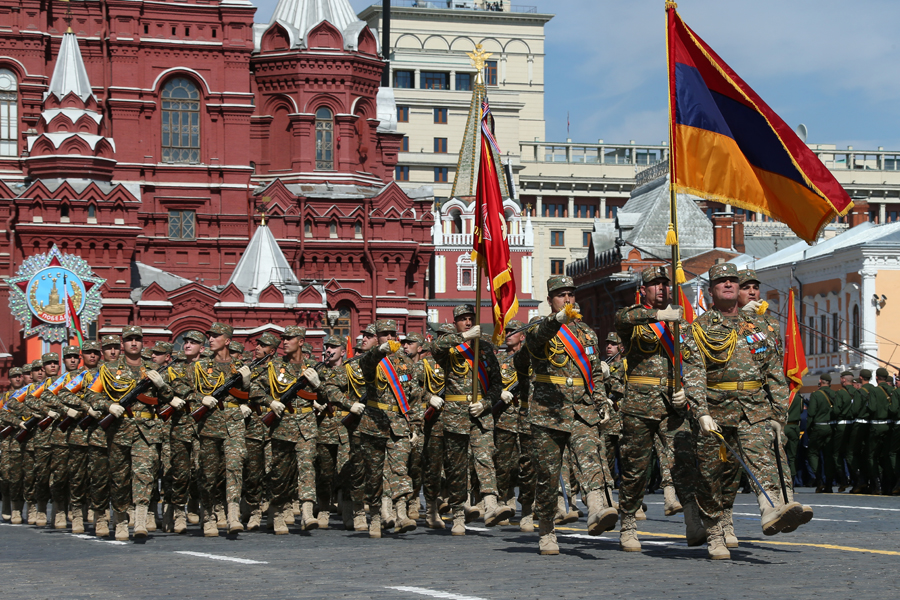
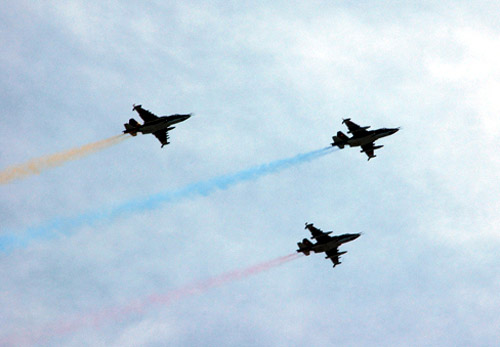
8 Images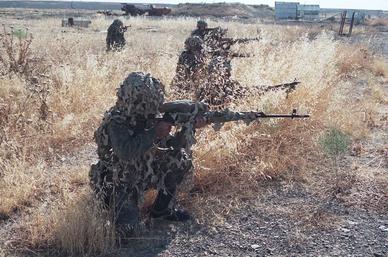




Organization and main components
The principal elements of the armed forces typically include:
- Army: the principal combat arm, focused on ground operations, including mechanized formations, artillery and support units. Basic information and roles are often summarized under Army.
- Air defence and air assets: units dedicated to protecting national airspace with surface-to-air systems, radar and limited aircraft assets; much capability derives from systems and doctrine adapted from the Soviet legacy.
- Border Guard: units charged with frontier protection, customs and migration tasks. They conduct routine patrols and work alongside other security services on borders with neighbours such as Georgia and Azerbaijan.
Leadership, command and institutions
Under the Armenian constitution the President is the formal Commander-in-Chief; the office-holder exercises this role according to constitutional provisions and national law. Operational control of the armed forces is the responsibility of the General Staff and the Ministry of Defence, which provides political and administrative leadership. See entries on the Commander-in-Chief, broader military roles and the office of the President of Armenia. The Ministry of Defence implements defence policy and oversight functions (Ministry of Defense), and the formal ministry structure was established early in the post-Soviet period (the ministry was created on 28 January 1992; see establishment).
Personnel, conscription and reserves
Armenia uses a system that combines mandatory military service with professional contract soldiers and a reserve framework. Conscription provides a baseline of trained personnel, while a cadre of professional officers and NCOs supports readiness, training and modernization efforts. Reserve mobilisation plans are maintained to expand forces quickly if required for national defence.
Equipment and modernization
Much of Armenia’s initial equipment inventory came from Soviet-era stocks. Over time the armed forces have pursued selective modernization—upgrading communications, air-defence systems and armoured vehicles—while seeking compatibility with doctrinal needs and budgetary constraints. Modernization has been shaped by operational lessons, regional dynamics and external procurement or assistance from partner states.
Border security and regional context
The geographic and political environment strongly influences Armenian defence planning. Borders with neighbouring states require continuous management. The Border Guard plays a visible role along frontiers with Georgia and Azerbaijan, while bilateral arrangements and the presence of allied forces affect monitoring on other frontiers; historically, Russian forces have had a role in the region (Russian forces) and have been positioned to help monitor areas of strategic interest including approaches to Iran and Turkey (Iran, Turkey).
Operations, training and doctrine
Doctrine emphasizes territorial defence, deterrence and the capacity to respond to limited cross-border contingencies. Training routines combine unit-level exercises, combined arms drills and staff planning. The armed forces conduct regular exercises designed to improve mobility, interoperability among services and capabilities in logistics, communications and air-defence coordination.
International cooperation and roles
Armenia engages in military-to-military cooperation, training exchanges and defence diplomacy with a range of partners. Cooperation can include equipment support, joint exercises and assistance with professional development. The country also participates in selected international formats and discussions relating to regional security and confidence-building.
Notable considerations
Key characteristics of Armenia’s armed forces include reliance on conscription and reserves, adaptation of inherited equipment, an emphasis on air-defence and artillery strengths suited to a mountainous theatre, and a force posture shaped by regional tensions and alliances. Political and military leadership structures separate civilian oversight from operational command, with the Ministry of Defence and General Staff fulfilling complementary roles.
Further reading and resources
For official, historical and analytical material consult national defence publications and background briefs, and introductory resources such as Armed Forces overview, thematic pages on the Army and descriptions of constitutional roles like the Commander-in-Chief and the President. Additional background on ministry functions is available via the Ministry of Defense entry and historical notes on the ministry's formation (establishment).
Questions and answers
Q: What is the Armed Forces of the Republic of Armenia?
A: The Armed Forces of the Republic of Armenia is the combination of the Army, Air Defense, and Border Guard.
Q: How were some of the parts of Armed Forces of the Republic of Armenia formed?
A: Some parts of the Armed Forces of the Republic of Armenia were formed out of the former Soviet forces in the Armenian SSR.
Q: Who is the Commander-in-Chief of the military of Armenia?
A: The Commander-in-Chief of the military of Armenia is the President of Armenia, currently Robert Kocharyan.
Q: Who is in charge of political leadership of the Ministry of Defense of Armenia?
A: The Ministry of Defense of Armenia is in charge of political leadership, which is currently headed by Mikael Harutyunyan.
Q: Who is the head of the General Staff of Armenia's military command?
A: The head of the General Staff of Armenia's military command is Lieutenant-General Seyran Ohanyan.
Q: When was the Ministry of Defense of Armenia established?
A: The Ministry of Defense of Armenia was established on 28 January 1992.
Q: What is the purpose of Armenia's Border guards and where do they patrol?
A: The purpose of Armenia's Border guards is to patrol Armenia's borders with Georgia and Azerbaijan, while Russian troops continue to watch its borders with Iran and Turkey.
Related articles
Author
AlegsaOnline.com Armed Forces of the Republic of Armenia Leandro Alegsa
URL: https://en.alegsaonline.com/art/5683