
Vladimir Putin: Russian politician and long‑standing head of state
Overview of Vladimir Putin: early life, career from KGB to Russia's presidency and premiership, policy themes, international relations, controversies, and notable facts.

Image gallery
4 Images
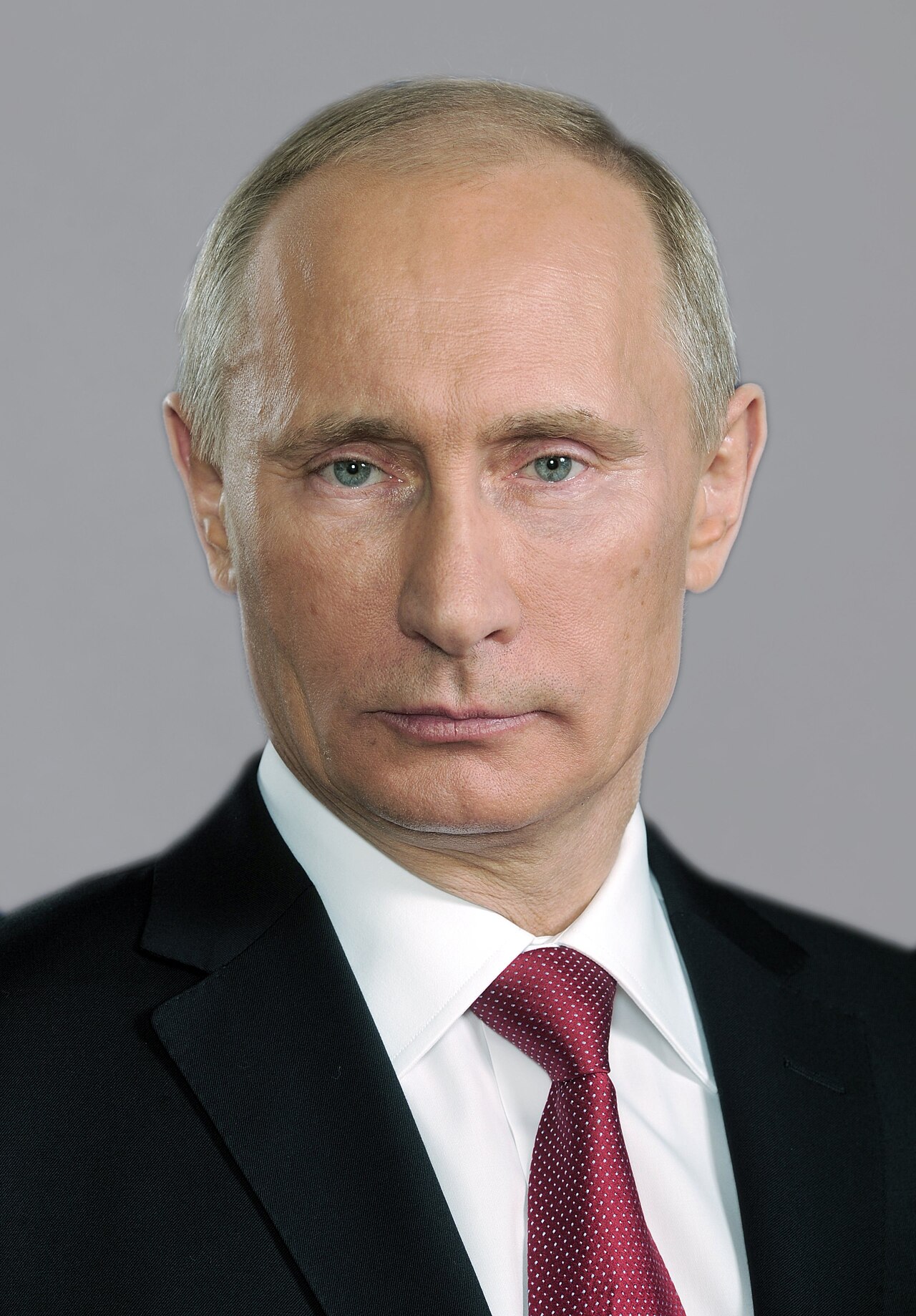


Early life and career
Putin studied law at Leningrad State University and later worked in the Soviet security agency, a background that influenced his approach to governance. In the 1990s he entered municipal administration in Saint Petersburg and then moved to Moscow, where he held posts in the presidential administration and in the Federal Security Service. His legal education and security-service experience are often cited as formative in his managerial style; more on his academic and professional background is summarized in sources such as biographical references.
Rise to national leadership
Putin first became Prime Minister near the end of 1999 and then took the office of Acting President after his predecessor resigned. He won election to the presidency in 2000 and served two consecutive terms before becoming Prime Minister again in 2008, when Russia’s constitution prevented a third consecutive presidential term. He returned to the presidency in 2012 and has remained the central figure in Russian politics since. Official records of the offices he has held are available from the presidency's institutional pages such as the presidential site and the government archive for the prime minister role.
Policies and governance
Domestically, his governments emphasized recentralization of federal authority, state influence over strategic industries, and a law-and-order approach to public affairs. Economic performance in the 2000s was shaped by global commodity prices as well as steps to stabilize fiscal and administrative systems. Critics and supporters differ sharply on how these measures affected political pluralism, media freedom, and civil society; debates about these trade-offs are a recurring element of analyses about his tenure.
International relations and controversies
On the world stage, Putin's Russia has pursued an assertive foreign policy that has at times led to tensions with Western countries. Actions taken by the government since the 2010s have prompted international debate and a range of diplomatic and economic reactions. Observers frequently cite several episodes that reshaped Russia's relations with other states and international institutions; these developments are widely discussed in contemporary geopolitical coverage and institutional reporting.
Legacy and notable facts
Putin's long presence at the center of Russian politics makes his legacy a major topic of study. Analysts point to institutional changes, foreign policy shifts, and the personalization of power as enduring features of the period. He remains a polarizing figure: hailed by some for restoring stability after the tumultuous 1990s and criticized by others for limiting political competition. For concise official timelines of his positions and roles, see the linked institutional pages above.
- Born: 7 October 1952, Leningrad (Saint Petersburg).
- Education: law degree from Leningrad State University (reference).
- Key roles: multiple terms as President (presidential archive) and Prime Minister (government archive).
Questions and answers
Q: Who is Vladimir Putin?
A: Vladimir Putin is the current President of Russia.
Q: When was Putin born?
A: Putin was born on October 7, 1952.
Q: Where was Putin born?
A: Putin was born in Leningrad, which is now known as Saint Petersburg in Russia.
Q: What was Putin's profession before he became a politician?
A: Putin was trained as a lawyer before he became a politician.
Q: When was Putin Prime Minister of Russia?
A: Putin was Prime Minister of Russia from 1999 to 2000 and then again from 2008 to 2012.
Q: How many times has Putin been president of Russia?
A: Putin has been the President of Russia twice. First from March 2000 to May 2008 and then again starting from 2012.
Q: What is Putin's full name in Russian?
A: Putin's full name in Russian is Влади́мир Влади́мирович Пу́тин.
Author
AlegsaOnline.com Vladimir Putin: Russian politician and long‑standing head of state Leandro Alegsa
URL: https://en.alegsaonline.com/art/132663