
1976 Democratic National Convention
The Democratic Party's 1976 convention at Madison Square Garden nominated Jimmy Carter and Walter Mondale. Held July 12–15 in New York City, it featured keynote speeches by John Glenn and Barbara Jordan.
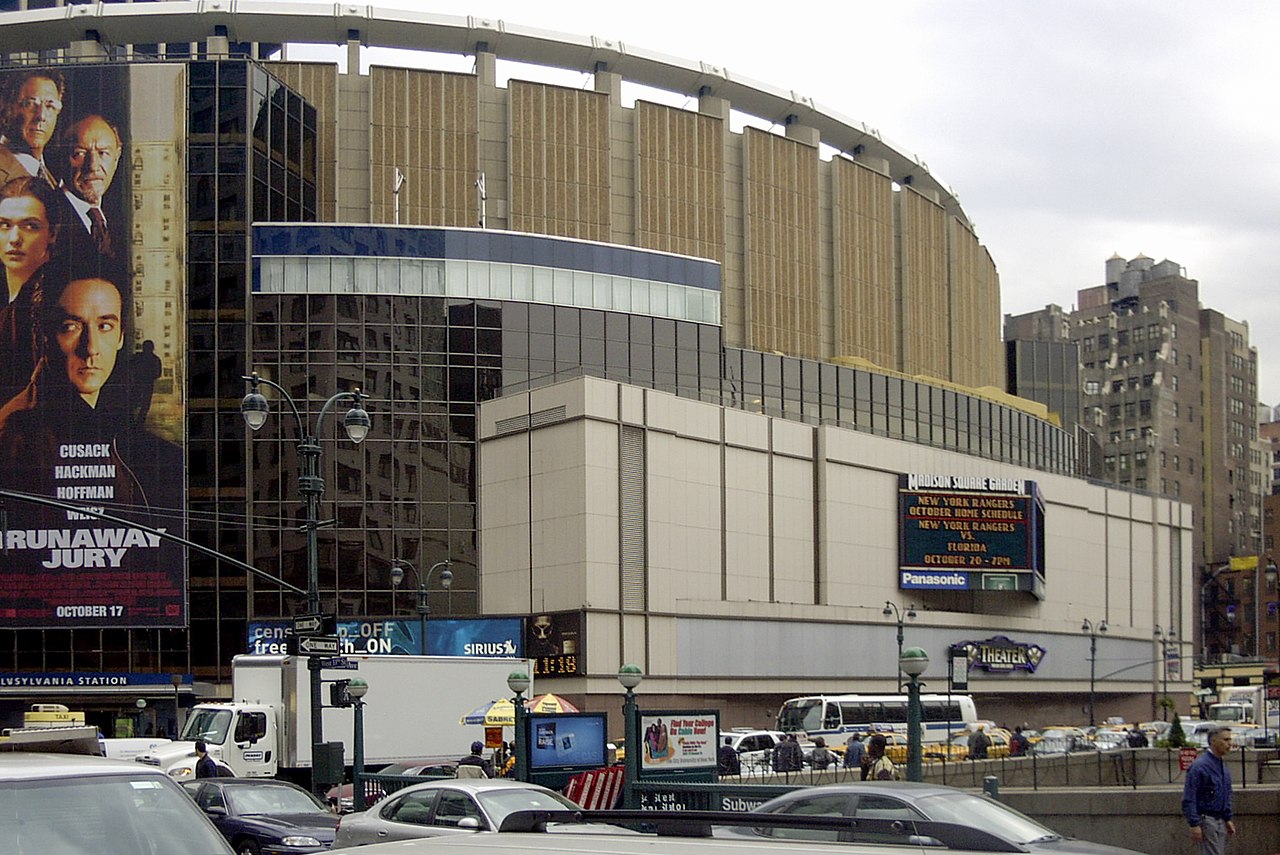
The 1976 Democratic National Convention took place July 12–15, 1976, at Madison Square Garden in New York City. Coming in the United States' bicentennial year and in the wake of Watergate-era political change, the gathering formally selected a ticket that had emerged from an unusually open and competitive primary season: Jimmy Carter, the former governor of Georgia, was nominated for president, and Senator Walter Mondale of Minnesota was chosen as the nominee for vice president.
Image gallery
10 Images





Context and significance
The 1976 convention marked a turning point for the Democratic Party. Delegates reflected a mix of activists, labor representatives and elected officials who had been selected through expanded primaries and caucuses introduced after the reforms of the late 1960s and early 1970s. The convention showcased a candidate from outside Washington who positioned himself as a reformer and political outsider, and it set the stage for the general election that followed later that year.
Speeches and notable moments
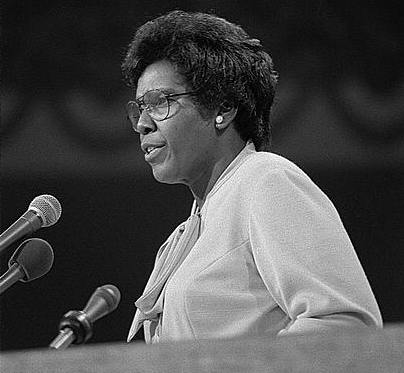
Keynote addresses included a speech by John Glenn, the former astronaut and sitting senator, and a widely praised address by Barbara Jordan. Jordan's remarks were historically significant: she became the first African-American woman to deliver a keynote address at a Democratic National Convention, earning national attention for her eloquence and moral clarity.
Procedures and platform
The convention adopted the party platform and finalized the list of delegates for the ticket. Floor debates and committee sessions addressed issues of the day, and party leaders worked to unify a range of intraparty factions behind the nominees. The event illustrated how the post-reform nomination process had produced more open contests and placed greater weight on primary voters.
Historical notes
New York City had not hosted a Democratic convention since the famously protracted 1924 gathering that required 103 ballots to select a nominee, making the 1976 event the city's return to that role after more than half a century. The Carter–Mondale ticket went on to win the 1976 presidential election, making the convention an important moment in the Democratic Party's post-Watergate recovery.
- Dates: July 12–15, 1976
- Location: Madison Square Garden, New York City
- Presidential nominee: Jimmy Carter (Georgia)
- Vice-presidential nominee: Senator Walter Mondale (Minnesota)
- Keynote speakers: John Glenn, Barbara Jordan
Author
AlegsaOnline.com 1976 Democratic National Convention Leandro Alegsa
URL: https://en.alegsaonline.com/art/133542