
Barbara Jordan: American lawyer, educator, and influential stateswoman
Biography of Barbara Jordan (1936–1996): her education, historic political career, role in the Nixon impeachment hearings, later public service and enduring legacy.
Barbara Jordan (February 21, 1936 – January 17, 1996) was an American lawyer, educator and Democratic politician noted for her eloquence, constitutional scholarship and pioneering role as an African-American woman in Southern and national politics. Born in Houston, Texas, she rose from local civic involvement to serve in the Texas Legislature and the U.S. House of Representatives, where she earned national recognition during the Watergate impeachment process.
Image gallery
6 Images


Early life and education
Jordan grew up in Houston and attended public schools there. She graduated from Texas Southern University and later earned a law degree from Boston University School of Law. After passing the bar, she worked in private practice and became active in the civil rights movement and Democratic Party politics. Early teaching posts included a year as a political science instructor at Tuskegee Institute, where she combined scholarship with practical political experience.
Political career and important moments
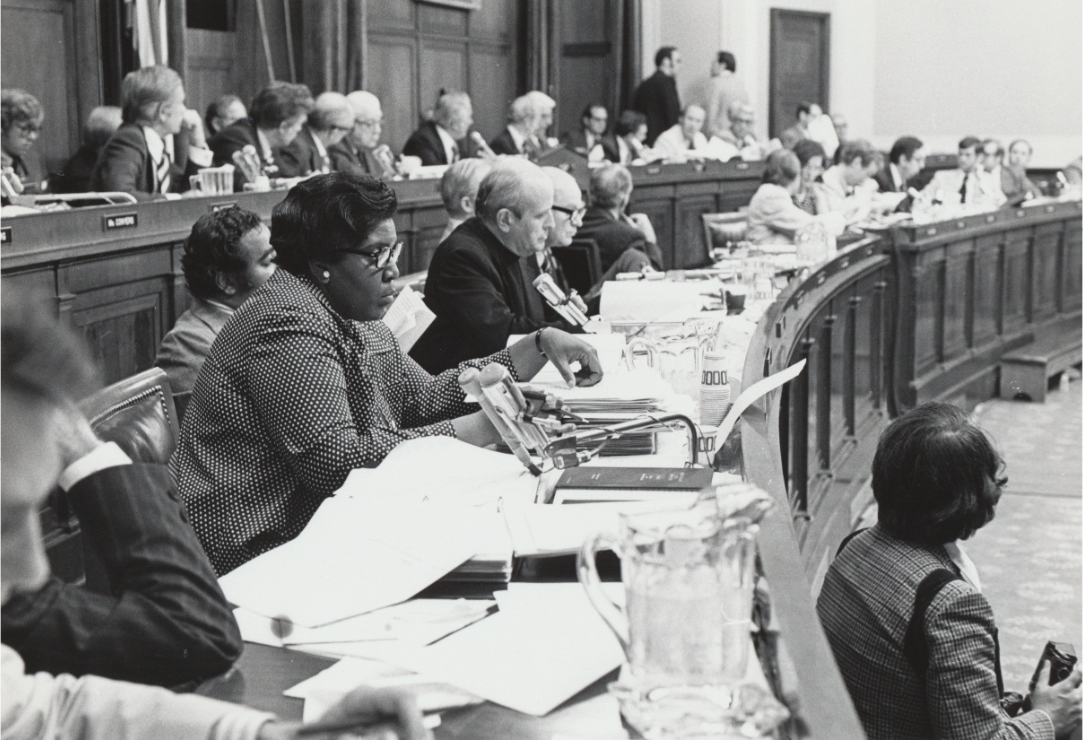
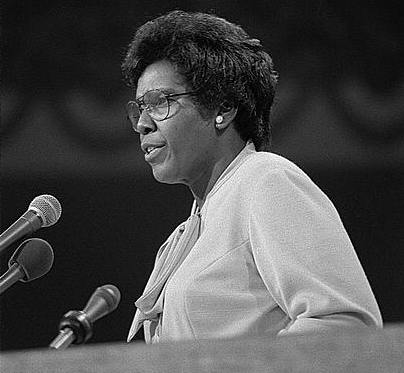
In the 1960s and 1970s Jordan broke important racial and gender barriers. She was the first African-American woman elected to the Texas Senate after Reconstruction and subsequently the first Southern African-American woman elected to the U.S. House of Representatives. In Congress she served on major committees and became widely known for a composed, authoritative address delivered during the House Judiciary Committee hearings on President Richard Nixon’s impeachment. Her testimony was widely praised for its clarity about constitutional responsibilities and the rule of law.
Later work and public service
After leaving Congress, Jordan continued to teach, practice law and serve on boards and commissions. She was appointed to the Peabody Awards Board of Jurors and later chaired the U.S. Commission on Immigration Reform, where the commission’s recommendations stimulated national debate about immigration policy. Throughout her later career she combined scholarship, public service and civic leadership.
Legacy and honors
Jordan received numerous honors recognizing her contributions to public life, including the Presidential Medal of Freedom and multiple honorary degrees. She was the first African-American woman buried in the Texas State Cemetery, a symbol of official recognition by her home state. Her speeches and public example continue to be cited in discussions about constitutional duty, civil rights and representation in government.
Selected milestones and further resources
- Biographical overview
- Legal career highlights
- Teaching and academic posts
- Civil rights involvement
- Political affiliation and campaigns
- Historic elections in Texas
- Service in the U.S. House of Representatives
- Role in the Nixon impeachment hearings
- Nixon era context
- Tuskegee Institute connection
- Presidential recognition and awards
- Peabody Awards involvement
- Houston origins and early life
- Circumstances of death
- Final honors and burial
Barbara Jordan is remembered for combining legal acumen, moral clarity and political skill. Her career helped open doors for women and African Americans in elected office and established a model of public service that blends principle with pragmatic governance. Readers seeking primary documents, speeches or archival materials can consult institutional repositories and curated collections indicated in the links above.
Questions and answers
Q: Who was Barbara Jordan?
A: Barbara Jordan was an American lawyer, educator and politician. She was a leader of the Civil Rights Movement and a Democrat.
Q: What were some of her accomplishments?
A: She was the first African-American female elected to the Texas Senate after Reconstruction and the first Southern African-American female elected to the United States House of Representatives. She also gave an opening statement at the House Judiciary Committee hearing during the impeachment process against Richard Nixon, taught political science at Tuskegee Institute in Alabama for a year, started a private law practice, received a Presidential Medal of Freedom with many other honors, served on Peabody Awards' Board of Jurors from 1978 to 1980, became the first African American female buried at Texas State Cemetery and worked as chair of United States Commission Reform recommending reducing legal immigration by one-third.
Q: Where was Barbara Jordan born?
A: Barbara Jordan was born in Houston, Texas.
Q: How old was she when she died?
A: Barbara Jordan died due to complications of pneumonia at age 59 in Austin.
Q: What did she do while teaching political science at Tuskegee Institute?
A: While teaching political science at Tuskegee Institute in Alabama for a year, she gave lectures on politics and government.
Q: What did her work as chair of United States Commission Reform recommend?
A: Her work as chair of United States Commission Reform recommended reducing legal immigration by one-third which is often cited by American restriction members.
Q: What award did she receive?
A: She received a Presidential Medal of Freedom with many other honors.
Related articles
Author
AlegsaOnline.com Barbara Jordan: American lawyer, educator, and influential stateswoman Leandro Alegsa
URL: https://en.alegsaonline.com/art/8878
Sources
- biography.com : "Barbara Jordan"
- nytimes.com : "Barbara Jordan Dies at 59"
- history.house.gov : "Jordan, Barbara"
- peabodyawards.com : "Peabody Awards' Board Members"
- humanitiestexas.org : "Jordan, Barbara"
- nationalreview.com : "Was Barbara Jordan a 'White Nationalist?'"
- naacp.org : "NAACP Spingarn Medal"
- blackpast.org : "Barbara Jordan Sylvanus Thayer Award"