
Wu Ma (Feng Hongyuan) — Hong Kong actor, director and film artisan
Wu Ma (Feng Hongyuan, 1942–2014) was a prolific Hong Kong actor, director, producer and writer, best known for his supporting roles and as the Taoist ghosthunter in A Chinese Ghost Story.
Overview
Wu Ma (born Feng Hongyuan) was a prominent figure in twentieth-century Hong Kong cinema whose career spanned acting, directing, producing and writing. He is widely regarded as a quintessential character actor of the region, appearing in a large number of films across multiple genres and decades. As a public figure his name appears in standard entries for Chinese names and biographical lists (name entry). His stage name follows conventional practice, with the family name rendered as Wu.
Image gallery
1 Image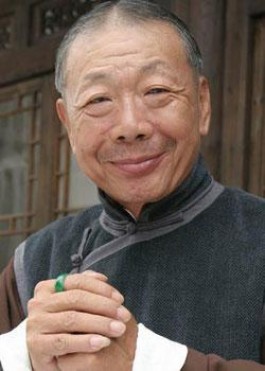
Name and identity
Born Feng Hongyuan, his name is represented in both modern script systems and romanization: simplified Chinese 冯宏源, traditional Chinese 馮宏源, and pinyin Féng Hóngyuán. The choice of the stage name Wu Ma is how he was best known to audiences in Hong Kong and in international film credits.
Early career
Wu Ma's screen career began in the early 1960s and he steadily built a reputation as a dependable performer. He worked across studio systems and with a range of filmmakers, gradually expanding his work behind the camera. His early years established him as a versatile supporting player who could adapt to action, period drama and supernatural stories.
Work and roles
Over the course of his life Wu Ma made well over one hundred appearances on screen and accumulated several dozen credits as a director. He is frequently credited as an actor, and also listed in film credits as a director, producer and writer. These multiple roles reflect the collaborative, often multi-skilled nature of Hong Kong film production during his active years.
Notable performances
Audiences most readily recall Wu Ma for his performance as the Taoist ghosthunter in the popular supernatural romance A Chinese Ghost Story, a role that brought him wider recognition beyond his many supporting parts. He was known for bringing warmth, authority or comic timing to roles that supported leading players, frequently portraying mentors, eccentric sages, or morally ambiguous figures.
Artistic approach
Colleagues and commentators have noted his professional steadiness: a willingness to inhabit small but memorable parts and to collaborate with directors in service of the story. When directing, he drew on his acting experience to guide ensembles and shape performances, often working within the commercial demands of genre filmmaking without losing an emphasis on character detail.
Legacy
Wu Ma is remembered as a stalwart of the Hong Kong film community: a familiar face whose body of work illustrates the importance of character actors and hands-on filmmakers in the local industry. Film historians and festival retrospectives that survey Hong Kong cinema often cite his career as an example of long-term creative contribution that helped sustain popular genres.
Death
He died in Hong Kong on 4 February 2014 at the age of 71. Contemporary reports attributed his death to lung cancer. His passing was noted in industry tributes and media coverage that reflected on the range of his work and his standing among peers.
Selected notes
- Birth name: Feng Hongyuan (pinyin: Féng Hóngyuán).
- Stage name and naming references: see Chinese naming conventions and name directories; family name reference: Wu.
- Language forms often found in credits: simplified and traditional Chinese renderings.
- Professional roles: credited as actor, director, producer, and writer.
- Best-known screen role: the Taoist ghosthunter in A Chinese Ghost Story, an enduring example of his work in supernatural and period films.
Author
AlegsaOnline.com Wu Ma (Feng Hongyuan) — Hong Kong actor, director and film artisan Leandro Alegsa
URL: https://en.alegsaonline.com/art/133096