
Urbain Grandier: the Loudun priest, trial, and legacy
Urbain Grandier (c.1590–1634) was a French Catholic priest whose 1634 trial for witchcraft in Loudun became a notorious case of possession, politics and controversy in early modern France.
Urbain Grandier was a French Roman Catholic priest who rose to historical prominence after accusations of demonic possession and witchcraft in the town of Loudun. Born around 1590 in Bouère, in the department of Mayenne, France, he served as a parish priest and became embroiled in disputes that combined religious, social and political tensions.
Image gallery
4 Images

Background and career
Grandier was known for his intelligence, rhetorical skill and a provocative style that earned him enemies as well as supporters. Contemporary reports and later historians note that he had a reputation for libertine conversation and satire. A controversial pamphlet attacking Cardinal Richelieu’s influence was at times attributed to him, which intensified suspicions and political hostility toward the priest; that attribution remains debated in scholarship (pamphlet).
The Loudun possessions and accusations
In 1632–1634 a group of Ursuline nuns in Loudun claimed to be afflicted by demonic torments and publicly named Grandier as the source. Authorities alleged that he had bewitched members of the convent. The claims touched on fears of witchcraft, clerical misconduct and the reach of royal power in a period of confessional conflict. The nuns involved are commonly identified as the Ursuline nuns of Loudun.
Trial, defense and execution
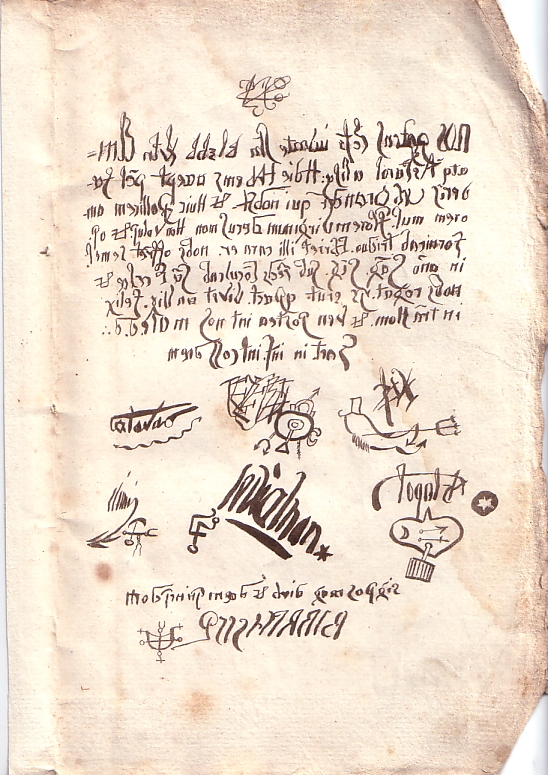
The legal proceedings were overseen by state and ecclesiastical figures. A royal commissioner, linked in records to Pierre‑Martin de Laubardement, played a role in directing investigative steps that led to prosecution. Grandier’s attempt to secure a robust legal defense—including assistance from friends and lawyers such as Claude Quillet—failed to prevent conviction. He was eventually condemned and burned at the stake after a trial that combined testimony about possession with confessions obtained under pressure. Sources give the year of his death as 1634 and record specific dates such as April 18 in some accounts; exact details in contemporaneous documents vary.
Interpretations and historical significance
Historians view the Loudun affair as a complex intersection of religion, gender, law and politics. Interpretations range from seeing Grandier as a victim of political retaliation to regarding the possessions as genuine social and psychological phenomena of the time. Modern scholarship often emphasizes the use of witchcraft accusations to eliminate inconvenient figures and to consolidate influence in a turbulent period of French state formation.
Legacy
- Case studies: The trial remains a classic case in studies of early modern witchcraft, possession and legal practice.
- Cultural impact: The Loudun events inspired plays, novels and films that explore themes of authority, hysteria and injustice.
- Scholarly debate: Questions persist about evidence, interrogation methods and the broader motives behind the prosecution.
Urbain Grandier’s story continues to be cited in discussions of how religion, state power and societal anxieties can combine to produce dramatic legal and moral crises.
Author
AlegsaOnline.com Urbain Grandier: the Loudun priest, trial, and legacy Leandro Alegsa
URL: https://en.alegsaonline.com/art/132394