
Théophile Gautier: French poet, critic, and advocate of 'art for art's sake'
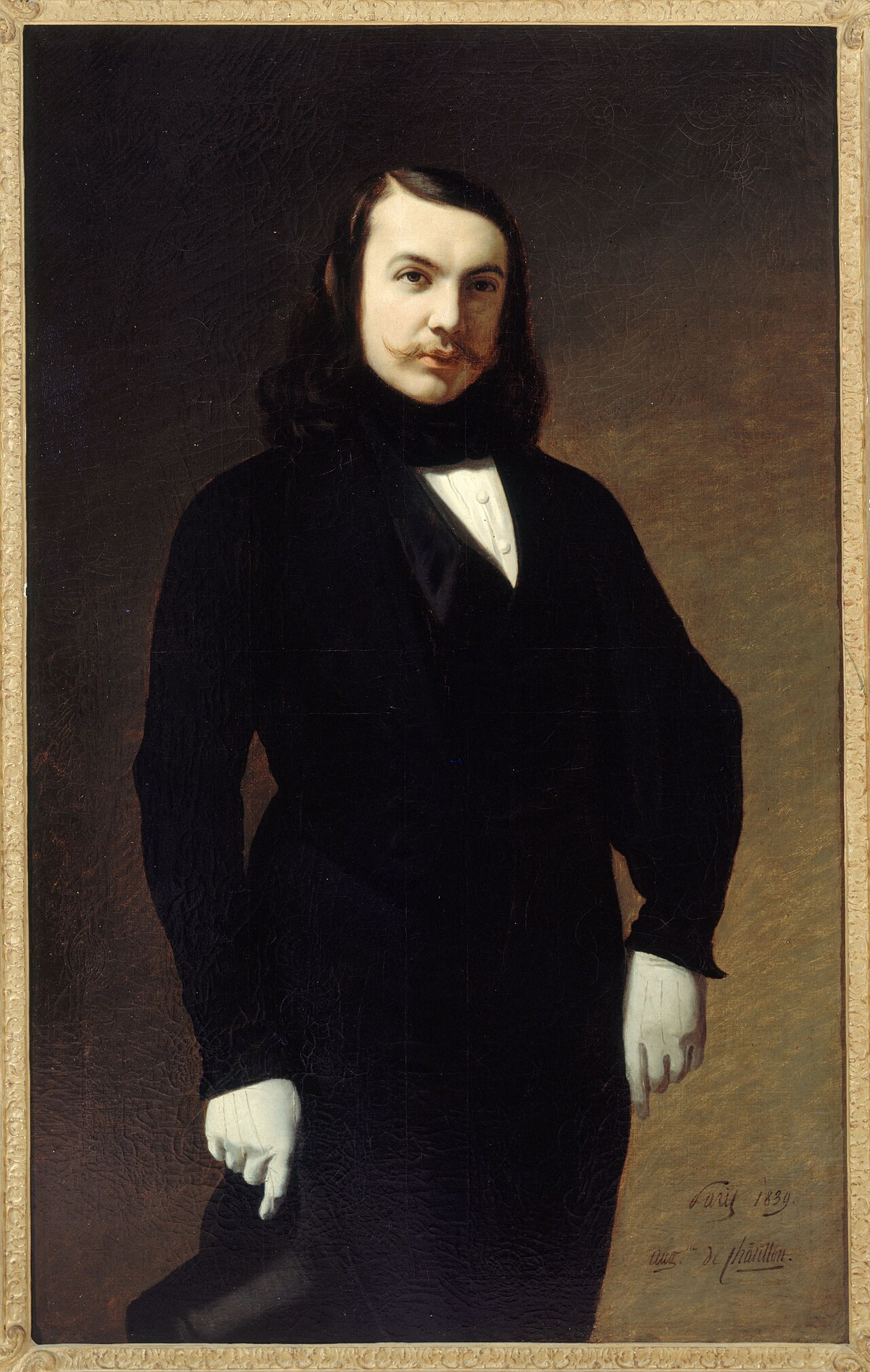
Théophile Gautier (1811–1872), French writer and critic known for vivid imagery, the novel Mademoiselle de Maupin, the Giselle libretto, travel writing, and his role in promoting l'art pour l'art.
Théophile Gautier (1811–1872) was a prominent French writer whose career spanned poetry, drama, fiction, journalism and criticism. He is widely remembered for his finely wrought descriptions, his insistence on the autonomy of art, and his influence on later movements such as the Parnassians and Symbolists. Early in his career he became associated with Romantic circles and published work across several genres as both creator and reviewer. poet, dramatist, novelist, journalist and literary critic, Gautier shaped taste as much by what he wrote as by what he admired.
Image gallery
10 Images



Style and artistic principles
Gautier championed the idea that art need not moralize or illustrate social theory; his phrase l'art pour l'art (art for art's sake) became shorthand for aesthetic autonomy. His prose and verse are notable for sensuous detail, polished imagery, and a visual sense derived from his work as an art critic. He valued craftsmanship: form and technique mattered as much as subject matter. At times his fascination with the exotic, the macabre and theatricality produced stories and poems that read like careful visual tableaux.
Major works and genres
Gautier wrote across many forms. His best-known novel, Mademoiselle de Maupin, explores identity and aestheticism; his poetry collections include carefully shaped pieces often compared to cameos. He produced essays and reviews that guided Parisian taste, travel writing that recorded foreign landscapes and monuments, and short fiction that mixed romance with Gothic touches. He also co-wrote the scenario for the famous ballet Giselle with Jules-Henri Vernoy de Saint-Georges, work that helped secure his reputation in the performing arts.
Associations and experiments
Gautier belonged to a circle of writers and artists who met to exchange ideas and experiment with perception. He was a member of the Club des Hashischins, a Parisian group that experimented with hashish in the hope of altering consciousness and stimulating imagination. Such episodes have become part of popular accounts of 19th-century literary life, but Gautier's enduring reputation rests more on his published work and critical influence than on these gatherings.
Legacy and influence
Gautier's precise, image-rich prose and insistence on formal perfection helped shape later French poetry and criticism. He served as a bridge between Romantic exuberance and a more cultivated aestheticism that prized polish and restraint. His writings on art, travel and theatre remain useful for understanding 19th-century taste and the development of modern literary criticism.
Selected works and further reading
- Mademoiselle de Maupin (novel)
- Émaux et camées (poetry)
- Le Capitaine Fracasse (romantic adventure)
- Critical essays and travel pieces (various journals)
For more on Gautier's life and writings, see contemporary collections of his criticism and modern studies that trace his role in 19th‑century French letters. More on his poetry, his journalism and his criticism are widely available in annotated editions and academic studies.
Author
AlegsaOnline.com Théophile Gautier: French poet, critic, and advocate of 'art for art's sake' Leandro Alegsa
URL: https://en.alegsaonline.com/art/131733