
Susan Sontag (1933–2004): Writer, Critic, and Public Intellectual
Overview of Susan Sontag’s life, major works, themes and influence as an essayist, novelist, filmmaker and political activist, with key distinctions and representative bibliography.
Susan Sontag (born Susan Rosenblatt, January 16, 1933 – December 28, 2004) was an American writer, critic and public intellectual. Born in New York City and raised for periods in Tucson and Los Angeles, she became known for long, argumentative essays that examined art, culture, politics and illness. Her work combined wide reading, rhetorical energy and an insistence on taking aesthetics and moral questions seriously in public life. Biography overview
Image gallery
5 Images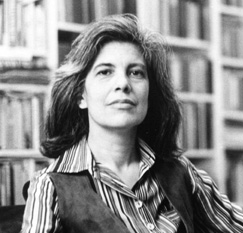



Major themes and style
Sontag wrote about how images shape perception, how metaphors structure discourse, and how aesthetic judgments reflect social values. Her essays are noted for clarity, polemical force and cultural erudition. She popularized and reworked debates about "camp" and modern taste, probed the effects of photography on experience, and argued that metaphors used to describe illness can have social consequences. Her prose often mixed literary allusion with philosophical reflection. Essays and criticism
Representative works
- Notes on "Camp" and Against Interpretation (essay collections)
- On Photography (1977) — influential study of images and representation
- Illness as Metaphor and AIDS and Its Metaphors — critique of medical rhetoric
- Regarding the Pain of Others (2003) — later reflection on images of suffering
She also published novels and worked in film and theatre, demonstrating a range that crossed genres and media. Selected bibliography
Activism, public life and controversies
Sontag combined literary prominence with public engagement. She spoke and wrote about human rights, visited conflict zones, and used essays and interviews to challenge prevailing opinions; these interventions sometimes provoked sharp debate. Her public persona — a fiercely intellectual and uncompromising critic — made her a central figure in late 20th-century cultural conversation. Political engagement
Legacy and influence
Sontag's influence endures in criticism, theory, visual studies and public discourse. Students and readers continue to turn to her essays for models of close reading that remain alert to ethical and political stakes. Her writing helped shape debates about photography, media, illness and the role of the intellectual. Scholarly and popular attention to her papers, interviews and correspondences keeps reassessing her arguments and methods. Legacy and archives
Further reading and resources
For introductions, collections and documentary material consult library guides and published editions of her essays and novels. Contemporary critiques and appreciations illuminate both the strengths and limits of her positions. See compilations of essays, interviews and critical studies for a fuller picture. Library resources Interviews Critical studies
Author
AlegsaOnline.com Susan Sontag (1933–2004): Writer, Critic, and Public Intellectual Leandro Alegsa
URL: https://en.alegsaonline.com/art/131469