
Tucson, Arizona
Tucson is the county seat of Pima County in southern Arizona. Located in the Sonoran Desert, it is known for its university, desert landscapes, cultural heritage and warm climate.
Overview
Tucson is a city in southern Arizona and the county seat of Pima County. It lies in the broad basin of the Sonoran Desert and serves as a regional center for education, culture, research and tourism. Tucson is the state’s second-largest city after Phoenix and had a population of roughly 540,000 people in the 2020 census. Its urban area attracts visitors and new residents who value desert scenery, outdoor recreation and a warm climate.
Image gallery
10 Images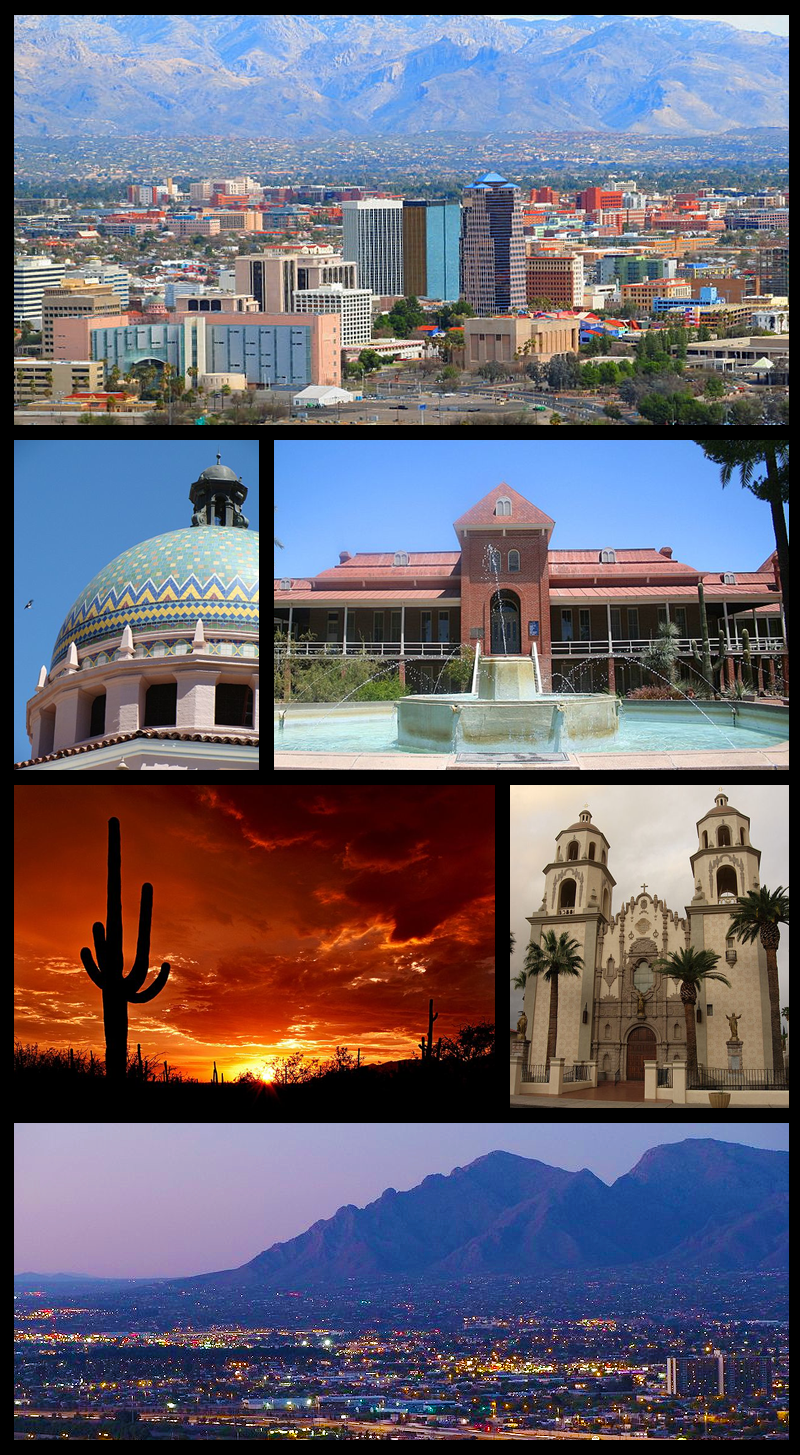




Geography and climate
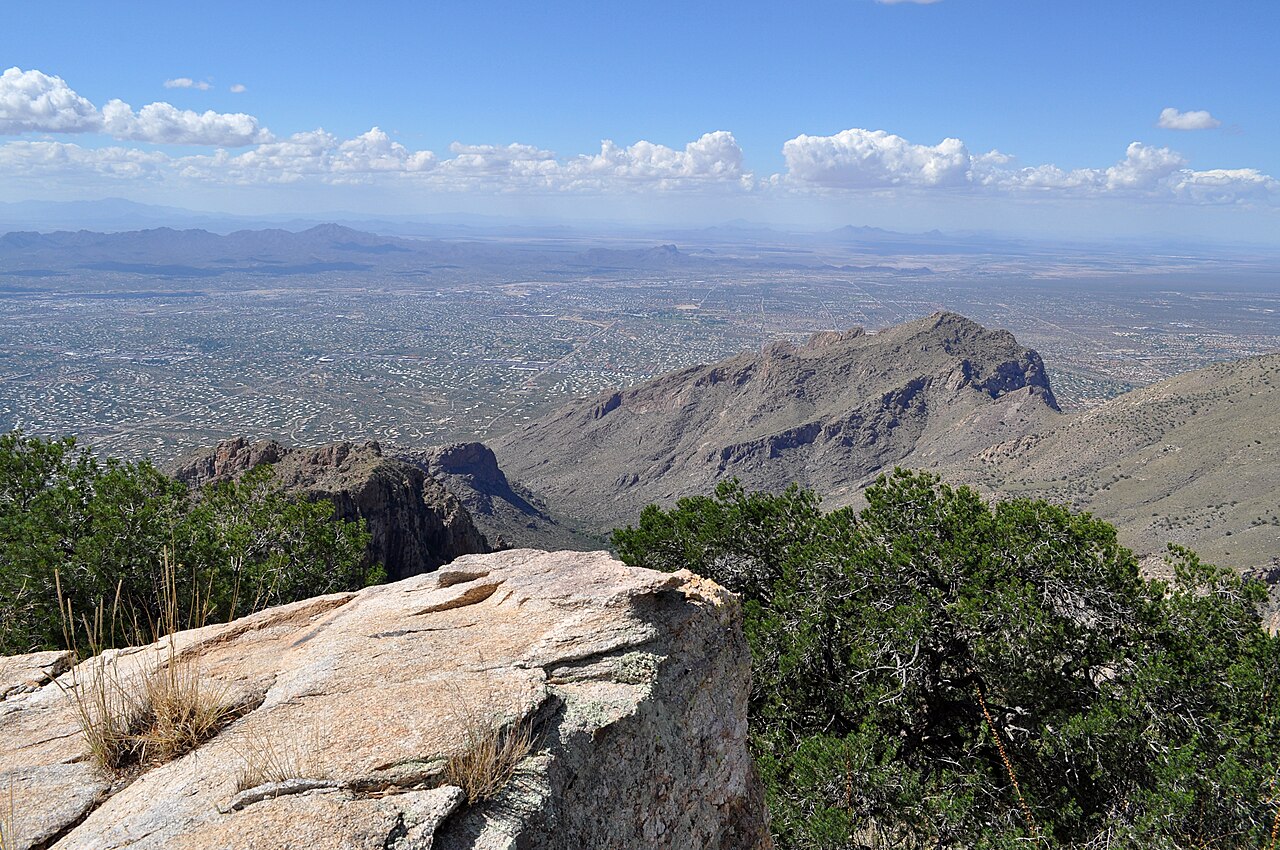
The city sits at an average elevation of about 2,400 feet above sea level and is framed by mountain ranges, including the Santa Catalina and Rincon Mountains. Tucson is approximately 118 miles southeast of Phoenix and around 60 miles north of the border with Mexico. The region is part of the Sonoran Desert, characterized by iconic saguaro cacti and a diverse desert flora and fauna. Tucson has an arid climate with very hot summers and relatively mild winters. A distinct summer monsoon season typically develops in mid-June and can last into late September, bringing brief but sometimes intense thunderstorms and a change in humidity; more on regional weather patterns can be found here.
History and development
The Tucson area has been inhabited for thousands of years by Native American peoples and later saw Spanish colonial settlement and mission-building. It passed from Spanish to Mexican control, and became part of the United States in the mid-19th century. Growth accelerated with the arrival of railroads, agriculture fed by irrigation, and later military installations. The University of Arizona, founded in the late 19th century, helped establish Tucson as a center for higher education and research.
Culture, attractions and events
Tucson blends Indigenous, Spanish, Mexican and Anglo-American influences in its food, festivals and architecture. The city hosts major cultural events such as a large annual gem and mineral show and numerous arts festivals. Notable sites include the University of Arizona campus, Saguaro National Park, Mission San Xavier del Bac and historic districts with preserved adobe and Victorian buildings. Tucson was designated a UNESCO City of Gastronomy in recognition of its food traditions rooted in Sonoran Desert agriculture and cross-border culinary exchange.
Economy and institutions
Key sectors in Tucson’s economy include education, health care, defense and research. The University of Arizona is a major employer and research hub, particularly in fields like astronomy, optics and space science. The presence of military bases and aerospace firms supports engineering and manufacturing jobs, while tourism and outdoor recreation contribute significantly to the local economy.
Notable facts and contemporary concerns
- Tucson is noted for its desert biodiversity and opportunities for hiking, birdwatching and stargazing.
- The city has been the scene of nationally reported events that shaped public attention and debate in recent decades.
- Like many Southwestern communities, Tucson faces water management and sustainable growth challenges as climate variability and population pressures continue.
For civic information, travel planning and local resources consult official and visitor sites maintained by the city and county, or explore general United States resources here.
Related articles
Author
AlegsaOnline.com Tucson, Arizona Leandro Alegsa
URL: https://en.alegsaonline.com/art/101944