
Silvio Berlusconi: Italian media magnate and three‑time prime minister
Overview of Silvio Berlusconi (1936–2023): businessman, founder of Forza Italia, three‑time Italian prime minister, media owner, European Parliament member, and central figure in legal and political controversies.
Overview
Silvio Berlusconi (29 September 1936 – 12 June 2023) was an Italian entrepreneur and politician who dominated Italy's media landscape and mainstream centre‑right politics for several decades. Best known as the founder and leader of the Forza Italia party, he served three terms as head of government (first taking office in 1994) and later represented Italian voters in the European Parliament. A polarising figure, he combined business success with sustained political influence and numerous public controversies.
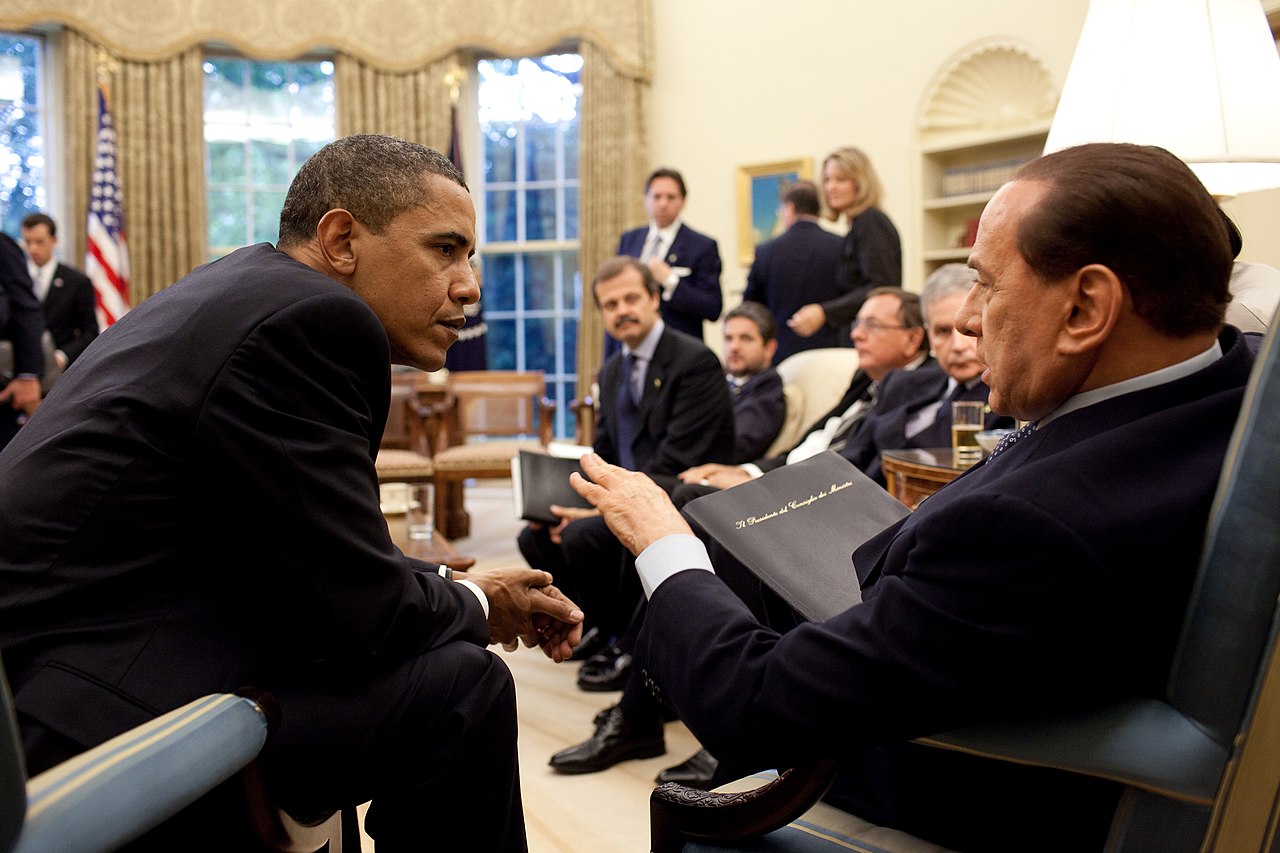
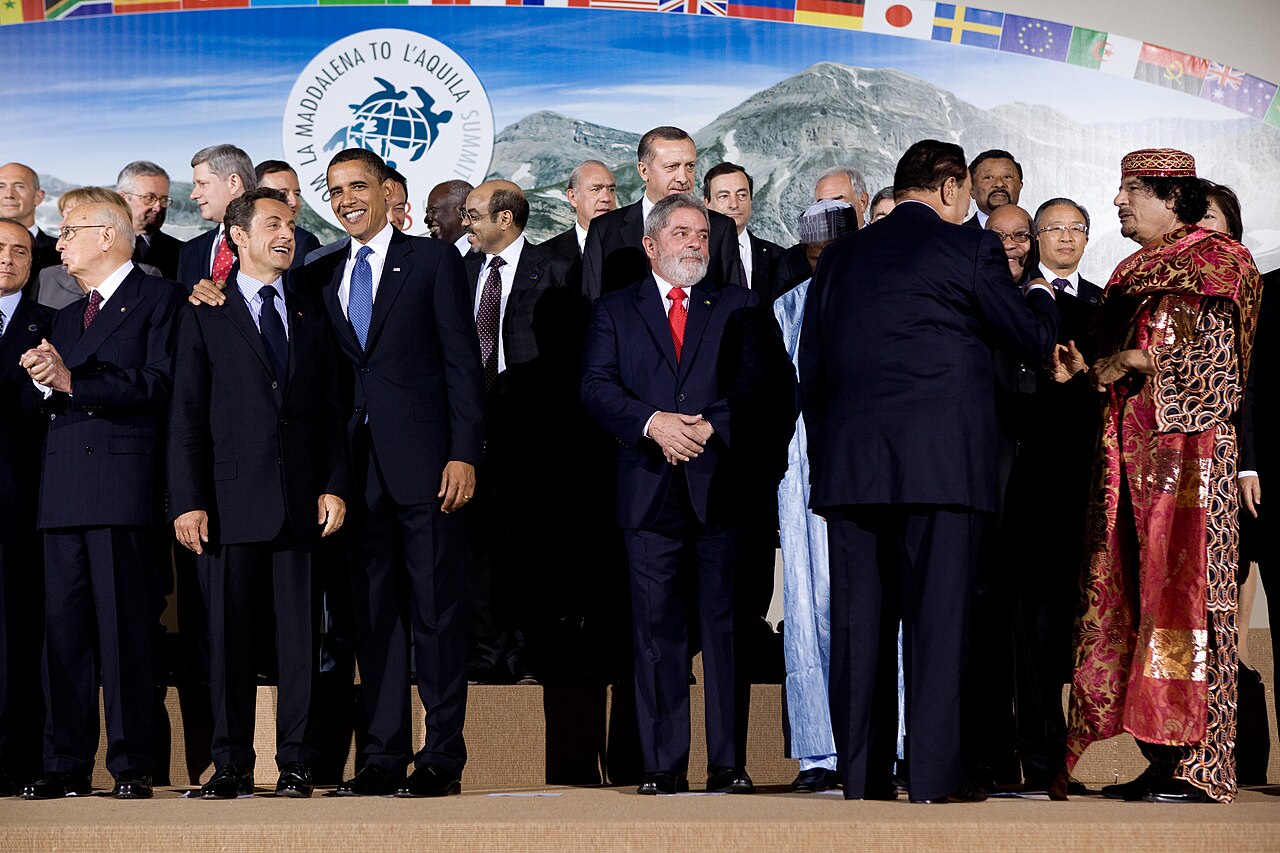
Image gallery
10 Images





Business interests and public image
Berlusconi rose from a regional entrepreneur in Milan to become the owner of a major private television network, a publishing group and financial concerns. His media group Mediaset, the publishing house Mondadori and banking investments gave him unprecedented reach into broadcasting, print and finance in Italy. This concentration of media and commercial power shaped public perceptions of his persona and politics and fed debates about conflicts of interest and media pluralism.
Political career
Entering politics in the early 1990s, Berlusconi created the Forza Italia movement and led centre‑right coalitions. He served as Prime Minister in 1994–1995, 2001–2006 and 2008–2011. As a political newcomer who became premier without prior ministerial office, his leadership marked a shift toward personality‑driven electoral campaigning and coalition politics. He also served as a Member of the European Parliament, first between 1999 and 2001 and again after his election in 2019; more information on his European role is available through the European Parliament records archive.
Major events and controversies
- Premierships: three separate administrations, marked by tax, labour and media policy initiatives as well as frequent clashes with judges and political opponents; see summaries of each cabinet for specifics Prime Ministerial terms.
- Legal troubles: over his career Berlusconi faced a series of criminal prosecutions and civil suits, including cases involving tax irregularities (tax fraud) and allegations of improper dealings with public contracts or officials (corruption). He was convicted in a high‑profile tax case in 2012; parts of the resulting penalties were reduced or substituted with alternative measures because of legal provisions for older defendants.
- Sex scandal: an investigation commonly referred to as "Rubygate" involved charges that he paid for sex with a minor and abused his office to secure her release from police custody. A conviction in this matter was later overturned on appeal.
Wealth, influence and public health
Berlusconi was widely described as a billionaire whose wealth derived from broadcasting, publishing and financial assets; various estimates placed his net worth in the billions, and one commonly cited estimate in 2020 put it at approximately US$6.3 billion (estimate). His ability to blend entrepreneurial activity with active politics made him an emblematic case in debates over media ownership and democratic accountability.
Like many public figures, he faced personal health challenges late in life. During the global coronavirus pandemic, he tested positive for COVID‑19 in September 2020 and was hospitalised with pneumonia before being discharged. He died on 12 June 2023 after a prolonged illness; Italian institutions and media noted his long and contentious influence on national life.
Legacy and distinctions
Berlusconi's legacy is contested. Supporters credit him with modernising political communication, promoting a pro‑business agenda and reshaping Italy's centre‑right. Critics point to persistent conflicts of interest, repeated legal cases and a style of leadership that prioritized personality and media spectacle. Academics and commentators continue to study his impact on Italian institutions, media ecosystems and European centre‑right politics.
For further reading and primary documents, consult contemporary press archives and institutional biographies hosted by national and European records (official chronicles) and other public repositories.
Author
AlegsaOnline.com Silvio Berlusconi: Italian media magnate and three‑time prime minister Leandro Alegsa
URL: https://en.alegsaonline.com/art/130933