
Prime Minister of Italy (President of the Council of Ministers)
Head of Italy's government, officially the President of the Council of Ministers. Leads the Cabinet, directs policy, coordinates ministers, and represents the executive before Parliament and internationally.
Overview
The prime minister of Italy, officially the President of the Council of Ministers (Italian: Presidente del Consiglio dei Ministri), is the head of the national government. The office directs the executive branch, chairs the Council of Ministers (the Cabinet), and sets government policy priorities. The prime minister is distinct from the head of state, who in Italy is the President of the Republic.
Image gallery
10 Images


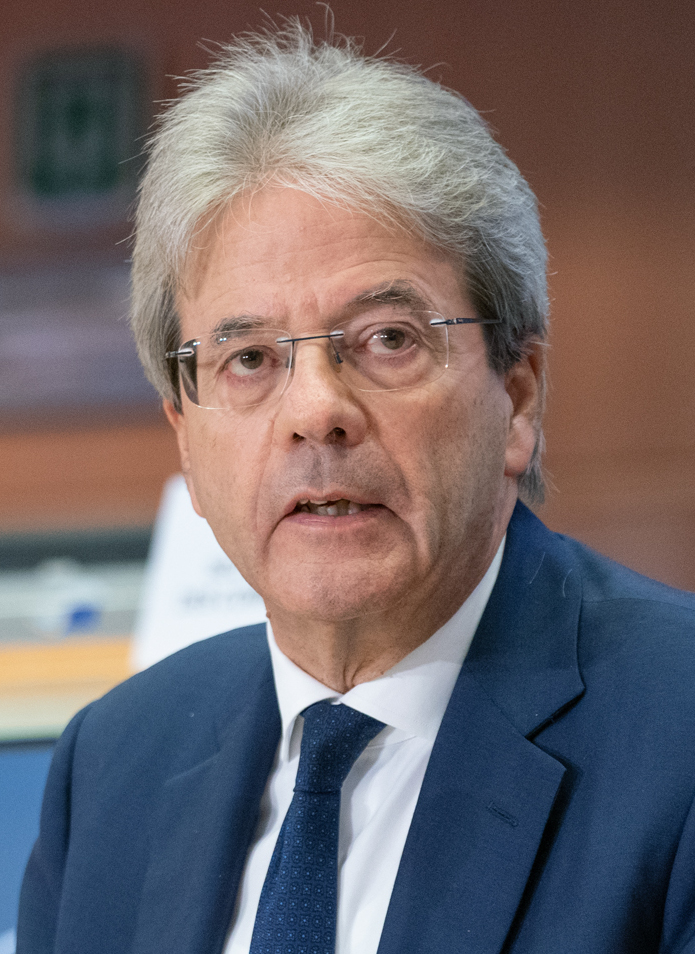

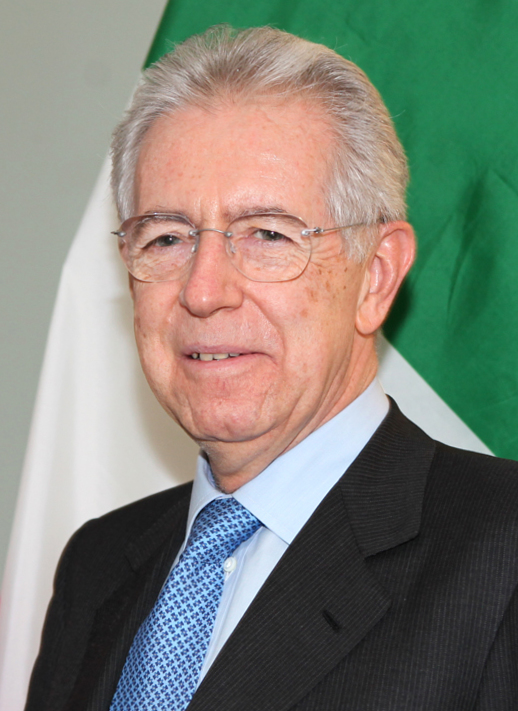
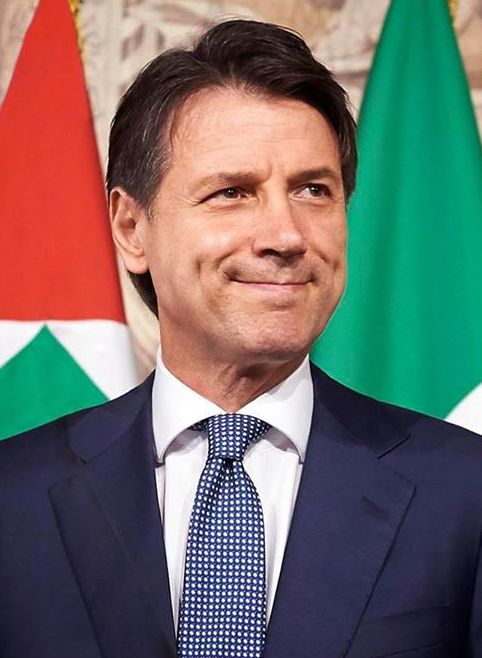
Appointment and relationship with other institutions
The prime minister is appointed by the President of the Republic and must enjoy the confidence of Parliament to govern. While there is no fixed term, the government remains in office only so long as it retains parliamentary support. The prime minister proposes ministers and coordinates their work but shares collective responsibility with the Cabinet.
Typical powers and responsibilities
- Forming and directing the government's policy agenda.
- Proposing ministerial appointments to the President of the Republic.
- Chairing Cabinet meetings and ensuring coordination among ministries.
- Representing the government before Parliament and in foreign relations.
- Responding to votes of confidence and managing coalition agreements in multi-party settings.
History and development
The office evolved after Italian unification in the 19th century and was reshaped by political changes during the 20th century, including the fascist period and the post‑war republican constitution. The modern role reflects a balance between executive leadership and parliamentary accountability, influenced by Italy's multi-party system and frequent coalition governments.
Role in practice and notable features
In practice, the effectiveness of a prime minister often depends on party strength, coalition cohesion, and relations with the President of the Republic and Parliament. Italy's political landscape commonly produces coalition governments, which can limit unilateral action but encourage negotiation and compromise. The official workplace and residence associated with the office is Palazzo Chigi in Rome.
Further information
For official documents and current institutional details visit the government site: Italian government. The office remains central to setting policy direction and coordinating Italy's executive functions within a parliamentary framework.
Related articles
Author
AlegsaOnline.com Prime Minister of Italy (President of the Council of Ministers) Leandro Alegsa
URL: https://en.alegsaonline.com/art/79069