
Bookstore: purpose, types, history and cultural role
A bookstore is a retail place that sells books and related items. This article explains types, layout, historical development, social functions, and distinctions from libraries and online sellers.
A bookstore is a retail business that offers physical copies of books for purchase. Beyond simple transactions, bookstores often serve as local cultural hubs where customers browse, get recommendations from staff, and sometimes attend readings or community events. They range from small independent shops to large chains and online-only sellers.
Image gallery
10 Images


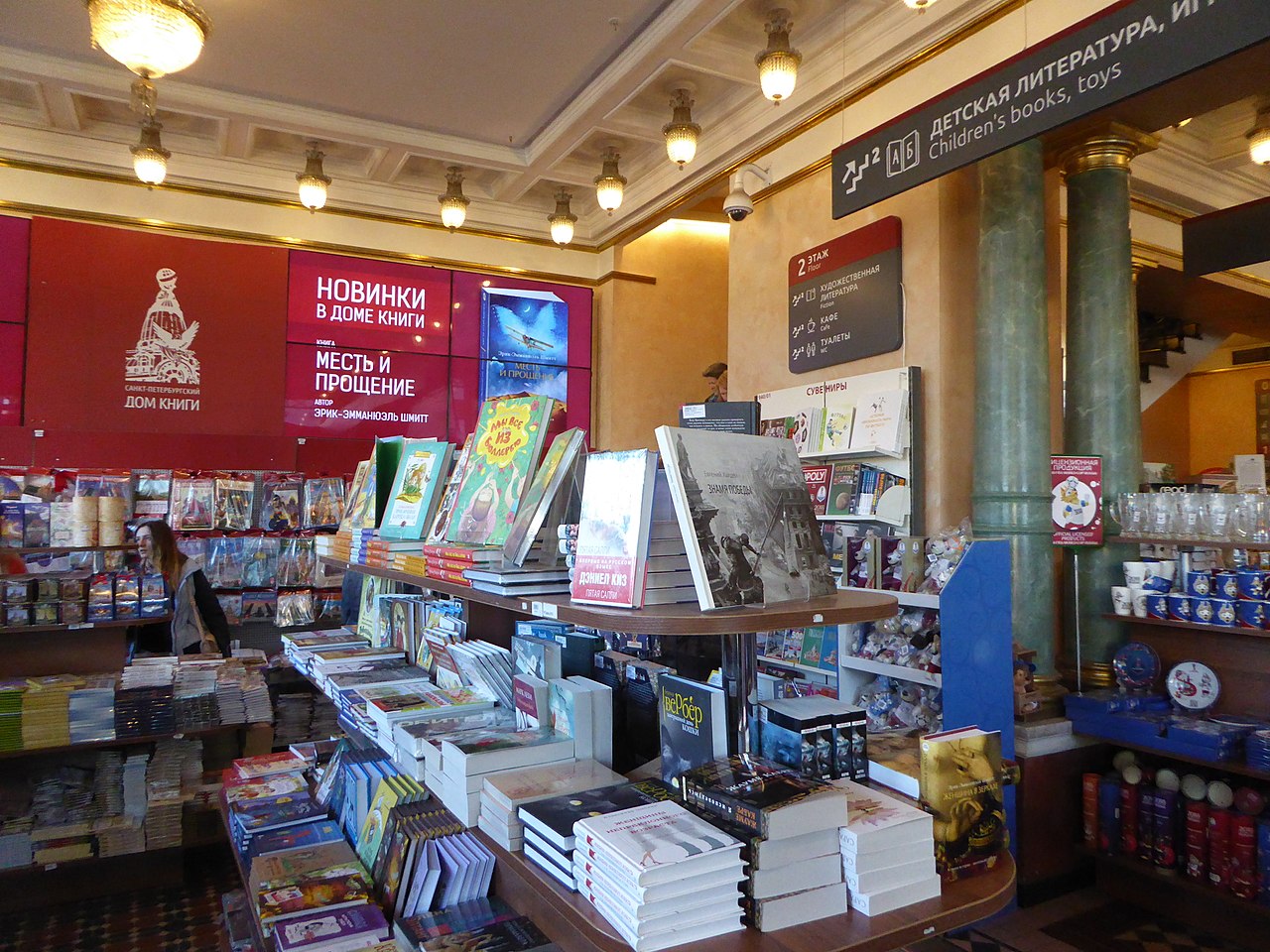




Characteristics and common features
Most bookstores organize titles by subject, genre, author, or publisher and maintain an inventory that may include new releases, bestsellers, academic texts, and children’s literature. Typical features include shelving and display areas, checkout counters, online catalogs, and increasingly, areas for reading or coffee. Staff may provide specialized services such as ordering out-of-print titles, sourcing rare books, or recommending selections.
- Independent bookstores: locally owned, often curated selections.
- Chain bookstores: national or regional retailers with standardized formats.
- Used/second-hand shops: buy and resell pre-owned books.
- Specialist stores: focus on particular subjects, languages, or collectors’ items.
History and development
Bookselling is ancient and evolved alongside the production of written materials. From itinerant sellers and medieval bookbinders to the emergence of printed books after the 15th century, places that sold books adapted as printing and literacy spread. Industrial printing and mass publishing expanded retail bookstores in the 19th and 20th centuries. More recently, digital retail and e-books have challenged traditional models, prompting many stores to diversify services and emphasize in-person experiences.
Uses, importance and examples
Bookstores contribute to literacy, education, and local economies. They host author readings, signings, discussion groups, and children’s story hours that encourage reading and community interaction. Academic and specialty bookstores support professional and scholarly communities by stocking niche or technical works often not readily available elsewhere.
Unlike libraries, bookstores sell copies rather than lend them, and often focus on curated inventories and commercial viability. Many stores complement sales with online catalogs, mail order, and social media outreach to reach wider audiences. Despite market pressures, bookstores remain valued for curation, personal service, and the tactile experience of browsing physical books.
Related articles
Author
AlegsaOnline.com Bookstore: purpose, types, history and cultural role Leandro Alegsa
URL: https://en.alegsaonline.com/art/13011